The Sanchar Saathi episode, which hurt Govt and nation, was avoidable

The controversy surrounding the government’s directions to smartphone makers to pre-install the Sanchar Saathi app on mobile phones is unfortunate. It underlines the slapdash manner in which critical matters are deliberated upon and important decisions made in the government. Right from the beginning of the affair on December 1, it had all the ingredients to make a political storm, which it did.
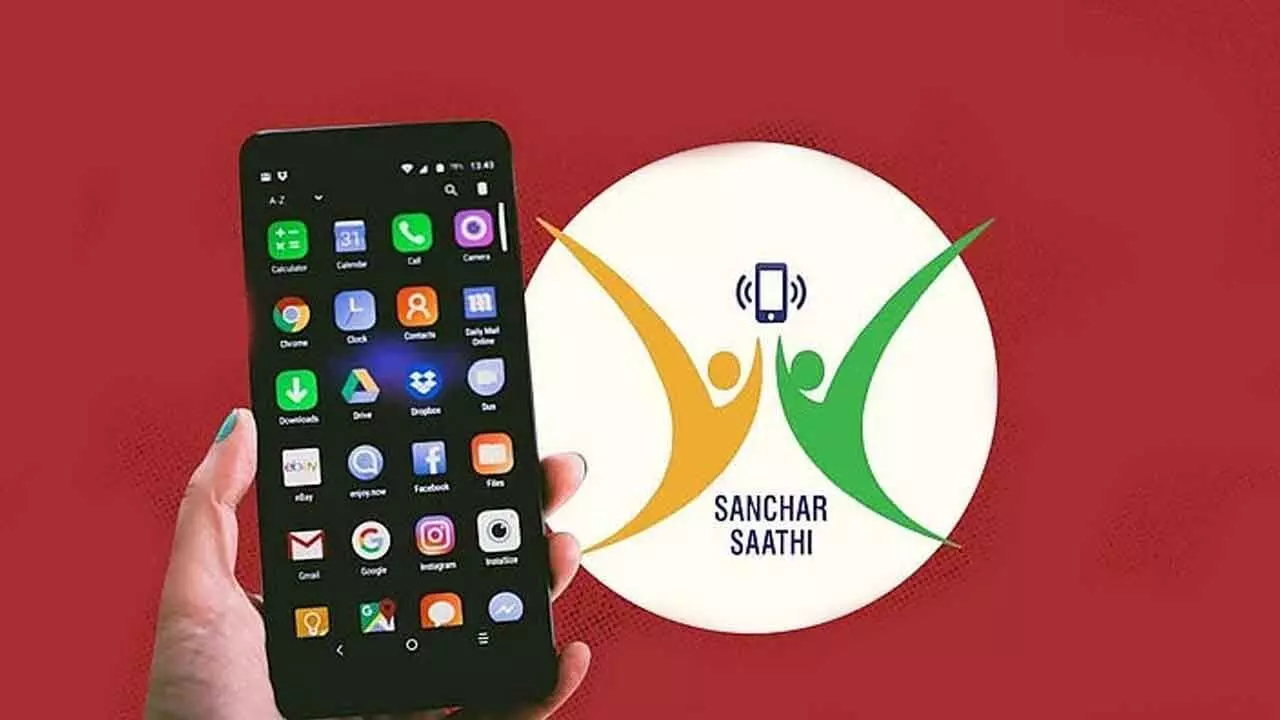
The government tries to appear as the saviour of the man in the street. So, on December 1, the Department of Telecom (DoT) said it wanted “to safeguard the citizens from buying the non-genuine handsets, enabling easy reporting of suspected misuse of telecom resources and to increase effectiveness of the Sanchar Saathi initiative.” DoT developed Sanchar Saathi in May 2023 to help people check the connections registered on their names, report fraudulent or unrequired connections, block the mobile phones which are stolen or lost, and check IMEI genuineness before buying a mobile phone.
An official press release on that day said that “the DoT has issued Directions dated 28.11.2025 mandating the manufacturer and importers of mobile handsets that are intended for use in India under the provisions of the Telecom Cyber Security” (italics added). Merriam-Webster describes the word ‘mandate’ as ‘an authoritative command.’ So, there is no ambiguity regarding the government announcement on December 1: it did order mobile handset makers and importers to “ensure that the Sanchar Saathi mobile application is pre-installed on all mobile handsets manufactured or imported for use in India.”
They were also told to mandatorily “ensure that the pre-installed Sanchar Saathi application is readily visible and accessible to the end users at the time of first use or device setup and that its functionalities are not disabled or restricted.” Also, “for all such devices that have been already been manufactured and are in sales channels in India, the manufacturer and importers of mobile handsets shall make an endeavour to push the App through software updates.”
Unfortunately, these decisions were made and announced without taking into account a few facts: that India is a democracy and there is a vociferous, albeit weak, Opposition; that
the record of the Narendra Modi regime is not exactly sterling on civil liberties and democratic rights; that the manufacturers may be reluctant to follow the Indian government’s orders. Unsurprisingly, several Opposition leaders alleged that the move was “dystopian”; they accused the government of creating a tool for “snooping” on citizens.
With the Pegasus episode fresh in public memory, Opposition leaders hauled the government over the coals. Senior Congress leader K.C. Venugopal said the move is “beyond unconstitutional.” He tweeted, “Big Brother cannot watch us. The Right to Privacy is an intrinsic part of the fundamental right to life and liberty, enshrined in Article 21 of the Constitution.”
Chastened by the reaction of the Opposition and others, the government was forced to retreat. A day after his Ministry claimed that the installation of the app was mandatory and could not be deleted, Telecom Minister Jyotiraditya Scindia said that it was not so. “If you want to delete the app, you can, it is not mandatory.”
By then, however, damage was done not just to the government but also to the nation. The episode may have strengthened the impression of global investors that the Indian policy environment is unpredictable and often erratic.