From rejections to resets: What to do if your student's U.S. visa is denied

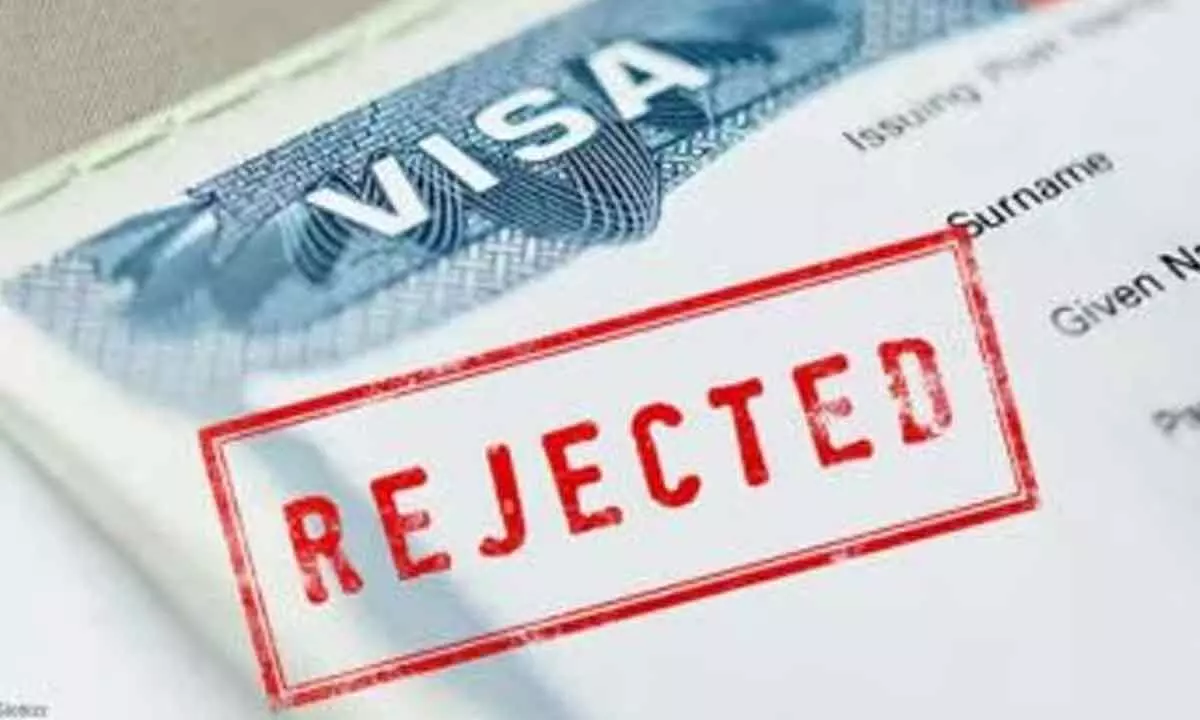
For a lot of Indian students, the U.S. isn’t just another study destination. It’s a chance to learn from some of the best, to be part of world-class research, and to build a career that stretches far beyond home. But for many, that journey stalls right at the finish line - the visa interview. A refusal of a student visa might be like having a door slammed, after so much planning, receiving university offers. But it does not indicate the end of your studies; rather, it is a sign to stop, accept what did not work, and then plan the next step with an easy mind.
Understand the Why: Decoding 214(b)
Most visa refusals for students come under Section 214(b) of the U.S. Immigration and Nationality Act. In plain terms, it means the visa officer wasn’t convinced you’d return after your studies. It’s less about your grades or the prestige of your university, and more about how convincingly you can show intent and that you have strong ties back home.
Sometimes students hurt their own case without realising it. Maybe the answers in the interview were too generic, maybe the financial proof wasn’t solid enough, or maybe it sounded too scripted. Even a brilliant academic record won’t help if your future plans seem vague or disconnected from India. If you’re denied, think back to the conversation. Which questions did the officer press on? Did your documents back up your story? This honest review is where a stronger application begins.
Don’t Rush the Reapply
After you have faced a rejection, your instinct might be to book another visa interview as early as possible. But you should not do that. If your application or approach stays exactly the same, chances are the result will too. Go back to your DS-160 form and sharpen your answers so they clearly spell out your study plans and how they connect to what you want to do in the future. If finances were a concern, present updated statements or better documentation of family assets. Show real, tangible connections to India; family commitments, property, or a confirmed job opportunity.
When you do reapply, treat the interview as the deciding factor. Be ready to explain - why you’ve chosen your course, why you’re going now, and why your plans bring you back to India.
Look at Other Routes
A visa refusal doesn’t cancel your admission. Many U.S. universities let students defer to a later intake. That extra time can work in your favour; you can gain work experience, improve your academic profile, or even take up short-term courses that make your application stronger.
Some students begin their studies in places like Canada, the UK, or Australia, and then make their way to the U.S. later for higher studies. This does not indicate giving up - it’s just taking a different route to keep your dream alive.
Looking at the Bigger Picture in Mind
It’s normal to feel low after a visa refusal, but it’s not the end of your story. Plenty of bright, capable students have been in the same spot. A career is a long journey - missing one intake or even a year won’t change what you’re capable of. In fact, that time can be put to good use: learning something new, building your profile, or simply preparing a stronger case for next time. Setbacks happen to everyone. The real choice is whether you let them stop you or use them as a push to come back even stronger. The decision on which it will be is entirely yours.
(The author is Founder & CEO Infinite Group)