Nurturing minds and hearts: The role of social-emotional learning in schools

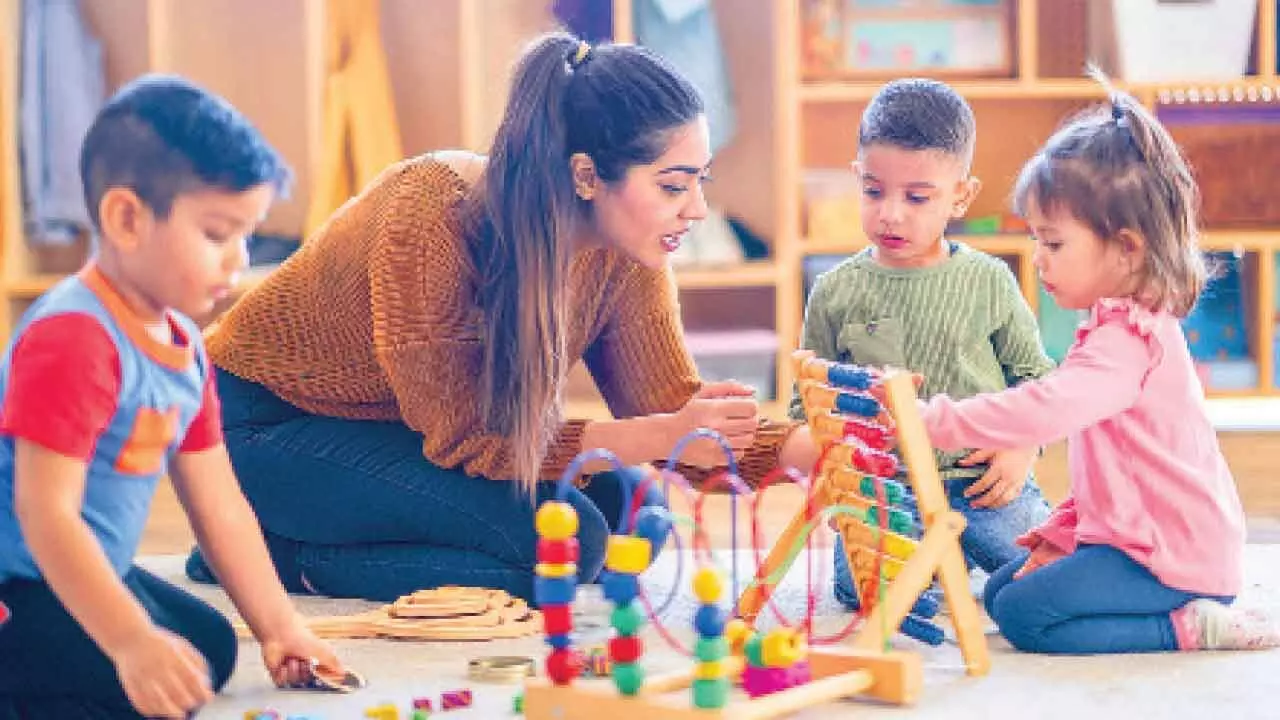
In today’s fast-changing world, academic achievement alone is not enough to prepare students for success. Social-Emotional Learning (SEL) equips young learners with vital skills such as empathy, resilience, communication, and responsible decision-making. By fostering emotional intelligence alongside academics, SEL helps students manage stress, build healthy relationships, and adapt to challenges. For schools, integrating SEL into everyday teaching not only improves academic performance but also strengthens mental well-being and prepares students for future careers. A holistic approach that combines knowledge with emotional growth can empower the next generation to thrive both in classrooms and in life
In the dynamic landscape of Indian education, there is a growing recognition of the need to go beyond traditional academics and focus on the overall development of students. Social-Emotional Learning (SEL) emerges as a pivotal component in this journey, essential for preparing students to navigate the complexities of today’s world with empathy, resilience, and confidence.
SEL encompasses a range of skills that are crucial for personal and academic success. These include self-awareness, self-management, social awareness, relationship skills, and responsible decision-making. In India, where educational pressures can be intense and diverse socio-economic backgrounds shape student experiences, SEL provides a structured approach to nurturing emotional intelligence and interpersonal competencies.
The Importance of SEL in Indian Schools
1. Academic achievement and beyond
Research indicates that integrating SEL into school curricula enhances academic performance. Students who are emotionally and socially competent are better equipped to focus on learning, manage stress effectively, and collaborate with peers and teachers.
This contributes to improved overall academic outcomes and prepares students for higher education and careers.
2. Fostering mental health and well-being
In recent years, there has been a growing concern about the mental health of students in India. SEL programs help in developing coping mechanisms, resilience, and emotional regulation skills, which are crucial for maintaining positive mental health. This is particularly significant given the competitive nature of the Indian education system and societal pressures on young learners.
3. Equipping for future challenges
As India strives to prepare its youth for a rapidly changing global economy, SEL plays a critical role in developing essential life skills. Skills such as communication, teamwork, adaptability, and conflict resolution are integral to SEL and are increasingly valued by employers. Integrating SEL into education, schools can ensure that students not only excel academically but also possess the interpersonal skills necessary for success in diverse professional environments.
Implementing SEL: Challenges and strategies
1. Teacher training and capacity building
One of the key challenges in implementing SEL in Indian schools is the need for comprehensive teacher training. Educators must be equipped with the knowledge and tools to effectively teach SEL skills and create supportive classroom environments. Continuous professional development programs can help address this gap and empower teachers to integrate SEL seamlessly into their teaching practices.
2. Curriculum integration and assessment
To ensure the sustainability of SEL initiatives, it is essential to integrate SEL into existing curriculum frameworks and educational policies.
This includes developing age-appropriate SEL standards, incorporating SEL activities into daily classroom routines, and establishing methods for assessing SEL competencies. Aligning SEL with national educational goals can foster widespread adoption and support from stakeholders.
3. Community engagement and support
Successful SEL implementation also relies on collaboration with parents, caregivers, and the broader community. Engaging families in understanding the importance of SEL and providing resources for reinforcing SEL skills at home strengthens the impact of SEL interventions. Community partnerships can further enrich SEL programs by offering additional resources and opportunities for students to apply their skills outside of school.
Integrating Social-Emotional Learning into the Indian education system is not just beneficial but imperative for nurturing well-rounded individuals capable of contributing positively to society.
Prioritising SEL alongside academic learning, schools can foster a generation of students who are not only academically proficient but also emotionally intelligent, resilient, and empathetic. This holistic approach to education aligns with India’s aspirations for inclusive growth and development, ensuring that every child has the opportunity to thrive and succeed in an increasingly interconnected world.
As India continues its journey towards educational reform, embracing Social-Emotional Learning will undoubtedly pave the way for a more compassionate and capable future workforce and citizenry.
(The author is Principal of KIIT World School, Gurugram)