Dharwad cemetery land dispute ends

Owner donates a portion of the 4-acre 15 gunta plot for cremation ground, plans underway for a residential layout on the remaining land parcel
A week-long dispute over a historic cremation ground in Dharwad’s Kamalapur area has finally reached a peaceful settlement, bringing relief to residents and the district administration. The conflict, which had escalated into tense stand-offs between locals and the landowner, revolved around Survey No. 78/2 — a 4-acre 15-gunta plot used for over 300 years as a cremation site by residents of Kamalapur, Malapur, Narayanpur, Patreshwar Nagar and Maratha Galli.
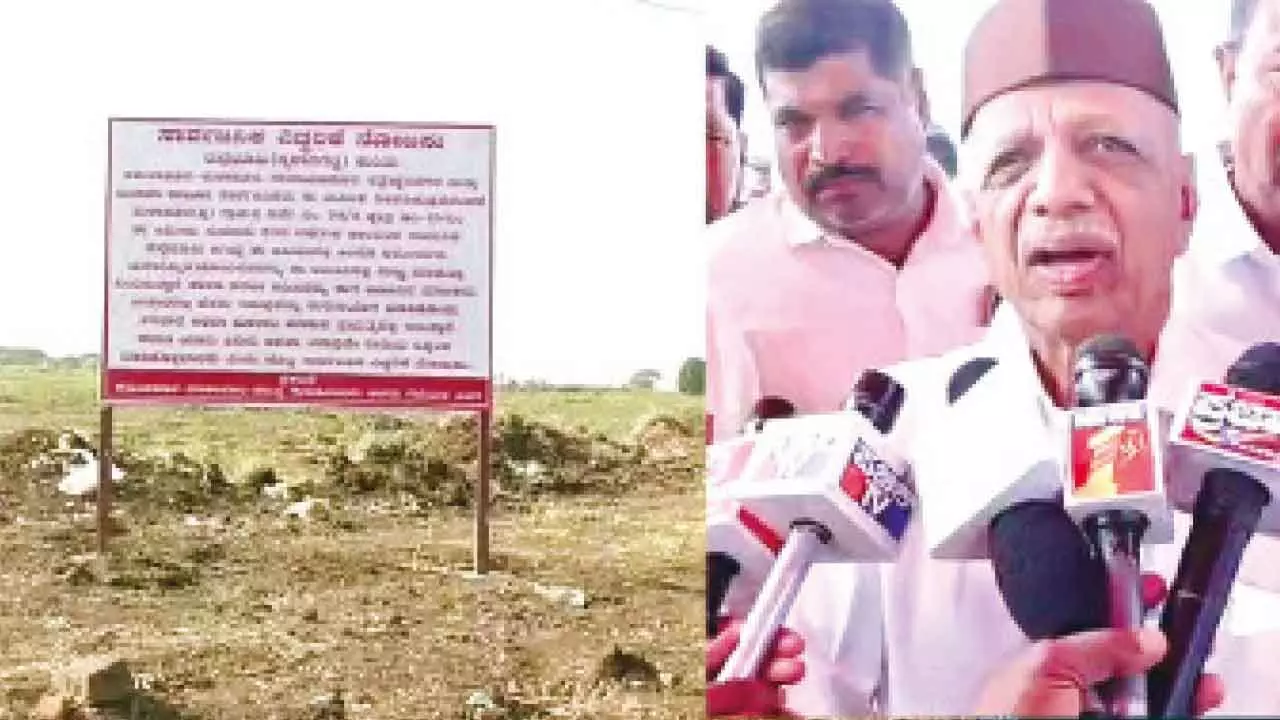
The land, owned by Mallikarjunayya Hiremath Rapati, had recently become a point of contention after the owner explored the possibility of developing a residential layout. With land prices in the area soaring to nearly Rs 3 crore per acre, the move sparked strong opposition from local communities who feared the loss of their only traditional cremation ground. Residents staged protests, erected warning boards urging people not to purchase plots from the proposed layout and demanded that the land be permanently reserved as a Rudrabhoomi. The issue soon grew into an administrative concern for Dharwad authorities. In a decisive meeting involving local residents, revenue officials and the landowner, Rapati agreed to donate 1 acre 15 guntas from the disputed land exclusively for use as a cremation ground. His decision effectively defused the ongoing tensions and paved the way for a formal resolution.
Expressing gratitude, residents said the donation preserved centuries-old customs and safeguarded community interests. Revenue officials also thanked the landowner for resolving the matter amicably. Rapati has formally requested the Dharwad Tahsildar to begin the legal process for transferring the donated land to the municipal corporation. Officials confirmed that procedures will commence immediately to officially designate the area as a public cremation ground.
Local leaders noted that while the soaring land value initially made negotiations difficult, sustained community pressure ultimately helped secure an outcome acceptable to all stakeholders.