Eyewitness Files Complaint Over Illegal Burial Practices As Police Records Destruction Sparks Mass Burial Investigation

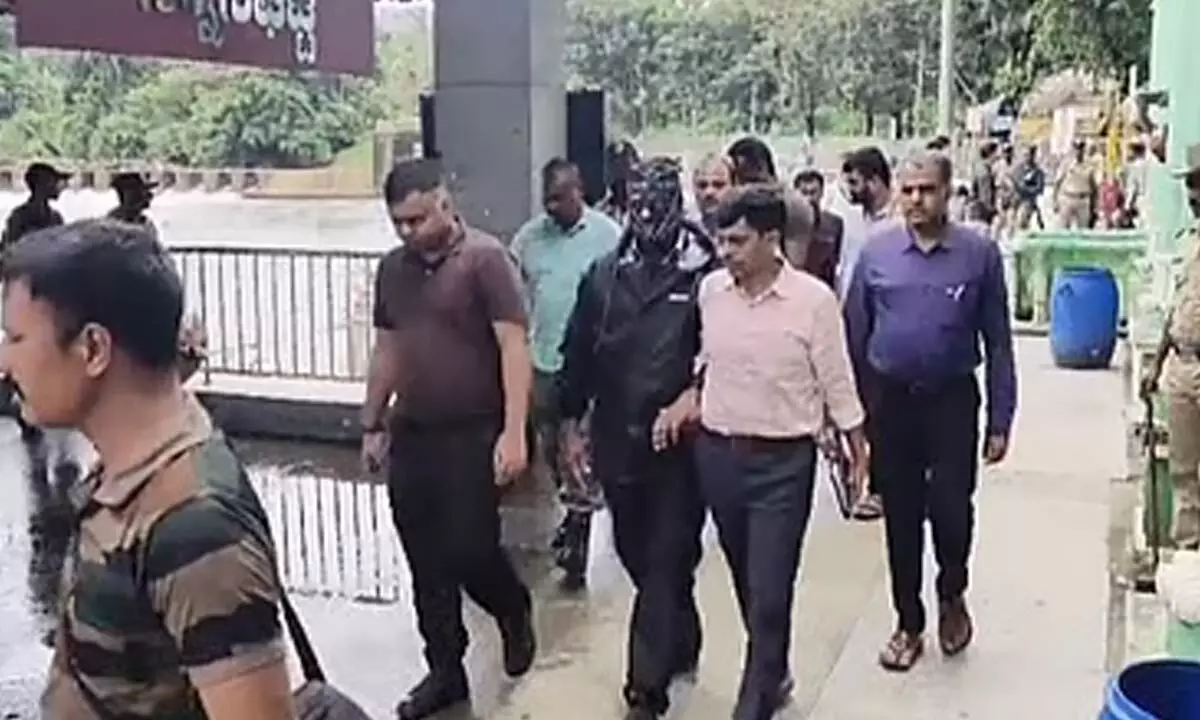
RTI activist files formal complaint with SIT over witnessing illegal burial of young girl in Karnataka's Belthangady, amid revelations of destroyed police death records from 2000-2015.
Fresh controversy has erupted in Karnataka's Belthangady district following startling revelations about the systematic destruction of police death records and new eyewitness testimony of illegal burial practices. An RTI activist has now filed a formal complaint with the Special Investigation Team, claiming to have personally witnessed the improper burial of a young girl's body, describing the incident as treating her remains "like one would bury a dog."
The development comes after Right to Information documents revealed that Belthangady police deliberately deleted all entries from their Unnatural Death Register covering the period from 2000 to 2015. This timeframe coincides directly with allegations of mass burials in the temple town of Dharmasthala, located within the same administrative jurisdiction.
RTI activist Jayanth, who has been investigating police conduct for years, submitted his complaint to the SIT on August 2nd. He claims to have witnessed the illegal burial firsthand and has named all officials who were present during the incident. According to Jayanth, proper legal procedures were completely ignored when the young girl's body was discovered and buried.
The activist explained that his decision to come forward was motivated by the appointment of what he considers honest officers to the investigation. He stated that the disturbing scene had haunted him for years, and he had previously promised to reveal the truth once trustworthy investigators took charge of the case.
In his earlier RTI requests to Belthangady Police Station, Jayanth had sought records of missing persons complaints along with accompanying photographs. The police response was deeply concerning - they claimed that all such documentation, including postmortem reports, wall posters, notices, and photographs used to identify unidentified bodies, had been destroyed under routine administrative procedures.
The activist has raised critical questions about the destruction of such vital records in the digital age. He argues that in today's technological environment, it is inconceivable that such important data would be destroyed without first being digitized and backed up. This raises serious concerns about who might be influencing such decisions and what they might be trying to conceal.
The implications of this record destruction are particularly troubling when considering future identification efforts. If skeletal remains are discovered, authorities would be unable to match them against any existing records since the relevant documentation has been eliminated. This systematic erasure of evidence suggests a deliberate attempt to obstruct potential investigations.
The Belthangady Police's admission of destroying crucial records has intensified scrutiny of their handling of unidentified death cases. The destroyed documents covered the exact period during which a whistleblower has alleged that mass burials occurred in Dharmasthala. According to these allegations, between 1998 and 2014, the whistleblower was forced to bury and cremate bodies of women and minors, many of whom allegedly showed signs of sexual assault.
The police's justification for destroying these records as part of "routine administrative orders" has been met with skepticism and outrage. Critics argue that such sensitive documentation should be preserved indefinitely, particularly given the serious nature of unidentified death cases and the potential for future investigations.
The SIT is expected to register a formal FIR based on Jayanth's complaint and may soon initiate exhumation proceedings to investigate the alleged illegal burials. This development marks a significant escalation in what has become one of Karnataka's most controversial cases involving alleged systematic cover-ups and destruction of evidence.
The case has broader implications for police accountability and record-keeping practices across the state. It raises fundamental questions about how law enforcement agencies handle sensitive cases involving unidentified deaths and what safeguards exist to prevent the destruction of crucial evidence.
As the investigation proceeds, public attention remains focused on whether authorities will be able to uncover the truth despite the systematic destruction of records. The case highlights the critical importance of RTI activism in exposing potential misconduct and the need for transparent, accountable policing practices in handling sensitive criminal matters.