Karnataka Proposes First-of-its-Kind Scientific Buffer Zone Reforms Based on Waterbody Size

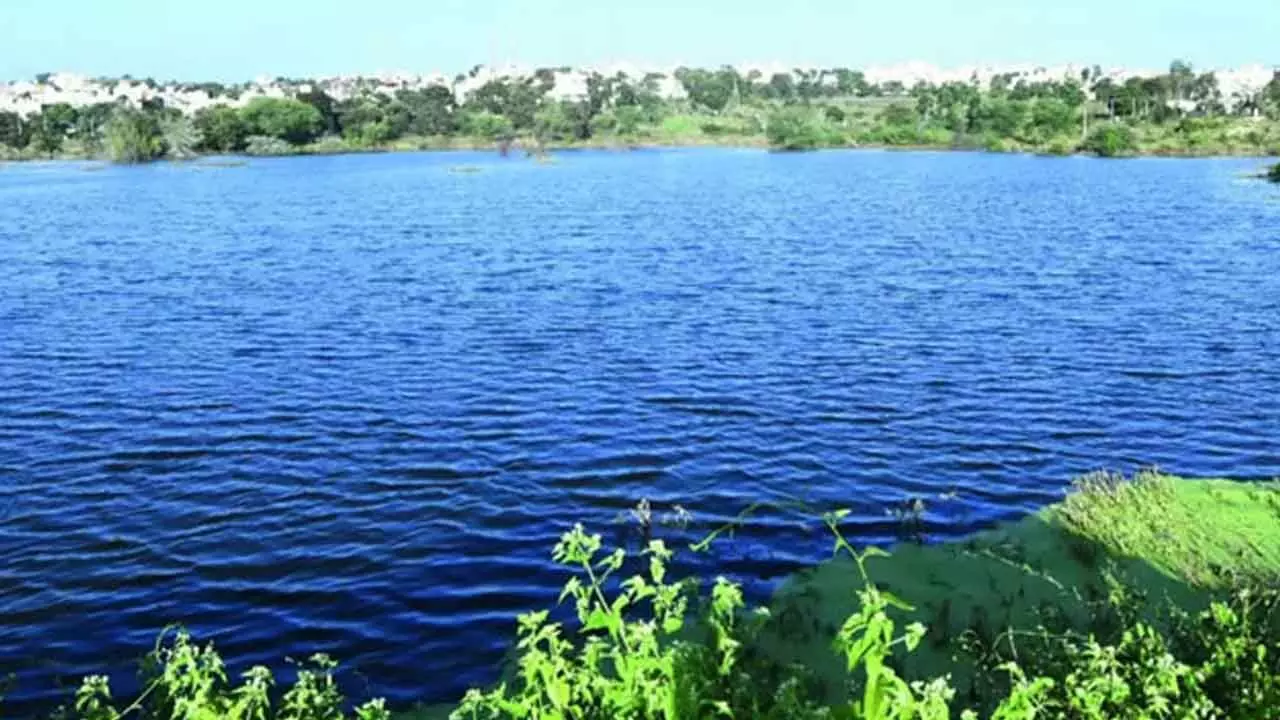
Bengaluru: In a first for the country, the Karnataka Tank Conservation and Development Authority (KTCDA) has proposed a scientific overhaul of buffer zone regulations, tailoring them to the size of lakes and tanks across the state. The proposed modifications are based on a comprehensive study of national practices and are aimed at balancing environmental protection with developmental needs.
The buffer zone norms in Karnataka were earlier based on a 2016 National Green Tribunal (NGT) order and a 2019 Supreme Court directive, which mandated uniform 30-metre zones around lakes. However, the state government, responding to concerns from MLAs and district officials—especially from Udupi and Kundapura—initiated a review. Critics argued that the blanket regulation was impractical for small waterbodies, some under one acre in size.
Following high-level meetings chaired by the Deputy Chief Minister and Chief Minister, a committee headed by the Chief Secretary studied national best practices. The proposed tiered buffer zones are:
Up to 5 guntas: 0 metres
Above 5 guntas to 1 acre: 3 metres
Above 1 to 10 acres: 6 metres
Above 10 to 25 acres: 12 metres
Above 25 to 100 acres: 24 metres
Above 100 acres: 30 metres
KTCDA officials said the plan considers both environmental concerns and public utility needs. Historically, tank bunds have doubled as village roads. “We’ve ensured these revised buffers allow critical infrastructure like drinking water lines, electric cables, lift irrigation pump houses, and sewage treatment plants without disturbing water flow or reducing storage,” an official explained.
In contrast to Karnataka’s proposed approach, states like Gujarat maintain a uniform 9-metre buffer, while Tamil Nadu mandates just 3 metres. Telangana uses a size-based bifurcation but without such gradation.
The proposal also revises nala (drainage channel) buffer zones—now 15 metres for primary nalas, 10 metres for secondary, and 5 metres for tertiary—after findings revealed earlier buffers were larger than the nalas themselves.
The reform does not open buffer zones for real estate development. Instead, it aims to enhance urban resilience through better infrastructure while maintaining ecological integrity. It also facilitates decentralised sewage treatment near lakes to prevent pollution and supports uninterrupted hydrological flow.
Officials emphasised that the modified rules are designed to serve public interest, prevent urban flooding, and scientifically manage over 41,000 tanks across Karnataka, ranging from tiny village ponds to sprawling reservoirs. (eom)