Key demands of red sandstone quarry associations’ fulfilled


Royalty Slashed, Licence Tenure Extended
In a significant relief to red sandstone (kempu kallu) quarry operators in Dakshina Kannada and surrounding districts, the government has approved all three major demands put forth by local associations. The decision, announced after deliberations at the state level, paves the way for streamlined licensing and renewal processes, enabling any eligible individual or group to legally engage in red sandstone extraction and trade.
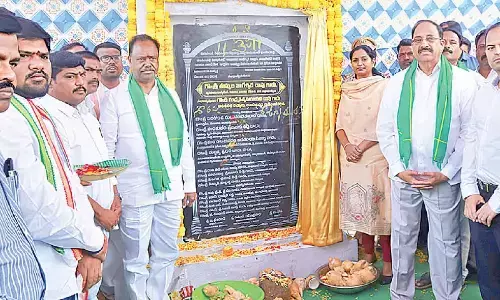
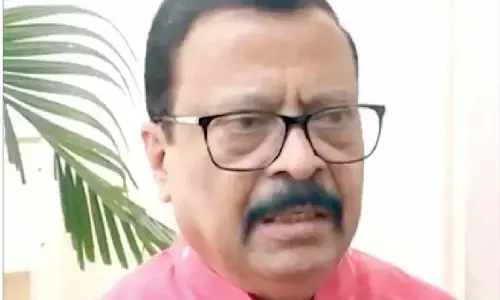
Local MLA Ashok Kumar Rai confirmed the developments during a meeting with association representatives in Puttur. “The government has addressed the longstanding concerns that were causing confusion among stakeholders. With these changes, anyone can obtain a license and conduct red sandstone business without undue hurdles,” Rai stated.
The approvals come amid growing demand for the material in construction and infrastructure projects across the region. The primary demand centred on reducing the royalty rate, which was a major financial burden for small-scale operators. Previously set at ₹245 per tonne, the rate has now been lowered to ₹100 per tonne—a 59% cut—making the trade more viable for local entrepreneurs. This adjustment is expected to boost compliance and reduce illegal mining, a persistent issue in the coastal belt.
The second key concession extends the license validity from six months to one year. Earlier, the short tenure was imposed to mitigate environmental risks, such as the formation of deep pits leading to accidents during prolonged earth excavation. While associations had sought a two-year extension citing operational efficiencies, the government opted for a balanced one-year period to balance safety with economic needs. This change will cut down on frequent renewals and associated administrative costs.The third demand, granting permission for extraction without a No Objection Certificate (NOC) from the Agriculture Department, has also been met. Previously, the NOC requirement delayed operations and added bureaucratic layers, particularly for non-agricultural lands. Removing this stipulation will expedite approvals and encourage formal participation in the sector. Association leaders hailed the move as a “game-changer” for over 500 families dependent on red sandstone livelihoods in Puttur taluk alone. However, officials emphasised that all activities must adhere to environmental norms, with regular inspections to prevent over-exploitation.
New licences and renewals will commence immediately through the Mines and Geology Department. This policy shift aligns with the state’s push for sustainable mining while supporting rural economies. As implementation begins, stakeholders anticipate a surge in registered operations, potentially generating additional revenue for the exchequer through formalised taxation.