Mahasivaratri gaining attention as a night of health and inner balance

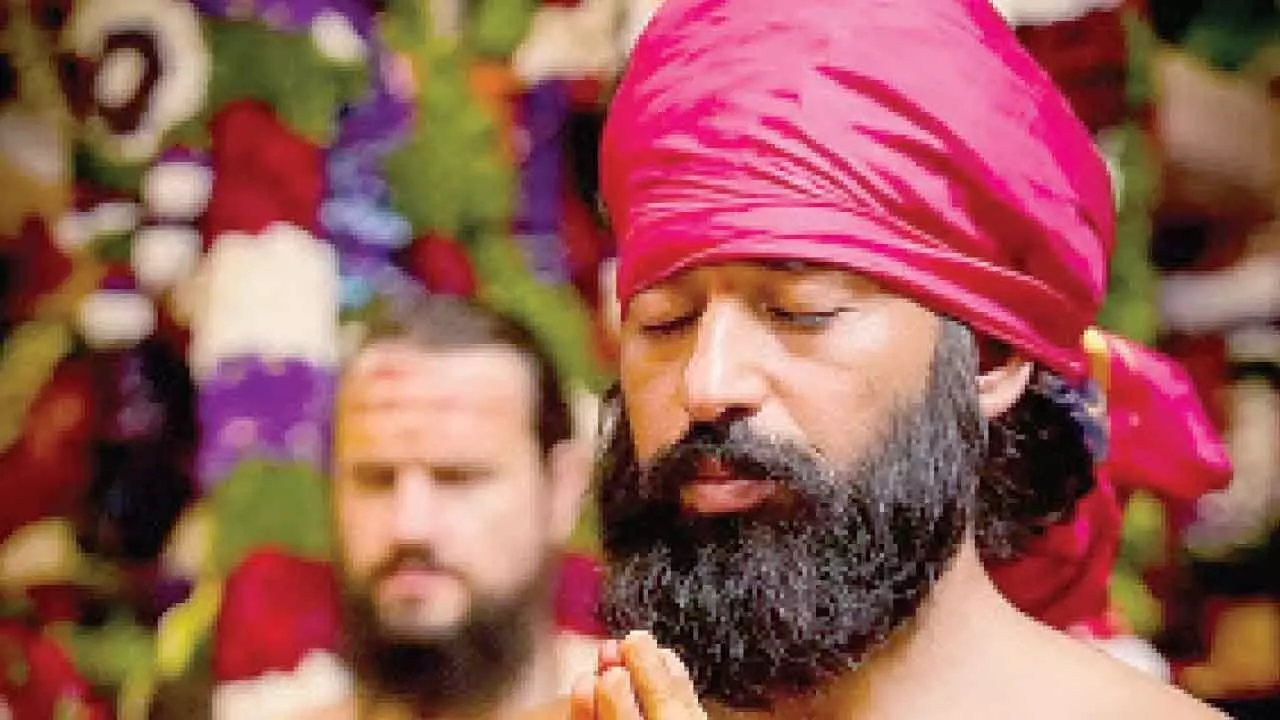
Mahasivaratri, traditionally observed as a religious festival across India, is increasingly being understood from a scientific and wellness perspective. Experts in yogic sciences describe the night as a natural opportunity for mental calmness, nervous system regulation and overall physiological balance.
According to Himalayan Siddhaa Akshar, Mahashivratri occurs at a unique phase of the lunar cycle just before the new moon—when planetary and gravitational influences subtly affect the human system. “During this period, the body and mind naturally turn inward. This supports stability, emotional balance and improved self-regulation,” he explains.
Human health depends largely on rhythm. Sleep cycles, hormonal functions, breathing patterns and neural activity all operate in a synchronized manner. Modern lifestyles filled with stress, irregular schedules and constant stimulation often disturb these rhythms, leading to anxiety, fatigue and reduced resilience. Mahasivaratri, within Himalayan yogic traditions, is considered an ideal time for the body to reorganise itself without external stimulation. “The night encourages stillness and awareness rather than excitement.
This helps the system recalibrate naturally,” Akshar says. Practices associated with the occasion emphasise conscious wakefulness, upright posture and controlled breathing. These are believed to positively influence the spine, which acts as the central axis of the nervous system. Remaining alert and upright through the night is said to enhance mental clarity and reduce inner agitation. Sound-based practices also play a major role. Traditional Sanskrit chants and mantras are used not for their meaning alone but for their vibrational impact.
“When sound, breath and posture function together, the nervous system moves toward coherence and calmness,” he adds. Unlike many modern wellness trends that depend on intense physical effort, Mahasivaratri practices focus on alignment and inner stability.
The benefits, experts say, extend beyond a single night, supporting better focus, emotional control and stress management in daily life. With growing global interest in circadian health and holistic wellbeing, Mahasivaratri is slowly being recognised not just as a spiritual observance but also as a time-tested framework for restoring internal balance through rhythm and awareness.