Mysuru to host country’s first full-fledged silk museum

Tender process underway, venue to be ready by 2027
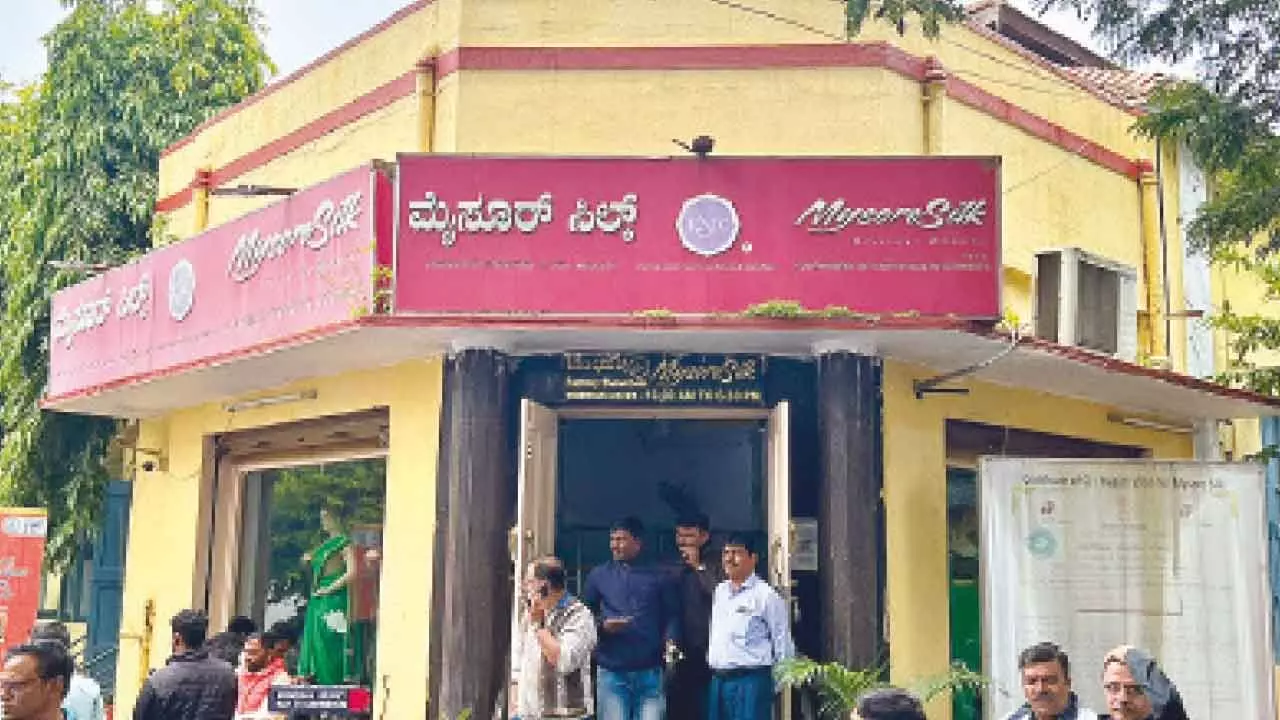
The heritage city of Mysuru, known worldwide for its famous Mysore Silk, is set to house the country’s first full-fledged silk museum. The Union government has approved the proposal, and the tender process for the project has already begun. Officials said preliminary works, including funding approvals and planning formalities, have been completed, marking a significant milestone for the region’s textile legacy.
For over 75 years, Mysuru Silk has maintained its distinct identity and reputation across India. The origins of Mysuru’s silk journey trace back to the era of the Mysore Maharajas, who established a silk research and training institute to promote sericulture. The initiative later inspired the Union government to set up silk units across several states, with Mysuru serving as the sector’s historical foundation.
The upcoming museum will be built on a 2-5 acre site on the outskirts of Mysuru, and officials expect construction to be completed within two years. According to Dr. Naresh Babu, Joint Secretary of the Central Silk Board, the facility will be the country’s first comprehensive silk museum, despite Odisha hosting a small museum attached to a silk unit.
He explained, “This museum will showcase the complete history of India’s silk industry, the evolution of saree weaving, and the traditional processes behind silk production. It will also boost tourism in Mysuru. Along with the museum, a Center of Excellence will also be established.” The museum will feature historical exhibits, including silk heritage from the era of Tipu Sultan. It will also demonstrate various stages of sericulture — from silkworm rearing and cocoon formation to weaving and dyeing.
Officials from the Central Silk Board have already visited silk museums in China and Italy to study international models. Dr. S. Mantrira Moorthy, Director of the National Silkworm Seed Organisation, said efforts are underway to collect culturally significant artifacts from silk-producing states and farmers across India. Textile expert Shubhasanje Arasu noted that the project will significantly enhance tourism and strengthen the global branding of Mysore Silk. “Visitors will learn how Mysore Silk sarees are made, which will further increase their demand. This museum will greatly benefit silk growers,” she added.
Sericulture plays a crucial economic role in Karnataka, with production active in Mysuru, Mandya, Chamarajanagar, Bengaluru Rural, Ramanagara, Chikkaballapur and Kolar. Karnataka contributes 32% of India’s total silk output, with over 1.48 lakh farmers engaged in cocoon cultivation. Farmer leaders believe the museum will bring greater visibility to traditional silk-growing communities and encourage further expansion of sericulture across the Old Mysuru region.