Chia Seeds vs Sabja Seeds: Which Superfood Aids Faster Weight Loss?

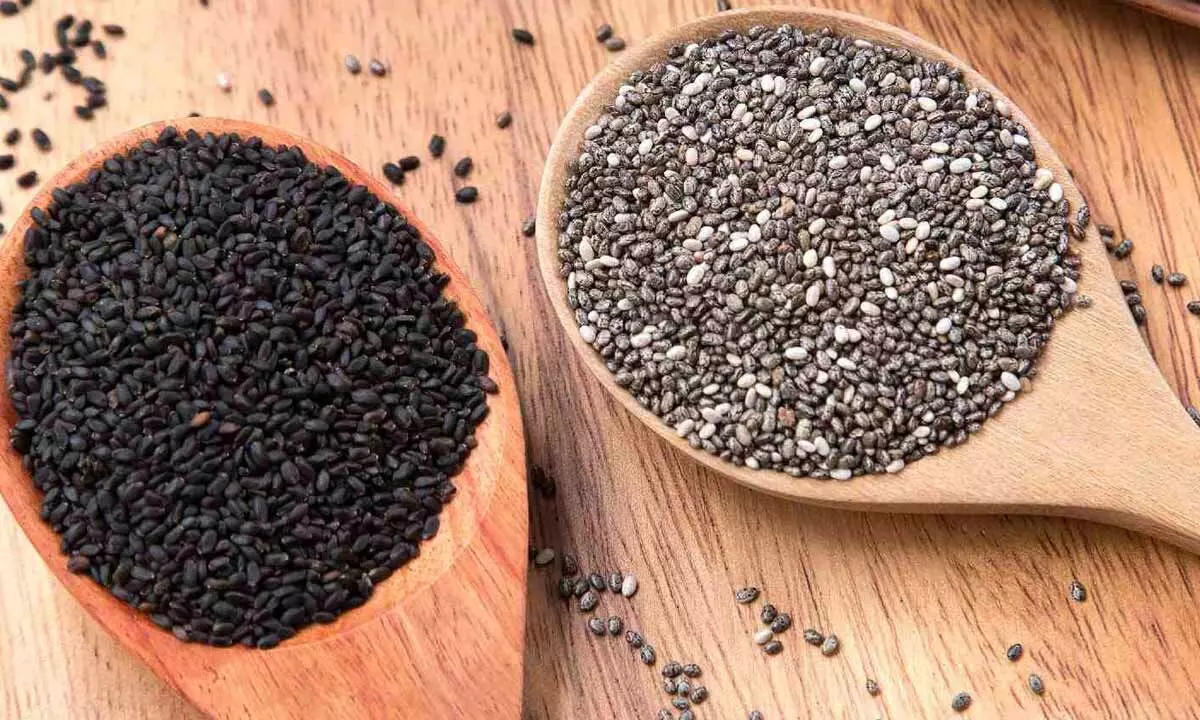
Chia and sabja seeds both promote weight loss through satiety, hydration, and nutrition, but each offers distinct benefits for different needs.
Superfoods have long been celebrated for their ability to provide dense nutrition with relatively low calories. They not only fuel the body with essential vitamins, minerals, and antioxidants but also help manage appetite, boost metabolism, and improve digestion. Among the many nutrient-rich options, two tiny seeds—chia and sabja (basil seeds)—have captured attention as natural allies in weight management. Both are loaded with fibre and healthy fats, but their weight-loss advantages differ in key ways.
Chia Seeds: Fibre and Protein Powerhouse
Chia seeds are small, black or white seeds packed with nutrients. They are rich in fibre, protein, omega-3 fatty acids, and antioxidants. One of their unique features is their ability to absorb nearly 10 times their weight in water, forming a gel-like texture when soaked.
This gel not only promotes hydration but also creates a feeling of fullness, which helps reduce overall calorie intake. Chia seeds also stand out for their higher protein content, which supports muscle maintenance and metabolic health—two critical aspects of any effective weight-loss plan. With a stronger omega-3 profile than many other seeds, chia offers added benefits for heart health and inflammation management.
Sabja Seeds: Low-Calorie Hydration Boost
Sabja seeds, also known as basil seeds, are another excellent choice for those aiming to shed weight. These seeds are calorie-light compared to chia, meaning you can consume a larger volume without significantly increasing calorie intake.
Sabja seeds also swell when soaked in water, forming a jelly-like coating. This makes them excellent for bulking up meals, creating satiety, and supporting digestion. Their high water-absorption capacity enhances hydration, while their detoxifying properties further support gut health and metabolism.
Which Is Better for Weight Loss?
When comparing the two, chia seeds may have a slight edge because of their superior protein, fibre, and omega-3 levels, all of which help improve satiety and metabolic balance. However, sabja seeds should not be underestimated—they are lighter in calories, refreshing, and provide excellent hydration.
Ultimately, the choice depends on individual preferences and dietary needs. Those looking for higher protein and nutrient density may benefit more from chia seeds, while those seeking a lighter, refreshing option might prefer sabja seeds. Including both in moderation could also be a balanced approach.
Things to Keep in Mind
While both chia and sabja seeds are generally safe, overconsumption may lead to digestive discomfort such as bloating or constipation due to their high fibre content. To avoid such issues, it is best to soak the seeds before consumption and eat them in moderate amounts. Chia seeds also contain phytic acid, which can reduce mineral absorption when consumed excessively, making portion control important.
Both chia and sabja seeds can be valuable additions to a weight-loss diet. They work differently but complement each other well—chia with its nutrient density and sabja with its light, hydrating profile. The best choice ultimately comes down to your body’s needs and lifestyle goals.