Adverse Impact of Screen Brightness and Contrast on Eye Health

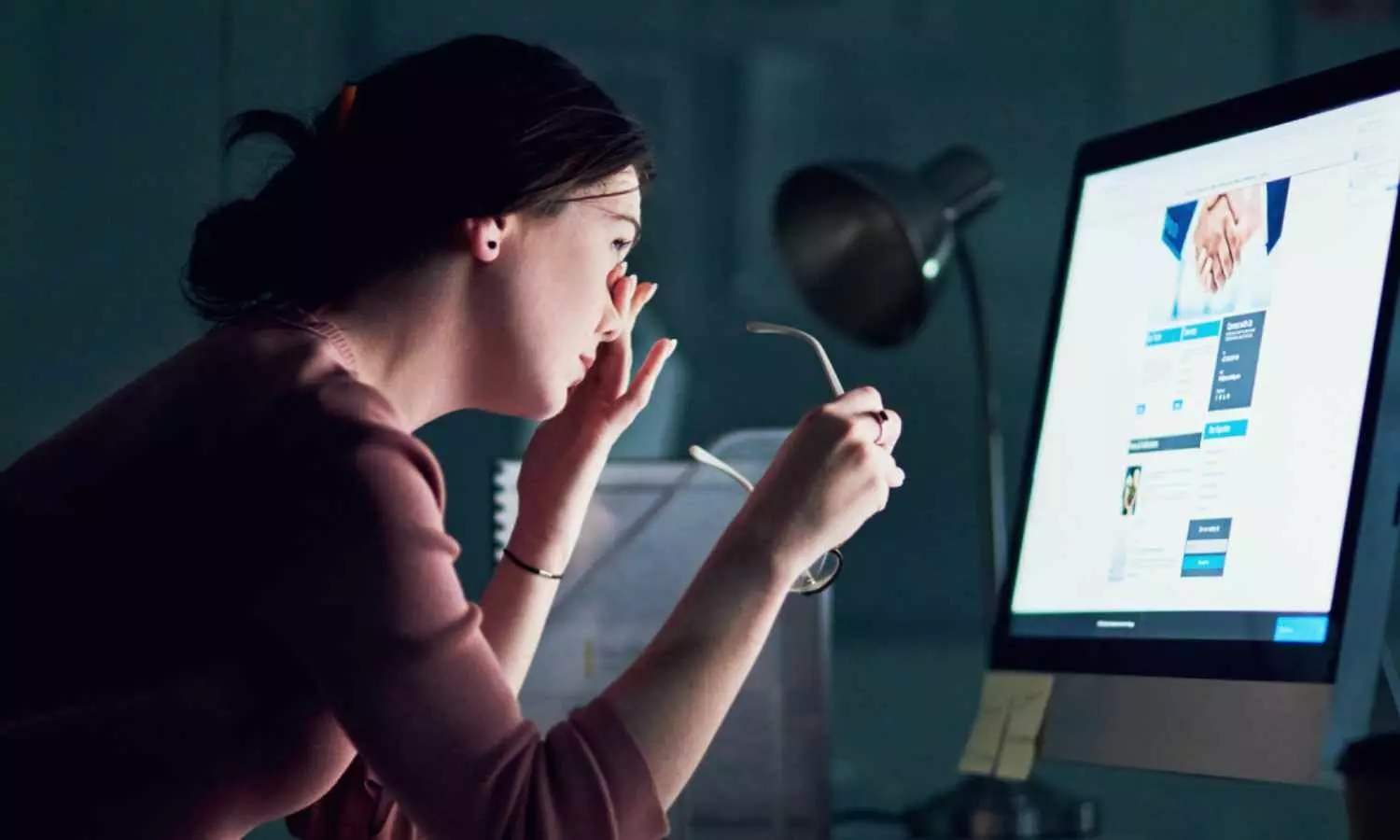
Learn why eye health is crucial and how screen brightness and contrast impact eye strain. Understand about common eye-related diseases caused by digital screens and get expert tips to protect your vision from harmful strain.
Why is Eye Health Important?
Eyes are the most important and beautiful organ of our body. It allows us to perceive and interact with the world around us. We can’t think of ourselves without eyes. In today’s modern world humans can’t live without digital screens. They play an essential role in everyone's life but despite their necessity, it is important for us to maintain a balance and take precautionary steps when using a digital screen to protect our eyes from harmful strain.
Kids and Adults use digital screens extensively in poor lighting conditions and unknowingly with improper screen settings which contributes to various eye problems. These eye related issues generate many long term implications and negatively impact our quality of life.. In this article we will deep dive on how brightness and contrast adversely affect our eyes and lead to various eye related diseases. We will also share some useful tips with our readers to protect their beautiful eyes from these harmful strains.
How Brightness and Contrast Affect Eye Strain?
Screen brightness and contrast are two important factors that impact eye strain. When the brightness and the contrast settings are not optimized, they cause significant discomfort and potential long-term damage. Here’s how they affect our eyes:
1. Impact of Screen Brightness
- Excessive bright screens create glare which leads to discomfort and increased strain on the eyes. Glare forces the eyes to work harder to focus on the content which results in fatigue and dryness.
- Conversely, a screen that is too dim makes it difficult to read or view content, especially in a well-lit room. This forces the eyes to strain and focus more than usual, increasing the risk of headaches and blurred vision.
- Rapid changes in brightness, such as moving from a dark room to a bright screen, can be jarring to the eyes. Over time, this can lead to sensitivity and discomfort, making it difficult to adjust to varying lighting conditions.
2. Role of Screen Contrast
- A high contrast setting (such as white text on a black background) can make reading easier, but extreme contrast differences can cause discomfort over time. This is because the eyes have to constantly adjust between light and dark areas.
- Low contrast settings, where text and background colors are too similar, make it difficult to distinguish content. This can lead to squinting and excessive focus, resulting in fatigue and discomfort.
- Digital screens emit blue light, which can cause digital eye strain. Reducing blue light exposure through contrast adjustments or blue light filters can help mitigate its harmful effects.
Optimizing screen settings by adjusting brightness and contrast according to ambient lighting conditions can significantly reduce eye strain. Using features like dark mode, night mode, and screen filters can also contribute to better visual comfort.
Various Diseases Related to Eye Strain
Chronic exposure to improper screen settings can lead to several eye-related diseases and disorders. Here are some common conditions associated with excessive screen use:
1. Digital Eye Strain (Computer Vision Syndrome - CVS)
One of the most common issues caused by prolonged screen use is Digital Eye Strain, also known as Computer Vision Syndrome (CVS). Symptoms include:
- Dry, irritated eyes
- Blurred vision
- Headaches
- Neck and shoulder pain
- Difficulty focusing
Excessive exposure to screens without proper breaks, incorrect brightness levels, and poor contrast settings leads to CVS. Regular screen breaks and adjusting settings can help mitigate its effects.
2. Dry Eye Syndrome
Staring at screens for extended periods reduces the blink rate, leading to dry eye syndrome. Symptoms include:
- Redness and irritation
- Burning sensation
- Light sensitivity
- Watery eyes due to overcompensation
Using artificial tears, increasing blink frequency, and reducing screen brightness can help alleviate dry eye symptoms.
3. Myopia (Nearsightedness)
Excessive screen use, especially at a young age, has been linked to an increased risk of myopia. Myopia causes difficulty in seeing distant objects clearly. Studies suggest that prolonged exposure to screens with improper brightness settings can contribute to its progression.
4. Sleep Disorders
Exposure to bright screens, especially before bedtime, disrupts melatonin production, leading to sleep disturbances. Poor sleep quality can, in turn, contribute to further eye strain and discomfort during the day.
Tips for Reducing Eye Strain from Screens
1. Ensure that a well balanced contrast and screen brightness is set so that it can enhance the readability without causing any pain.
2. Night mode or blue light filters help to reduce exposure to harmful blue light, especially in the evening.
3. Follow the 20-20-20 rule. Every 20 minutes, look at an object 20 feet away for 20 seconds so that your eye muscles can relax.
4. Blinking helps in keeping eyes moist and prevents dryness..
5. We should avoid continuous screen exposure by taking short breaks throughout the day.
6. Always consider using screen protectors or glasses with an anti-glare coating to reduce reflections and brightness issues.
7. Completely dark or overly bright environments should be avoided to protect our eyes from harmful rays coming out of the screen.
8. Water is a solution for every problem. Drinking enough water can help prevent dry eyes and maintain overall eye health.
Conclusion
Humans are the most beautiful creation of god and digitization is one of the amazing inventions created by humans.It is our responsibility to keep a balanced approach towards the usage of digital products. We should set certain boundaries and be mindful when using digital screens. As digital products have become part of our lives and can’t be ignored, taking precautionary steps can help prevent long term implications and reduce the negative impact on our quality of life.