Bird flu returns following a brief summer lull

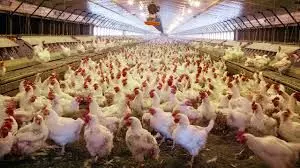
Bird influenza is resurfacing as the waterfowl that migrate begin their journeys of the season. This year, the outbreaks appear earlier than usual on poultry farms, resulting in many states in preparation for what could be a challenging autumn.
After a quiet summerwhere egg prices fell as fewer poultry culling reported illnesses, and health officials finally took a break -the situation has changed.
"It was lovely," said Shauna Voss as assistant director of the Minnesota Board of Animal Health. "But it didn't last."
With geese, cranes and ducks gathered at wetlands and lakes The virus is again spreading across wildlife populations. This can lead to the spread of the bird flu 2025 virus, especially the H5N1 outbreak, which is affecting domestic poultry.
In the past month more than 4 million birds were removed from states like Minnesota as well as Iowa after being tested positive for.
Officers are preparing for an uncertain afterlife, the time where outbreaks generally peak.
"Last week, we had our first confirmed positive," said Iowa Agriculture Secretary Mike Naig, referring to the turkey farm infections situated in Calhoun County. "The question now is how widespread it will be and what kind of fall season we're in for."
Naig said it's too early to know the possible impact of egg prices.
This is the fourth time in a row that we have seen fall with an increase in Minnesota bird flu activity, thereby confirming the fears that the virus has been able to spread among wild birds, and could cause a permanent threat to farms that raise poultry.
"It's not going to go away. It's pretty well inseparable," Voss observed.
While the virus mostly affects birds but experts warn that continual circulation can lead to changes that could allow the virus to spread to humans. Certain researchers have expressed concerns that a decrease in funding for research into mRNA could hinder the development of vaccines if an event occurs.
However, for the moment health officials in the public sector insist that the risk to human health is still low.