Healthier Rice Choices for Diabetics

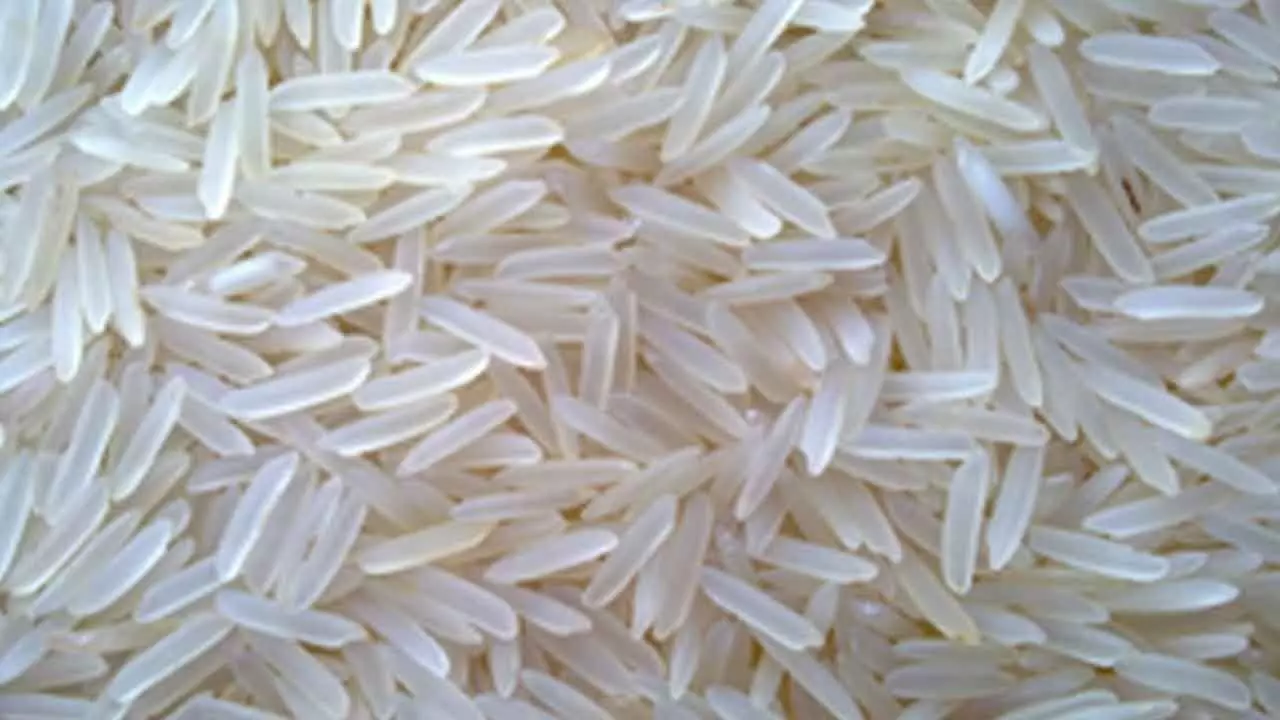
Not all rice spikes blood sugar. These five healthier varieties digest slowly and help people with diabetes enjoy rice safely
Rice is a daily staple in many Indian homes, often forming the heart of comforting meals like dal-chawal. However, for people living with diabetes or those at risk, the choice of rice can be a cause of constant concern. While white rice is soft, tasty, and filling, it is also known to raise blood sugar levels quickly, making it less suitable for regular consumption by diabetics.
The reason lies in the glycaemic index (GI), a scale that measures how rapidly a food raises blood sugar after it is eaten. High-GI foods are digested quickly and cause sharp spikes in glucose levels, while low-GI foods are absorbed slowly and provide steady energy. White rice ranks high on this scale, which is why it is often limited in diabetes-friendly diets.
The good news is that rice does not have to be completely avoided. Several healthier varieties offer better nutrition and a gentler effect on blood sugar. Choosing the right type can make a meaningful difference.
Red Rice
Red rice is known for its earthy colour and mild nutty taste. It is rich in fibre, protein, and antioxidants, which slow digestion and help improve insulin sensitivity. Because it is absorbed gradually, it helps prevent sudden rises in blood sugar. Red rice works well in simple meals, vegetable mixes, and salads.
Black Rice
Black rice, also called forbidden rice, is packed with powerful antioxidants that support overall health. Its high fibre content helps regulate digestion and stabilise blood glucose levels. The slow release of carbohydrates makes it a smart choice for people managing diabetes. It can be used in salads, stir-fries, or as a nutritious side dish.
Brown Rice
Brown rice is one of the most common substitutes for white rice. It retains its bran layer, which contains fibre, vitamins, and minerals. This natural coating slows down carbohydrate absorption and helps maintain steady sugar levels. Brown rice is easy to include in daily meals and also supports heart health.
Basmati Rice
Basmati rice has a lower glycaemic impact compared to regular white rice. Brown basmati is even better because it contains more fibre and nutrients. Its slower digestion rate makes it a safer option for blood sugar control. Pairing basmati rice with vegetables, pulses, or lean protein further improves its effect on glucose levels.
Wild Rice
Wild rice is technically a grass seed but is highly nutritious. It is lower in carbohydrates and higher in fibre, helping to control blood sugar and keep you full longer. Its firm texture and earthy flavour pair well with vegetables, soups, and grilled dishes.
By switching to these healthier rice varieties and keeping portions moderate, people with diabetes can continue to enjoy rice as part of a balanced diet. Smart choices, rather than complete restriction, support long-term health and better blood sugar control.