Idli vs Dosa: Which South Indian Breakfast Works Best for Weight Loss?

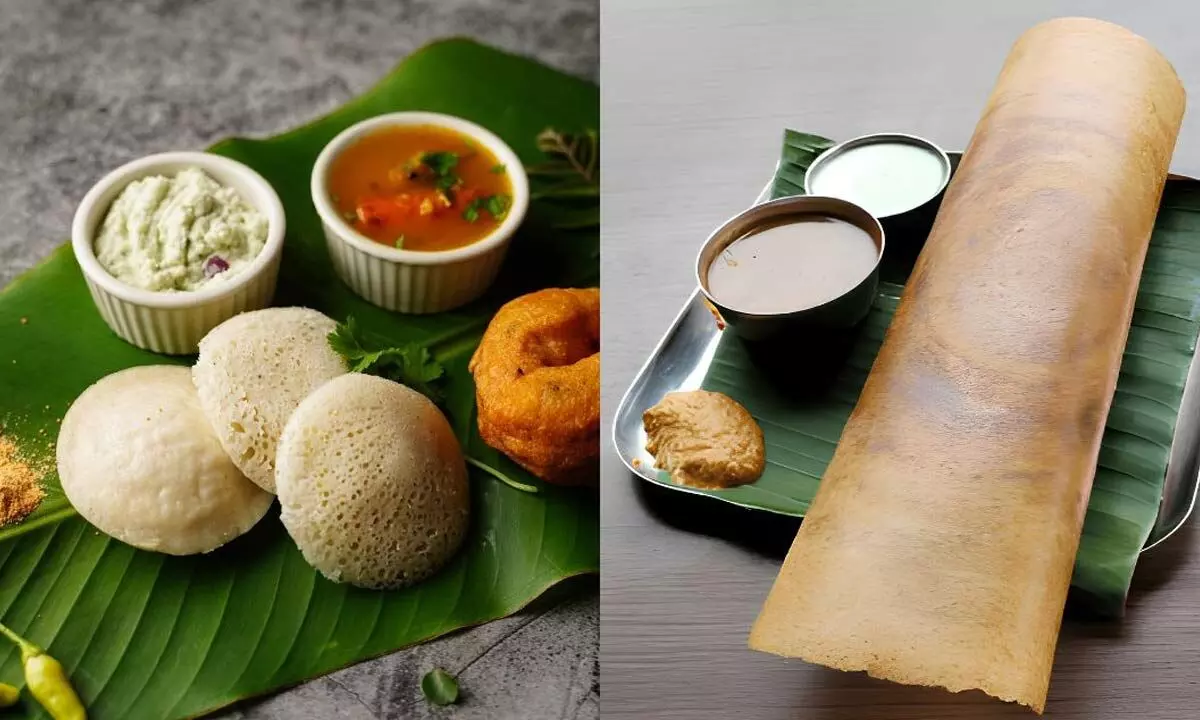
Idlis are light, steamed and low in calories, while dosas are versatile, protein-rich and filling, making both weight loss-friendly choices.
South Indian cuisine is celebrated for its flavour, variety, and nutritional value. Two iconic dishes that often dominate the breakfast table are idli and dosa. While both are loved for their unique taste and texture, health-conscious eaters are often left wondering—which one supports weight loss better?
Let’s break down the nutritional benefits, cooking methods, and weight-loss impact of these traditional favourites.
Cooking and Preparation
Both idli and dosa share the same roots—the batter of rice and urad dal, soaked, ground, and fermented overnight. Fermentation boosts gut-friendly bacteria, helps in breaking down carbohydrates, and enhances nutrient absorption.
- Idli: Steamed in moulds without oil, making it light, fluffy, and nutrient-preserving.
- Dosa: Spread thin on a hot griddle, usually cooked with oil or ghee, making it crisp and flavourful.
Thus, one batter offers two distinct outcomes: soft idlis and crunchy dosas.
Calorie Count
- Idli: A single plain idli (35–50 g) carries about 39–50 calories. With no oil used, it remains light and low in fat.
- Dosa: A plain dosa (80–100 g) contains around 100–120 calories, largely due to the oil or ghee absorbed during cooking.
For calorie-restricted diets, idlis are a safer bet.
Satiety and Fullness
- Idli: Gentle on the stomach, but can leave you hungry in 2–3 hours unless paired with sambhar, which adds protein and fibre.
- Dosa: Crisp, larger, and more filling. With add-ons like paneer, sprouts, or vegetables, it becomes a protein-rich meal that keeps you satiated longer.
Those managing hunger pangs may find dosa more satisfying.
Digestibility and Gut Health
- Idli: Steamed and fermented, making it one of the easiest foods to digest. Ideal for children, elders, and even people recovering from illness.
- Dosa: While also fermented, the added oil makes it heavier compared to idli.
For gut-friendly eating, idli takes the lead.
Glycaemic Index and Diabetes-Friendly Options
- Idli: Has a medium glycaemic index, raising blood sugar more gradually.
- Dosa: Tends to have a higher GI, especially if made with more rice and excess oil.
Both can be made diabetes-friendly by using brown rice, oats, or millets.
Protein and Versatility
- Idli: Not protein-rich by itself but pairing it with sambhar balances the meal.
- Dosa: Far more adaptable—replace rice with moong dal or ragi, or stuff it with paneer, tofu, or sprouts for a protein-packed twist.
For those seeking high-protein breakfasts, dosa wins.
Final Verdict
When it comes to weight loss, the choice between idli and dosa depends on individual goals:
- Choose idli if you’re aiming for low-calorie, easy-to-digest meals.
- Choose dosa if you want something filling, versatile, and protein-rich.
Both are healthy in their own ways, and with the right modifications, can fit seamlessly into a weight-loss diet.