Yoga Isn’t for Everyone: 5 Health Conditions That Call for Caution

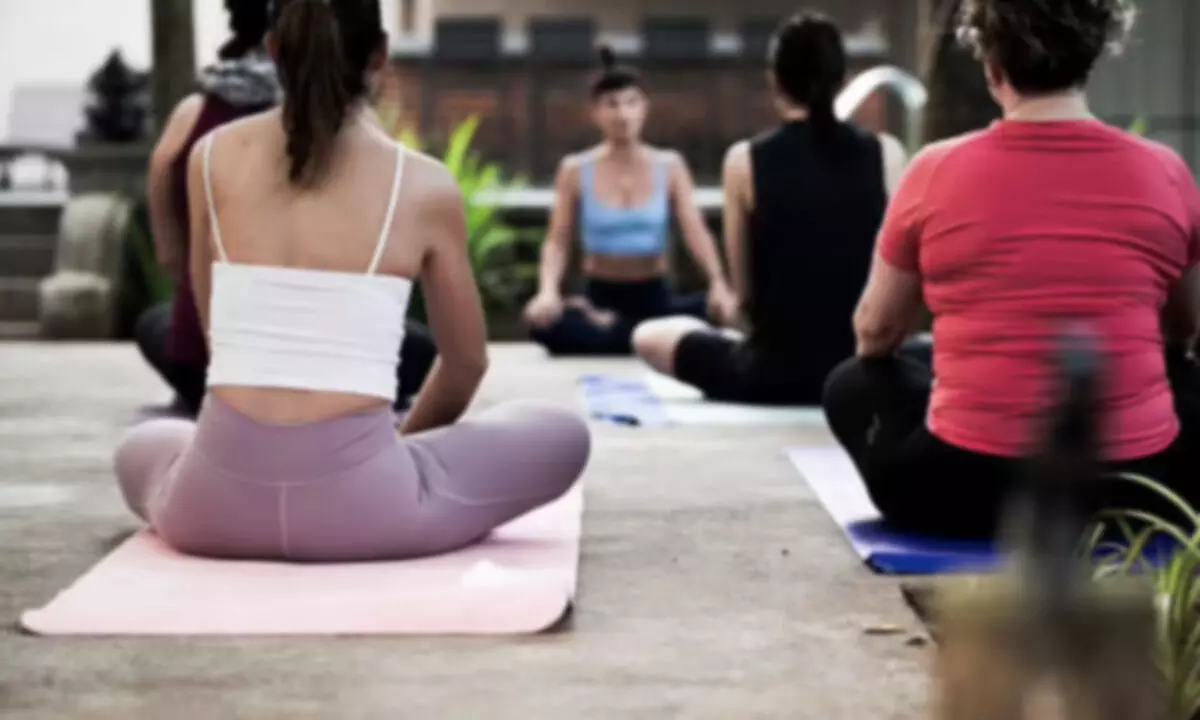
While yoga promotes well-being, it may worsen symptoms in certain health conditions if not tailored or practiced under proper guidance.
Yoga has long been celebrated for its mind-body healing powers—promoting flexibility, calmness, and overall wellness. But despite its wide-reaching benefits, yoga isn't a one-size-fits-all solution. For people dealing with specific health concerns, especially chronic or sensitive conditions, some poses could do more harm than good. Inappropriate postures or intense sequences may aggravate symptoms, trigger complications, or slow recovery. Here's a closer look at five health conditions that require careful yoga modifications or, in some cases, complete avoidance.
1. Pregnancy: Not All Poses Are Safe
Prenatal yoga is generally beneficial, but expecting mothers must steer clear of poses involving intense twists, backbends, or inversions. During the first trimester, such movements may raise the risk of miscarriage. In later stages, they could limit blood flow, increase uterine pressure, or affect balance. Practicing under the supervision of a trained prenatal yoga instructor is essential for safety and support.
2. Hypertension: Stick to Gentle Practices
Although yoga is often recommended for lowering stress and blood pressure, certain advanced poses might spike cardiovascular activity instead of calming it. Headstands, shoulder stands, and other inversions can temporarily elevate blood pressure, posing a risk for hypertensive individuals. Seated postures, mild forward bends, and deep breathing techniques offer a safer path to relaxation without taxing the heart.
3. Spinal or Back Conditions: Avoid Overextension
Yoga can be therapeutic for back pain—when done correctly. But those with herniated discs, sciatica, or post-operative spine issues should avoid deep backbends or weight-bearing poses like wheel, cobra, or plow. These can worsen injuries or delay healing. Instead, focus on restorative poses and movements that emphasize alignment, stability, and gradual progress.
4. PTSD: Trauma-Informed Yoga Matters
Yoga has been shown to help release emotional tension, but for individuals with Post-Traumatic Stress Disorder (PTSD), the experience can also be triggering. Deep hip openers and intense breathwork may unleash repressed trauma, leading to emotional distress. Those with PTSD are advised to practice with trauma-informed instructors who prioritize emotional safety and consent-based modifications.
5. Vertigo & Balance Disorders: Mindful Grounding Is Key
While yoga can enhance balance and posture, people suffering from vertigo, inner ear conditions, or neurological imbalances should avoid poses that challenge stability—such as tree pose or eagle pose. These can cause dizziness or falls. A better approach involves grounding postures and support-based sequences that cultivate balance without compromising safety.
Yoga is undeniably powerful—but like any practice, it demands mindfulness, especially when health vulnerabilities are involved. Always consult a medical expert and work with certified instructors who understand how to tailor yoga for your body’s unique needs.