Govt plans bigger push for EV two-wheelers in new policy

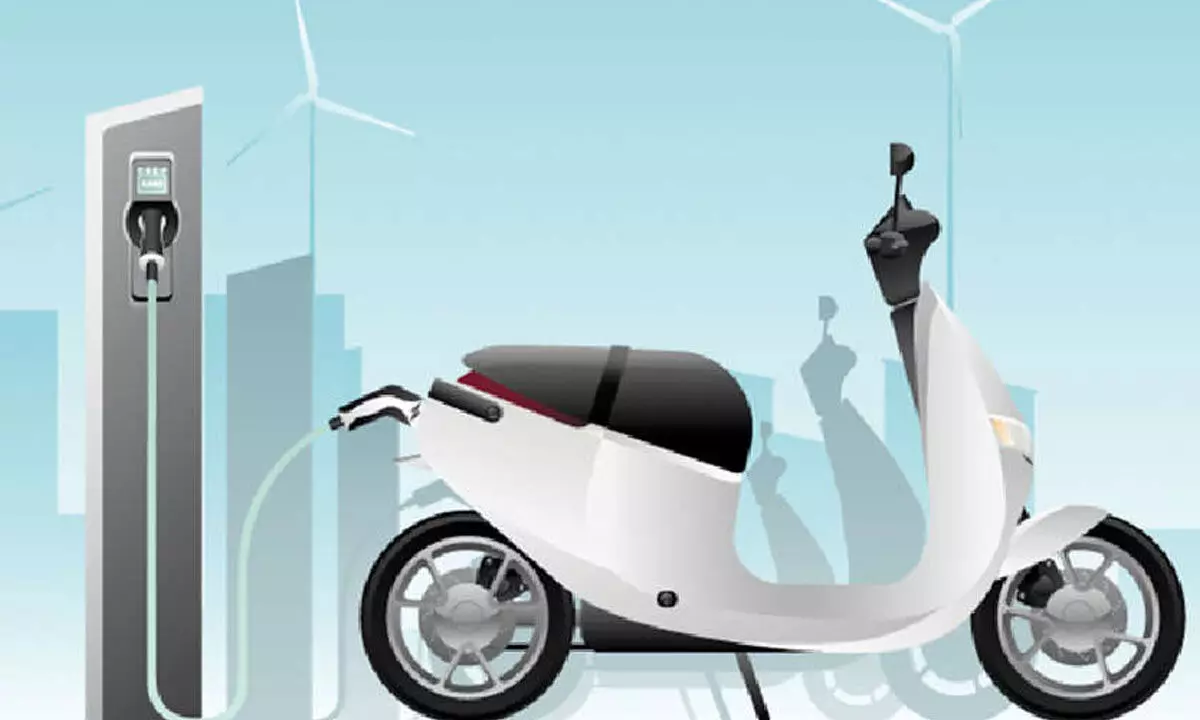
New Delhi: TheDelhi government is preparing to roll out the second phase of its Electric Vehicle (EV) policy early next year, with a stronger focus on promoting electric two-wheelers. The upcoming policy is expected to offer higher subsidies, tax benefits, and better charging infrastructure-particularly aimed at gig workers who rely heavily on two-wheelers for deliveries.
Under the current policy, electric two-wheelers receive a subsidy of ₹5,000 per kilowatt-hour of battery capacity, capped at ₹30,000. Officials from the Transport Department revealed that the government now plans to double this limit. This means subsidies could rise to ₹10,000 per kilowatt-hour, significantly lowering upfront costs for buyers.
For three-wheelers, a flat subsidy of ₹30,000 per vehicle is currently offered, while the benefit for four-wheelers has already been discontinued. The initial phase of the scheme was limited to the first 1,000 registered vehicles.
Officials say the main goal of the revised policy is to narrow the price gap between petrol-powered and electric vehicles. Although EVs cost more initially, their lower running and maintenance costs make them more economical in the long run.
The existing EV policy, which was set to expire this year, has been extended until March next year. The new policy will also include additional tax benefits for people who scrap their old internal combustion engine (ICE) vehicles and switch to EVs. Officials described this scrappage benefit as a “double incentive” that will both reduce pollution from old vehicles and accelerate the adoption of cleaner mobility options.
To make EVs more accessible to gig workers, especially delivery riders, the government plans to introduce low-interest loan schemes. It also intends to expand the charging network by setting up e-bike charging points near markets and high-demand delivery zones to make recharging easier for commercial users.
Despite the growing EV adoption, petrol two-wheelers still dominate Delhi’s roads. In 2024, around 22,646 battery-powered vehicles were registered, while 8,684 EVs were sold. However, more than 2.5 lakh new petrol two-wheelers are expected to be added by the end of the year, not including festive season sales around Diwali. The new EV policy will remain in force until March 2026 or until the revised version is officially notified. It is expected to be implemented in the first quarter of 2026 following public consultation.
Meanwhile, the government is also addressing delays in disbursing pending EV subsidies worth ₹140 crore. Transport Minister Pankaj Singh has said that the amount will be released once verification is complete. A new online portal is being developed to streamline the process. Recently, the Delhi High Court directed the government to ensure timely payment of pending subsidies, ruling that procedural delays cannot be used as an excuse for withholding benefits from consumers.