High Court Judge Seeks Anonymous Status In Supreme Court Challenge Against Removal Recommendation

High Court Justice Yashwant Varma files anonymous petition in Supreme Court challenging inquiry panel's removal recommendation following cash discovery at his residence.
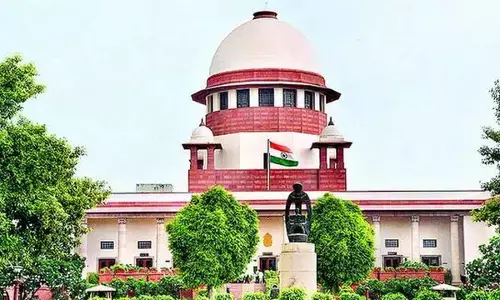
In an unprecedented judicial development, Justice Yashwant Varma has filed a petition in the Supreme Court under concealed identity, challenging the conclusions of an investigative committee that advised his dismissal from the judiciary. The case appears on Monday's Supreme Court docket as "XXX vs The Union of India," with the placeholder representing Justice Varma's concealed identity.
The anonymity request represents an unusual legal strategy, as such identity protection is typically reserved for sexual assault survivors, rape victims, and cases involving minors or juveniles. Justice Varma has specifically requested the apex court's permission to maintain confidentiality regarding his identity throughout the proceedings.
The controversy stems from a significant cash discovery at Justice Varma's official Delhi residence following a fire incident on March 14. The judge was absent from the premises when the blaze occurred, leading to the unexpected revelation of substantial currency holdings within his quarters.
Subsequently, a Supreme Court-constituted internal investigation committee determined there was "adequate evidence" supporting the allegations against the judicial officer. The panel concluded that Justice Varma and his family members maintained direct oversight of the location where the monetary cache was discovered.
Following these findings, Justice Varma was administratively transferred to the Allahabad High Court. On July 18, he formally approached the Supreme Court seeking nullification of the internal inquiry report and the former Chief Justice of India's dismissal recommendation.
In his legal arguments, Justice Varma contends that revealing his identity would result in "irreversible damage and harm" should his application be rejected. He emphasizes that as an active High Court judge, the internal investigation process was structured to maintain strict confidentiality protocols.
The petitioner argues that public disclosure of his identity at this juncture would significantly compromise his professional dignity and personal reputation, particularly since the allegations remain unsubstantiated through formal legal proceedings. He maintains that premature exposure could prejudice any future deliberations regarding his case.
Justice Varma has specifically cited previous unauthorized media disclosures of confidential inquiry documents, claiming these leaks resulted in "misleading and prejudicial reporting" against him. He argues that such unauthorized revelations have already damaged his standing within the legal community and public perception.
Currently facing potential impeachment proceedings in Parliament, Justice Varma's petition challenges both the procedural integrity and substantive conclusions of the internal investigation. He alleges the inquiry process contained fundamental procedural deficiencies and relied exclusively on "speculative questions rather than formal complaints."
The case represents a unique intersection of judicial accountability mechanisms and individual privacy rights within India's legal system. The Supreme Court's handling of this anonymity request could establish important precedents for future cases involving judicial officers under investigation.
The petition seeks comprehensive relief including the complete dismissal of the inquiry report and the withdrawal of removal recommendations made by judicial authorities. Justice Varma's legal team argues that the investigation failed to meet established procedural standards required for such serious allegations against sitting judges.
This development occurs amid broader discussions regarding transparency and accountability within India's higher judiciary, highlighting the delicate balance between public scrutiny and individual rights within the legal profession.