Historic India-China Border Talks Yield Major Breakthrough On Delimitation Process

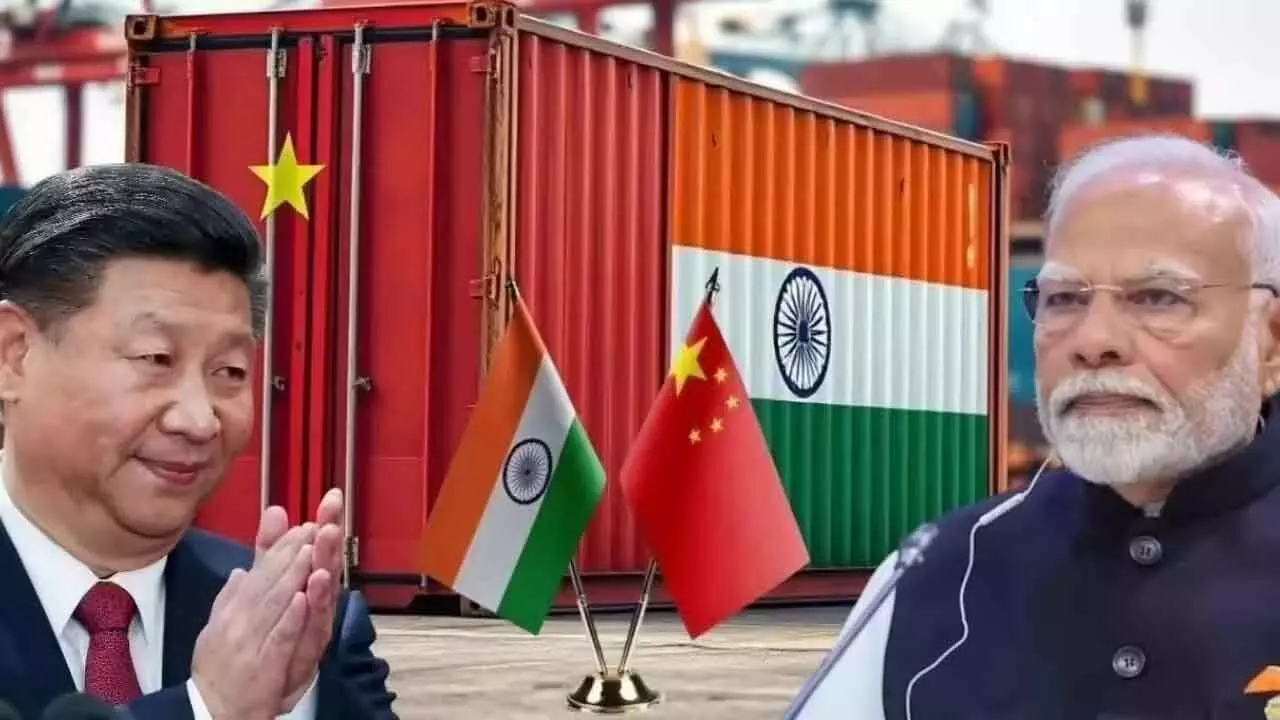
India and China agree to begin systematic border delimitation in less contentious areas following breakthrough talks between NSA Ajit Doval and Foreign Minister Wang Yi, marking significant progress toward resolving decades-old boundary disputes.
A major diplomatic breakthrough has emerged from recent high-level discussions between India and China, with both nations agreeing to initiate a structured process for resolving their long-standing border disputes. The development follows the 24th round of Special Representative talks held between India's National Security Advisor Ajit Doval and China's visiting Foreign Minister Wang Yi.
The two sides have reached consensus on adopting a systematic, step-by-step approach to address boundary issues rather than seeking an all-encompassing solution. This pragmatic strategy involves identifying areas along the border where tensions are minimal and beginning the delimitation process there, with the ultimate goal of establishing permanent demarcation through the placement of boundary pillars.
The agreed framework establishes a four-phase methodology for border resolution. Initially, a technical expert group will be formed under the existing Working Mechanism for Consultation and Coordination on India-China Border affairs, led by a Joint Secretary from India's Ministry of External Affairs. Subsequently, both nations will identify specific border segments with minimal friction potential. The third phase involves the actual delimitation of these selected areas, culminating in the physical demarcation of boundaries with international markers.
This incremental approach represents a significant shift from previous attempts at comprehensive border resolution, instead focusing on building confidence through early achievements in less problematic areas. The strategy acknowledges the complexity of the overall dispute while creating momentum through tangible progress in manageable segments.
Beyond delimitation discussions, both countries have also advanced their post-disengagement protocols following the tensions that arose in May 2020. A crucial agreement has been reached regarding the adoption of non-offensive military postures along the Eastern Sector, particularly in East Ladakh and other contested regions. This understanding requires both armies to maintain positions that pose no military threat to the opposing side, achieved through mutual sensitivity and autonomous decision-making.
The implementation of non-offensive postures involves the strategic repositioning of heavy military equipment, including tanks, artillery, and rocket systems, away from the Line of Actual Control to distances that eliminate threatening capabilities. This arrangement takes into account the geographical advantages on both sides, recognizing that China's flat Tibetan plateau allows for faster military movement compared to India's mountainous terrain in Ladakh.
The momentum for these developments stems from the productive meeting between Prime Minister Narendra Modi and Chinese President Xi Jinping on October 23, 2024. Both leaders are scheduled to meet again at the Shanghai Cooperation Organization summit in Tianjin on August 31, setting the stage for further normalization of bilateral relations.
This diplomatic progress occurs against the backdrop of broader regional dynamics, including China's expanding influence in Pakistan and the Indian subcontinent. However, both nations appear committed to pursuing practical engagement while safeguarding their respective strategic interests.
The agreement represents the most significant forward movement in India-China border relations in recent years, offering hope for the gradual resolution of disputes that have persisted for decades. The methodical approach adopted by both sides suggests a mature recognition that complex territorial issues require patient, systematic resolution rather than dramatic breakthroughs.
Prime Minister Modi's direct engagement with Foreign Minister Wang Yi underscores the high priority both governments place on stabilizing their relationship. The establishment of technical working groups and the commitment to maintaining peace and tranquility along the boundary indicate a shared determination to prevent future conflicts while working toward permanent solutions.
As both nations move forward with this framework, the international community will be watching closely to see whether this pragmatic approach can deliver lasting stability along one of the world's most sensitive borders. The success of this initiative could serve as a model for resolving other territorial disputes through patient diplomacy and incremental progress.