Shashi Tharoor Defends Nation-First Approach Despite Party Loyalty Concerns

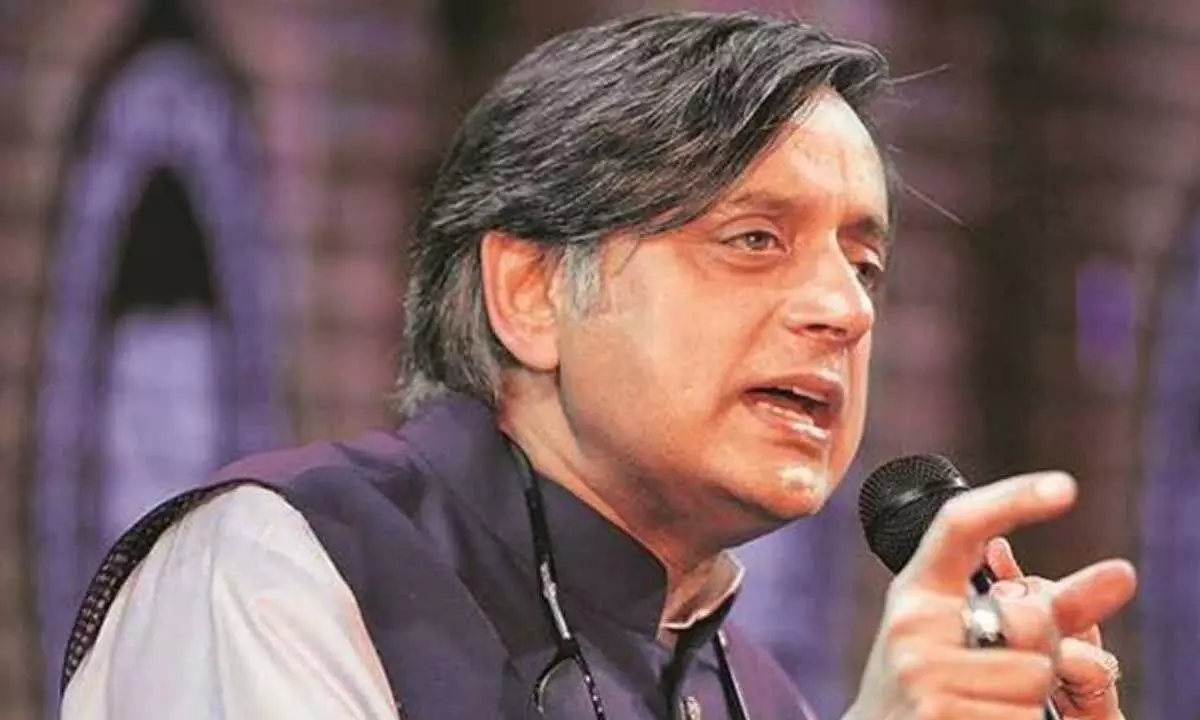
Congress MP Shashi Tharoor emphasizes prioritizing national interests over party politics, addressing criticism for supporting government on defense matters amid speculation about internal tensions.
Congress MP Shashi Tharoor has reinforced his commitment to placing national interests above party considerations, acknowledging that this stance sometimes creates friction with party leadership who may perceive such positions as disloyal.
Addressing an audience in Kochi at a discussion on "Peace, Harmony and National Development" on Saturday, the Thiruvananthapuram representative articulated his philosophy that political parties should serve as instruments for national betterment rather than ends in themselves. He emphasized that regardless of party affiliation, the ultimate goal should be creating a stronger India, even if different parties disagree on methodology.
Tharoor directly confronted recent criticism he has received for backing the Modi government's handling of Operation Sindoor and other defense-related initiatives. He defended his position by stating that supporting the nation's armed forces and government during critical security matters represents the correct course of action, regardless of political consequences.
When questioned by a student about his relationship with Congress leadership, Tharoor explained the delicate balance he maintains between party loyalty and national duty. He noted that while he respects his party and shares its fundamental values, he believes cooperation with other parties becomes necessary when national security is at stake, though such collaboration sometimes appears disloyal to party colleagues.
The veteran politician acknowledged that democratic politics inherently involves competition between parties, but argued that this competitive spirit should not prevent collaborative efforts during crucial moments. He described inclusive development as his consistent theme throughout his sixteen-year political career, alongside commitments to national security and broader national interests.
Speaking to reporters later, Tharoor reiterated that his "nation first" philosophy has guided his entire political journey since returning to India specifically to serve the country in various capacities. He emphasized that his service extends beyond conventional political boundaries.
The Congress leader also addressed growing speculation about internal party tensions, particularly following his appointment to head an all-party delegation regarding Operation Sindoor. While typically avoiding public discussion of such political matters, he felt obligated to respond to the student's inquiry and subsequently shared the interaction on social media platform X.
Tharoor invoked former Prime Minister Jawaharlal Nehru's famous question "Who lives if India dies?" to underscore his belief that political actors must set aside partisan differences when national interests are threatened. This perspective has become increasingly relevant as he faces scrutiny for positions that some within his party view as overly accommodating toward the current government.
Recent controversy surrounding Tharoor intensified after he published an article praising Prime Minister Modi's international diplomatic approach, specifically commending his "energy" and "dynamism" in global affairs. The Prime Minister's Office's decision to share this article further fueled speculation about Tharoor's standing within the Congress hierarchy and his relationship with party leadership.
Throughout his remarks, Tharoor maintained that political parties across the spectrum should demonstrate willingness to collaborate during moments of national significance, suggesting that such cooperation represents true patriotism rather than political betrayal. His comments reflect ongoing tensions within opposition ranks about how to balance criticism of the ruling party with support for national initiatives, particularly those involving security and defense matters.
The controversy highlights broader questions about the role of individual conscience versus party discipline in contemporary Indian politics, with Tharoor positioning himself as someone willing to face internal criticism for what he perceives as principled stances on national issues.