Microsoft Copilot to Exit WhatsApp on January 15 as Meta Enforces New AI Rules

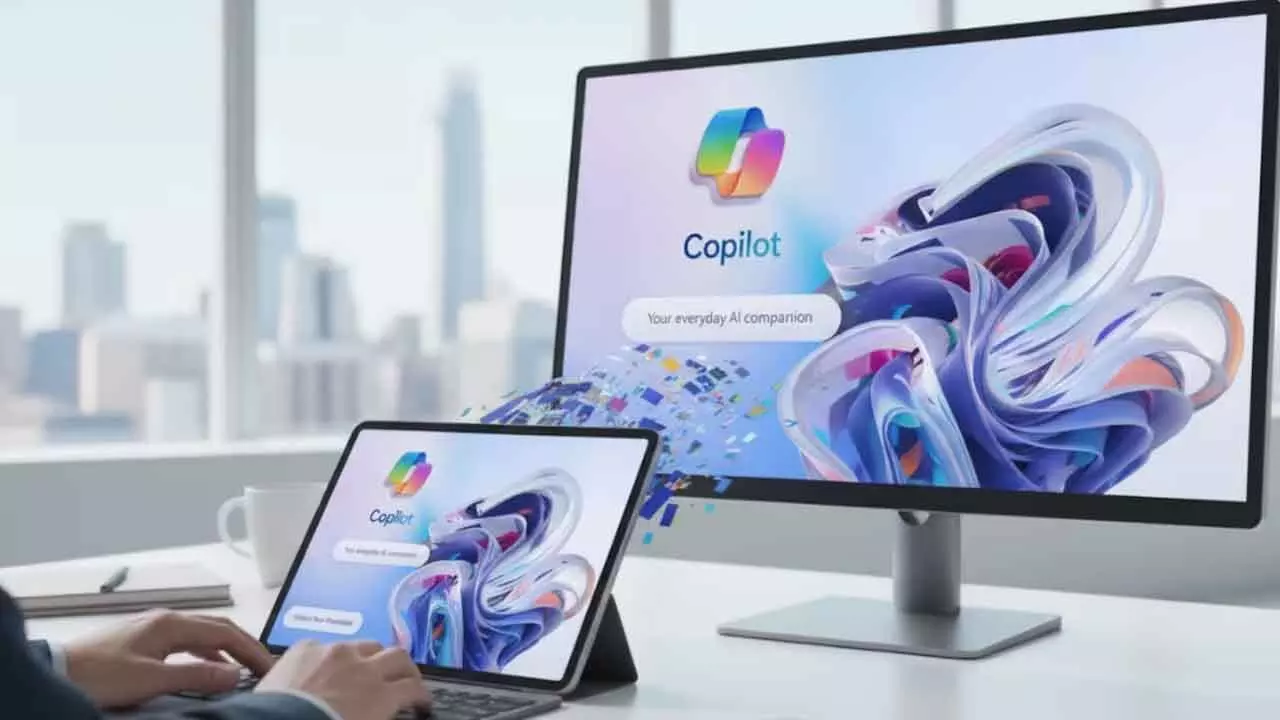
Microsoft Copilot will stop working on WhatsApp from January 15 as Meta restricts general AI chatbots, requiring users to shift to standalone apps.
If you’ve been relying on Microsoft Copilot for quick answers or AI assistance within WhatsApp, that experience is coming to an end soon. Microsoft has officially announced that Copilot will be removed from WhatsApp starting January 15, a move prompted by Meta’s newly updated rules for AI chatbots on the platform. After the deadline, users will need to turn to Microsoft’s dedicated mobile apps or the web version to continue accessing Copilot’s capabilities.
This decision follows Meta’s policy shift aimed at controlling how AI tools function within WhatsApp. The company wants to ensure that the WhatsApp Business API remains focused on customer support and commercial interactions rather than hosting large, general-purpose AI assistants. The update effectively blocks AI systems such as Copilot, ChatGPT, and Perplexity AI from operating directly through WhatsApp, aligning with Meta’s vision of preserving platform performance and preventing large-scale AI traffic from clogging its infrastructure.
Meta first revealed these changes in November, clarifying that the platform will no longer support broad AI chatbots used extensively for mass engagement. Instead, the Business API will support only specialised bots tailored for customer inquiries and automated business workflows. This shift has already led other companies, including OpenAI, to announce the end of their WhatsApp integrations in January as well.
For regular WhatsApp users, this transition means more than just losing access to an AI assistant—their chat history with Copilot will disappear permanently. Unlike Microsoft’s authenticated apps, Copilot’s WhatsApp version did not link conversations to a Microsoft account. This means all existing chat logs are stored locally and will be erased after the shutdown.
Microsoft has advised users to manually export their Copilot chats using WhatsApp’s built-in export feature before January 15. After this date, Copilot will stop responding on the platform, and all existing conversation data will be deleted with no option for recovery.
Those who want to continue using Copilot’s full suite of tools—ranging from document summarisation and coding help to image generation and creative writing—can migrate to Microsoft’s standalone Copilot app available for both Android and iOS. The assistant is also accessible anytime via the official Copilot website, where users can log in with their Microsoft accounts and maintain synced history across devices.
While the removal may feel disruptive, especially for users who enjoyed the convenience of AI assistance within WhatsApp, it reflects a broader industry trend. Major platforms are now drawing firmer boundaries around the type of AI services they permit, aiming to prioritise reliability, customer service use cases, and system stability. For Microsoft, the change may ultimately encourage more users to embrace its tightly integrated ecosystem, spanning Windows, Office, and the Edge browser.
With only a few weeks left before Copilot’s WhatsApp presence is officially discontinued, users are encouraged to export their chats and transition to Microsoft’s apps. Come mid-January, Copilot will say its final goodbye to WhatsApp, marking the end of one chapter and the beginning of a more focused AI experience on Microsoft’s own platforms.