WhatsApp to Limit Messages to Unknown Contacts in Bid to Curb Spam

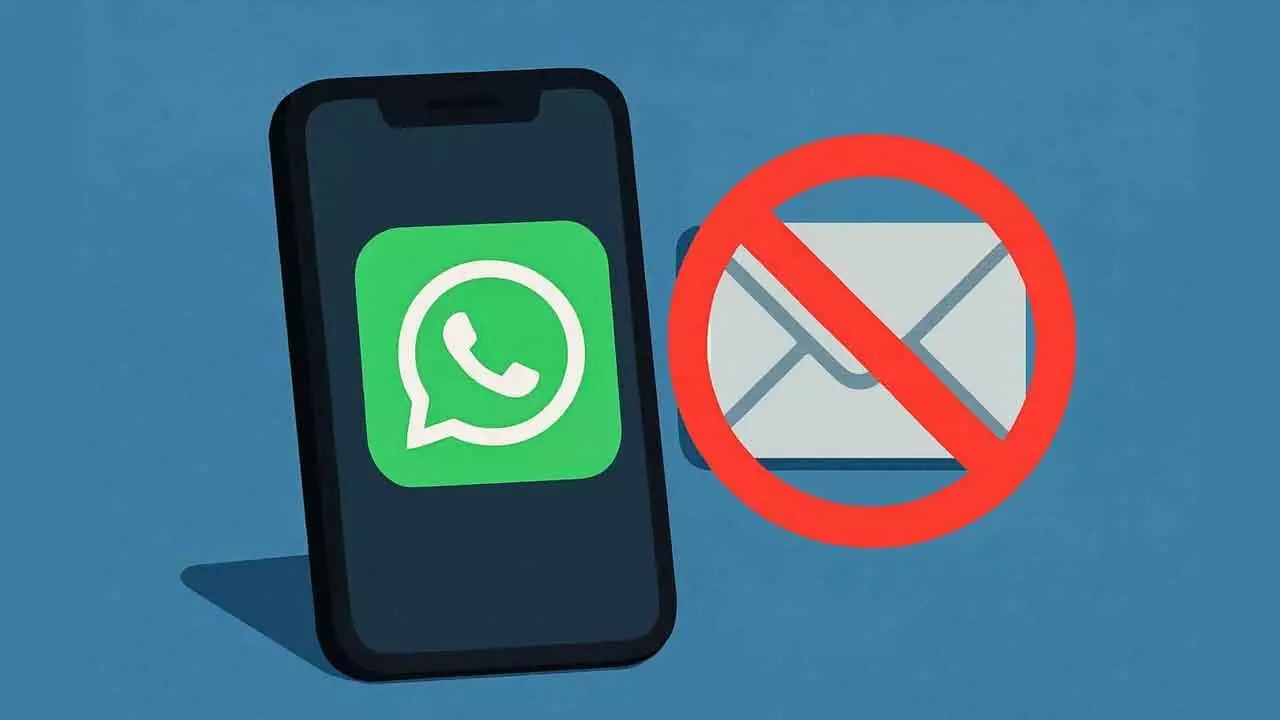
WhatsApp is introducing monthly message caps for unknown contacts to reduce spam and restore a cleaner, more personal chat experience.
If your WhatsApp inbox is overflowing with unread messages from unknown numbers—many of them promotional or spammy—there’s good news on the horizon. WhatsApp is testing new restrictions that could finally bring relief to users tired of persistent “hello” messages and unwanted offers.
The Meta-owned messaging platform is experimenting with a monthly message cap for users and businesses that send messages to people outside their contact lists. Each time someone sends a message to an unknown number that doesn’t respond, it counts toward this monthly quota. For instance, if you meet someone at a conference and send them three messages without hearing back, that’s three strikes against your monthly total.
WhatsApp has not disclosed the exact limit yet. “WhatsApp hasn’t said what the limit will be, as it’s testing different limits during this time,” the company told a popular publication. To ensure transparency, users approaching the threshold will receive a notification—an in-app alert showing how close they are to reaching the cap. If ignored, they might be temporarily restricted from messaging new contacts.
The new feature is expected to roll out in multiple countries in the coming weeks. However, WhatsApp has reassured regular users that these restrictions are primarily aimed at curbing spam and mass messaging. “Average users won’t usually hit the limit, and their messaging experience won’t be affected,” a company spokesperson clarified. The move, they added, is intended to reduce spam, not genuine conversations.
This initiative builds upon WhatsApp’s ongoing efforts to make the platform safer and less cluttered—especially in markets like India, which hosts more than 500 million users. In recent years, the app has evolved from a simple chat tool to an all-in-one communication hub for personal, professional, and business interactions. However, this growth has also led to an increase in unsolicited messages and marketing blasts.
In 2024, WhatsApp began introducing several anti-spam tools to address these issues. In July, it rolled out caps on business marketing messages, restricting how many promotional texts a company could send each month. Later that year, an unsubscribe option was added, allowing users to opt out of promotional messages while staying connected for essential updates and support.
Earlier in 2025, WhatsApp also experimented with limits on broadcast messages, which allow users to send the same message to multiple people simultaneously. That trial has since expanded to over a dozen countries, including India, where spam control remains a top priority.
The latest message restriction represents another step in tightening the platform’s spam defenses. By making every unsolicited message “count,” WhatsApp hopes to discourage businesses and individuals from flooding in boxes with irrelevant content. Instead, companies will be nudged toward more thoughtful, targeted communication and meaningful engagement.
For users, this could finally mean a quieter, cleaner inbox—one that feels more like a space for personal connection rather than a dumping ground for digital noise. While the update won’t eliminate spam entirely, it’s a strong move toward making WhatsApp feel personal again.