Bondi Beach massacre underlines danger of jihad

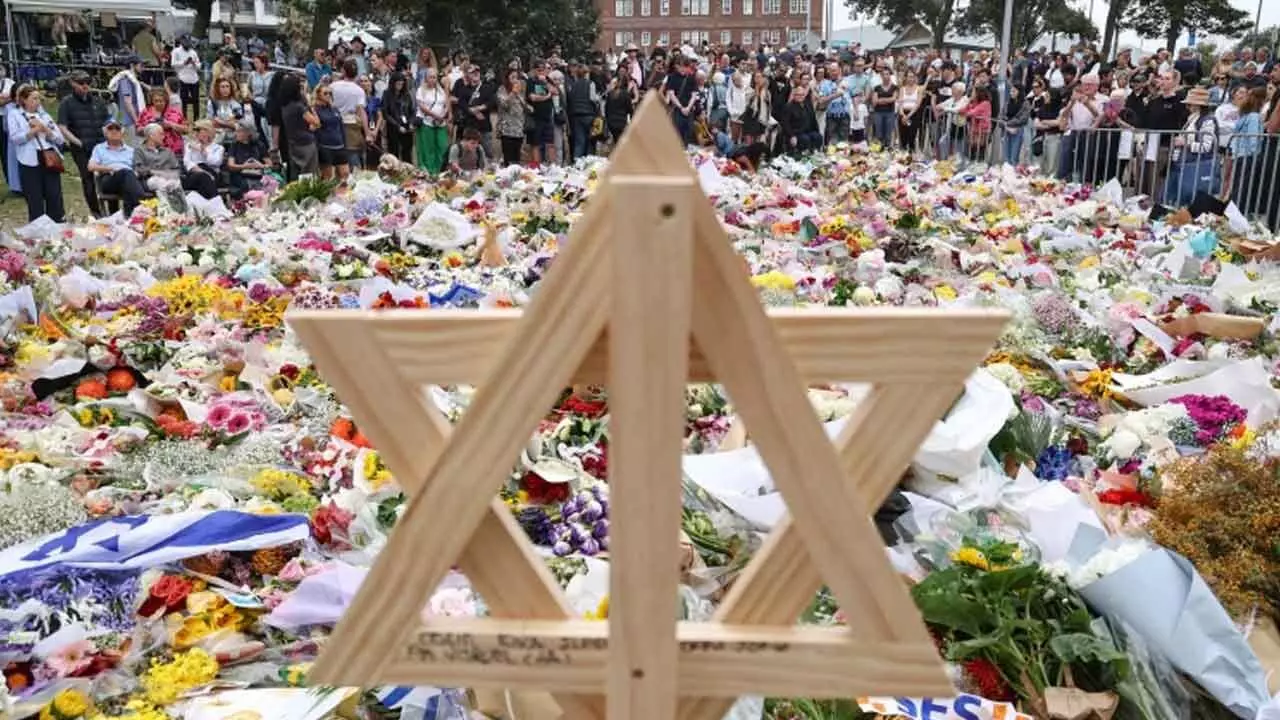
Details of the culprits of the Bondi Beach massacre in Sydney have emerged, and they tell us a horrifying story. The alleged gunmen are Sajid Akram (50) and his son Naveed Akram (24). The former is from Hyderabad, according to law enforcement agencies in both Australia and India. Sajid married a woman of Italian origin, Verna, and almost ended his ties with India and his family. His visits to Hyderabad were essentially related to the disposal of ancestral property; he didn’t have any attachment with his native place or family; he didn’t even attend his father’s funeral.
One would have thought that Sajid had become an Australian because of his new residence and marriage to a Christian lady with whom he had, apart from Naveed, a daughter. Beneath the surface of assimilation and Australiaisation, however, was a deadly jihadist who was preparing to make his ugly presence felt. He did it on December 14 in the late afternoon as a large number of Jews were celebrating Hanukkah. Sixteen people, including a child, were murdered, and many more were wounded.
Accompanying him was his son, Naveed. His mother, Verna, never suspected such involvement; she reportedly called him a “good boy” and expressed shock that her family was involved. She told a newspaper that her son phoned her claiming to be on a weekend away in Jervis Bay on the NSW south coast before the shooting.
The massacre has several disturbing aspects. First, there is the issue of a small section of educated Muslims who are not just unwilling to accept the imperatives of a multicultural society but determined to terrorise non-Muslims by adopting violent means. The Akrams in Australia, the doctors of the Faridabad gang, Osama bin Laden (an engineer), Ayman al-Zawahiri (a medical doctor, Osama’s successor)—there is a long list of terrorists who were not only educated but also prosperous.
This fact gives the lie to the widespread notion that there is a link between poverty and illiteracy, on the one hand, and terrorism, on the other.
Second, it underlines the baneful influence of Left-liberals in democracies, which precludes preventive and effective action against jihadists. As per The New York Times, Naveed had come to the authorities’ attention in 2019, but it was concluded that he did not pose an immediate threat.
The Australian media has also reported that the 2019 investigation was over Naveed’s links to Isaac El Matari, a self-proclaimed Islamic State commander based in Sydney who was convicted of plotting a terrorist attack and was sentenced to seven years in prison in 2021. It is easy to criticise law enforcement officials, but it is also true that they come under fire if they act effectively against suspected terrorists; they are accused of ‘Islamophobia,’ bigotry, racism, etc.
Third, the misdeeds of a handful of jihadists bring trouble for the vast majority of Muslims who live peacefully and law-abidingly. Ordinary Muslims, who are themselves often the first victims of radical ideology, find their loyalty questioned and their identities scrutinised because of crimes they didn’t commit. This collective punishment, though unintended, is one of the most corrosive by-products of jihadist violence.
The Bondi Beach massacre is a stark reminder that, beneath apparent assimilation, the ideologies of hate can lurk, and that ignoring early warning signs carries a terrible cost.