Different Types of Parathas You Can Try at Home

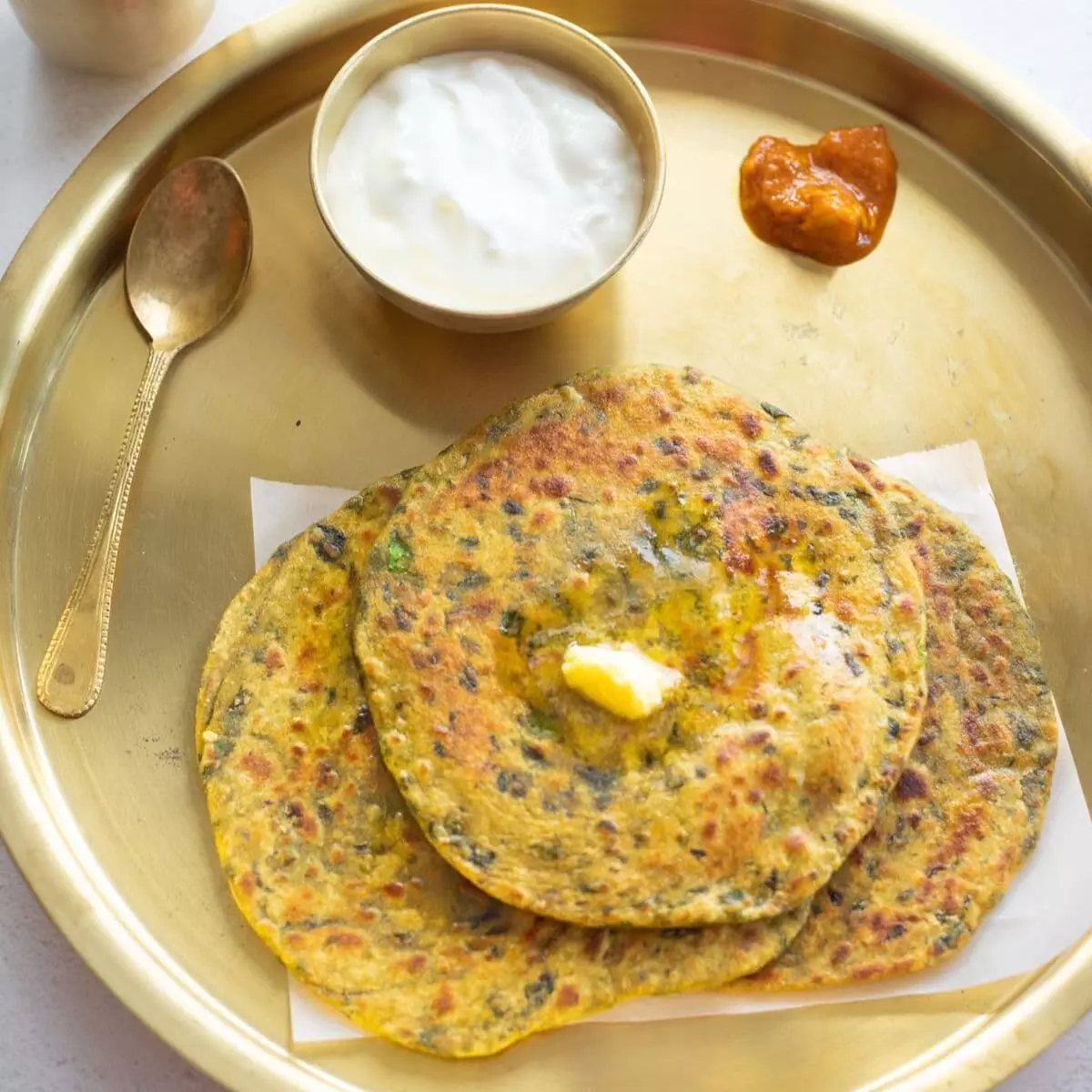
Explore the diverse world of Indian parathas! Learn what makes plain, layered, and stuffed varieties—like Aloo, Gobi, and Paneer Paratha—unique, with practical tips on preparing the dough and stuffing them perfectly at home.
Parathas stay close to home cooking in many Indian kitchens and you notice how each house makes them in a slightly different way. You taste soft ones in some homes and crisp ones in others and it feels comforting every single time. You see that a paratha is nothing but a wheat-based flatbread, yet the fillings, layers and textures change a lot from region to region. Now here’s the thing. You can make so many types at home without feeling that it is too much work and once you try a few versions, you understand which ones you like doing again and again.
What Makes a Paratha Different
Parathas stand between a roti and a stuffed bread. The dough stays simple with wheat flour and a bit of salt but the shaping is what changes the story. You find two main styles across Indian homes. One style keeps the paratha plain or layered and the other style packs it with a filling inside. The reason is quite clear. Some days you want something light and some days you want something loaded. A light ghee layer creates a crisp bite, while a soft filling creates a fuller meal. You can prepare them on a regular tawa and you do not need anything fancy to try them.
Popular Stuffed Parathas to Try
Aloo Paratha
Aloo paratha remains one of the most common stuffed styles and many people grow up eating it on weekends. The stuffing feels homely with boiled potatoes mixed with mild spices and coriander. You sense a soft inside and a crisp outside when cooked well. It feels like the same taste you get from restaurants when you use a Zomato gift card to enjoy aloo parathas at home. One thing you can try is to keep the stuffing dry because too much moisture makes the rolling part difficult.
Gobi Paratha
Gobi paratha brings a fresh flavor and you taste it a lot during the winter season when cauliflower stays good. The stuffing uses grated cauliflower mixed with turmeric, cumin and green chili. You may think it is too soft but wait, it matters a lot when you squeeze out extra water from the grated mix. The thing is very clear here. If the mix stays dry, you get a smooth paratha.
Paneer Paratha
Paneer paratha suits those days when you want something mild yet filling. The stuffing stays soft with crumbled paneer mixed with herbs and a bit of chili. You get a light sweetness from paneer and it pairs well with yogurt or pickle. You must have noticed that paneer releases water so you should keep it dry before stuffing.
Methi Paratha
Methi paratha takes a different route because the methi leaves mix directly into the dough. You see tiny green specks across the paratha and you taste a slight bitterness that feels pleasant. This is one style that works well for quick meals and you can use fresh methi for better flavor. Chop the leaves fine so that rolling does not trouble you.
Pyaz Paratha
Pyaz paratha gives a sharp flavor and the onion stuffing brings a mix of sweet and spicy taste. Raw or lightly cooked onion with spices makes the filling. Just check this once. If the onions stay too wet the dough tears while rolling, so pat them dry before mixing.
Mughlai Paratha
Mughlai paratha stands heavier than the other versions. You see it mostly in Bengal-style street food where the paratha carries egg and minced meat inside. This one feels rich and you sense a mix of textures. Drain excess oil from the cooked meat if you prepare it at home so the paratha does not turn too oily.
Layered or Plain Parathas
Some days you want something without stuffing and that is where layered parathas step in. Lachha paratha stays a common version because the folds create visible layers. You taste a light crisp texture when cooked with a bit of ghee. At this stage you understand that layering needs gentle hands and a bit of oil between folds for best results.
Regional and Seasonal Variations
Across India you find many versions that use local produce. Mooli paratha stays common in winter seasons because radish stays fresh and the mild heat of spices balances the sharp flavor of mooli. Ajwain paratha feels strong when you want something light and comforting. You can even mix leftover dal or vegetables into dough to create new flavors at home. That’s how it works in many houses where nothing goes to waste.
Quick Home Cooking Tips
You should use fresh atta because it keeps the dough soft. Resting the dough for some time gives a smoother texture. The point is simple here. A dry stuffing always works better for rolling. Keep the tawa on medium heat so the paratha cooks evenly. You can spread a small layer of ghee or oil while cooking and get a nice golden color. For storing, place cooked parathas in an insulated box and reheat them on a tawa when needed.
FAQs
Q. Can I freeze parathas
A. Yes, you can freeze them after they cool down. Stack them with sheets between each one and reheat directly on a tawa.
Q. What oil or ghee should I use
A. Ghee gives a strong aroma and taste, while oil keeps it lighter. The main thing is to use whichever feels right for your meal.
Q. How do I stop the stuffing from tearing the dough
A. You can make the stuffing dry and roll the dough slightly thick. Seal the edges well so the filling stays inside.
Q. Are parathas healthy
A. You already know this depends on how much oil you use and what stuffing you put inside. Whole wheat versions with moderate oil stay good for daily meals.
Conclusion
At last you reach here and you see how many paratha styles you can make without any trouble. You can start with potato or paneer ones or take a small jump and try Mughlai style. The reason is quite clear. Parathas fit into any meal and you can shape them to match your taste. Try one or two versions first and soon this becomes a regular part of your kitchen routine.