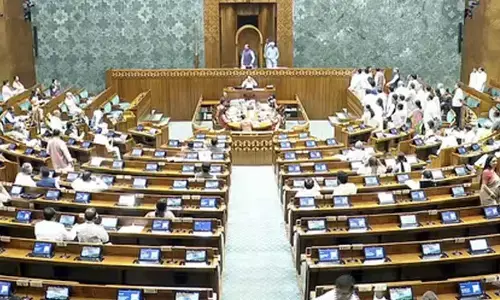
Why India Is Closely Watching Nepal’s 2026 Election Results Amid Political Turmoil

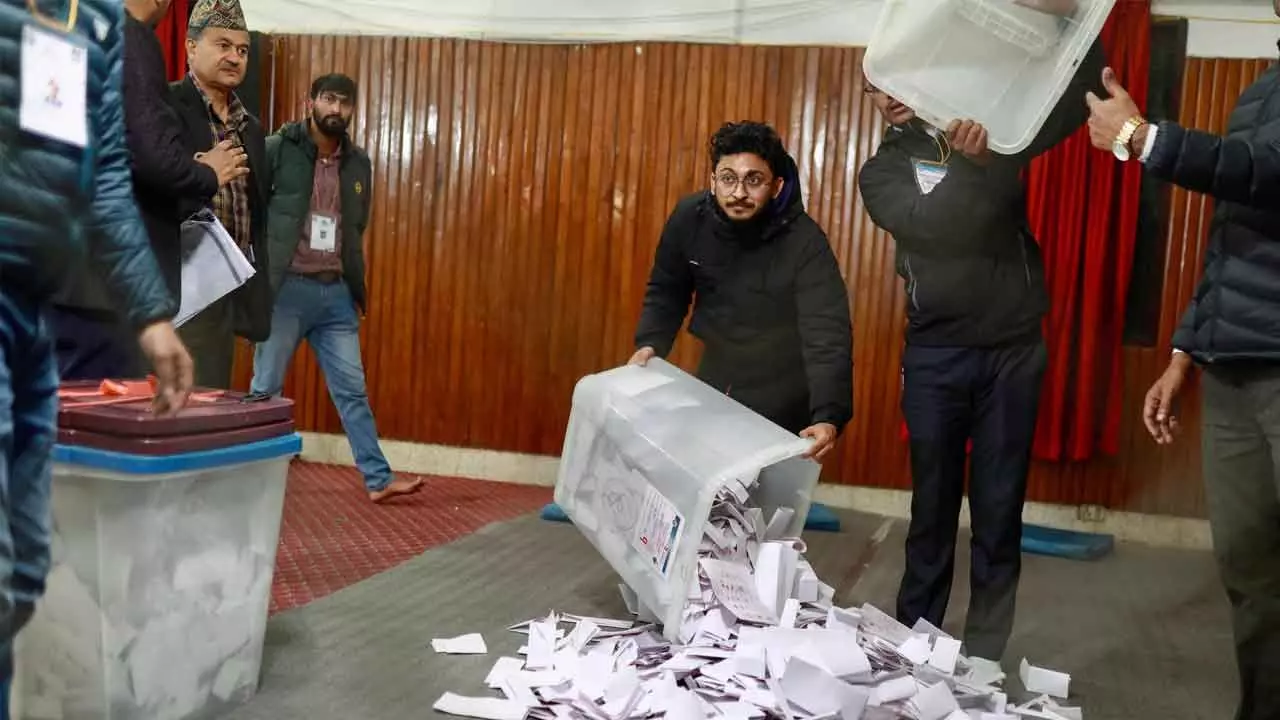
Nepal’s first general election after the 2025 uprising has drawn close attention from India due to border disputes, political instability, and complex bilateral relations between the two neighbours.
Nepal has held its first general elections since the youth-led uprising in 2025 that forced the resignation of former prime minister KP Sharma Oli and led to the formation of an interim government headed by Sushila Karki. The election outcome is being closely monitored by India because of the sensitive and often complicated relationship shared by the two neighbouring countries.
Several prominent figures are competing for power in the polls. Among them are a Marxist former prime minister seeking a political comeback, rapper-turned-politician and Kathmandu mayor Balen Shah who is appealing to young voters, and the recently elected leader of the Nepali Congress party. Vote counting is currently underway and will determine the fate of thousands of candidates contesting for seats in Parliament through both direct and proportional representation systems.
The election has regional importance as Nepal shares deep historical, cultural, and economic ties with India. However, relations between the two countries have experienced multiple challenges in recent years.
Nepal’s political environment has been unstable since the large-scale protests in September 2025. Demonstrations led largely by Gen Z activists erupted across the country over issues such as corruption, unemployment, and restrictions on social media. The protests eventually resulted in the fall of the Oli government, several deaths, and the creation of an interim administration to stabilise the situation.
Because of this political uncertainty, India has adopted a cautious diplomatic stance and has largely paused major initiatives with Kathmandu until a stable government is formed.
One of the major points of tension between the two countries has been the border dispute involving Kalapani, Lipulekh, and Limpiyadhura. Nepal released a revised political map in 2020 that included these areas within its territory, even though India administers them as part of Uttarakhand. The disagreement resurfaced in 2025 when Nepal issued a banknote depicting the disputed territories as part of its map, prompting strong objections from India.
Another recurring issue is the perception among some Nepali political groups that India interferes in the country’s internal affairs. Such accusations have often surfaced during election campaigns and have fuelled nationalist rhetoric. These sentiments date back to the controversy surrounding Nepal’s 2015 constitution, when Kathmandu accused India of imposing an unofficial blockade during protests along the border—an allegation New Delhi has consistently denied.
Trade and border activity have also added friction to bilateral relations. In 2025, India criticised remarks from Nepal regarding the resumption of trade with China through the Lipulekh Pass, rejecting Nepal’s territorial claims and stating that such assertions lack historical and factual basis.
Overall, India-Nepal relations have faced strain due to domestic political upheaval in Nepal, rising nationalist narratives, and unresolved territorial disputes. The formation of a stable government after the current election could offer an opportunity for both countries to rebuild diplomatic momentum. However, uncertainties remain, particularly because some political figures gaining popularity among voters are viewed by their supporters as taking a strong stance against India.
Next Story