Ferrari’s First EV ‘Luce’ Blends Retro Elegance With Apple-Inspired Design Touch

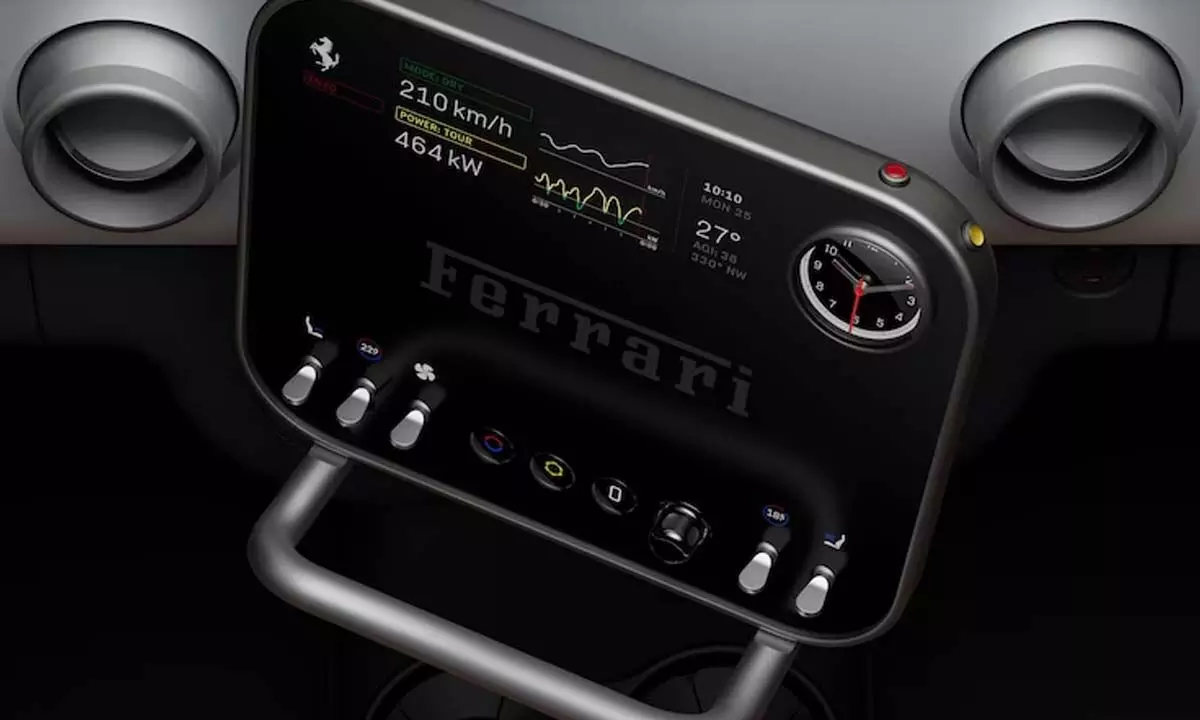
Ferrari’s first electric car pairs classic craftsmanship with Jony Ive’s minimalist Apple-inspired design, replacing screens with tactile, human-focused controls.
When most people think about the inside of a modern electric vehicle, they picture towering touchscreens, glowing digital dashboards, and a cabin that feels more like a gadget than a car. Ferrari, however, has taken a very different road for its first-ever electric model, the Luce.
The Italian automaker has revealed the interior of the Luce, and it looks nothing like the screen-heavy cabins dominating today’s EV market. Instead, the space feels warm, tactile and nostalgic — a nod to classic sports cars rather than futuristic tech pods. The reason behind this unexpected direction is Jony Ive.
The legendary former Apple designer and his firm LoveFrom have shaped the Luce’s interior, bringing a philosophy that favours simplicity, materials and human interaction over flashy displays. Step inside and the Apple connection is immediately noticeable. Rounded edges, smooth aluminium surfaces and clean glass accents echo the aesthetic Ive helped popularise during his years at Cupertino.
The dashboard resembles a modern reinterpretation of Ferrari’s golden-era sports cars. Air vents feature an aluminium finish, and the cabin makes generous use of leather. One of the most eye-catching details is the glass gear shifter placed prominently in the centre console. Ferrari says the glass elements are supplied by Corning — the same company known for producing the durable glass used in iPhones.
Even the steering wheel channels heritage. The three-spoke design appears inspired by the thin wooden wheels seen in Ferraris from the 1950s and 1960s, blending nostalgia with modern craftsmanship.
What stands out most, though, is what Ferrari chose not to do.
Rather than filling the cockpit with oversized displays, Ive’s team deliberately prioritised physical controls. Buttons, knobs and switches dominate the cabin, giving drivers something tangible to interact with. The aim is to keep the driving experience intuitive and distraction-free.
Explaining the thinking, Ive told Autocar UK, “This idea that because the power source is electric the interface should be digital is nonsense. That makes no sense to me at all.”
There is still technology, of course — just used more discreetly. A 10-inch touchscreen is integrated into the design rather than taking over the dashboard and can even be repositioned using a grab handle. Drivers also get a 12.5-inch digital display that mimics three separate analogue dials, preserving the retro feel while offering modern information like navigation.
Ferrari has added some playful details too. The launch control system is mounted on the roof, requiring the driver to physically pull it down to activate. Rear passengers get their own screen to view speed, lap times and telemetry.
Interestingly, the Luce also offers a glimpse into what Apple’s abandoned car project might have looked like. Although Apple shelved its automotive ambitions in 2024, Ive’s design language here hints at a more human-centred, less screen-obsessed approach to mobility.
Ferrari will fully unveil the Luce in May 2026. If the interior is any indication, the brand’s electric future could feel refreshingly analogue at heart — even in a digital age.