RBI cuts Repo rate by 25bps to 6.25%

New Guv Sanjay Malhotra-led MPC goes for first rate cut in 5 yrs; Decision will make home, auto and other loans cheaper
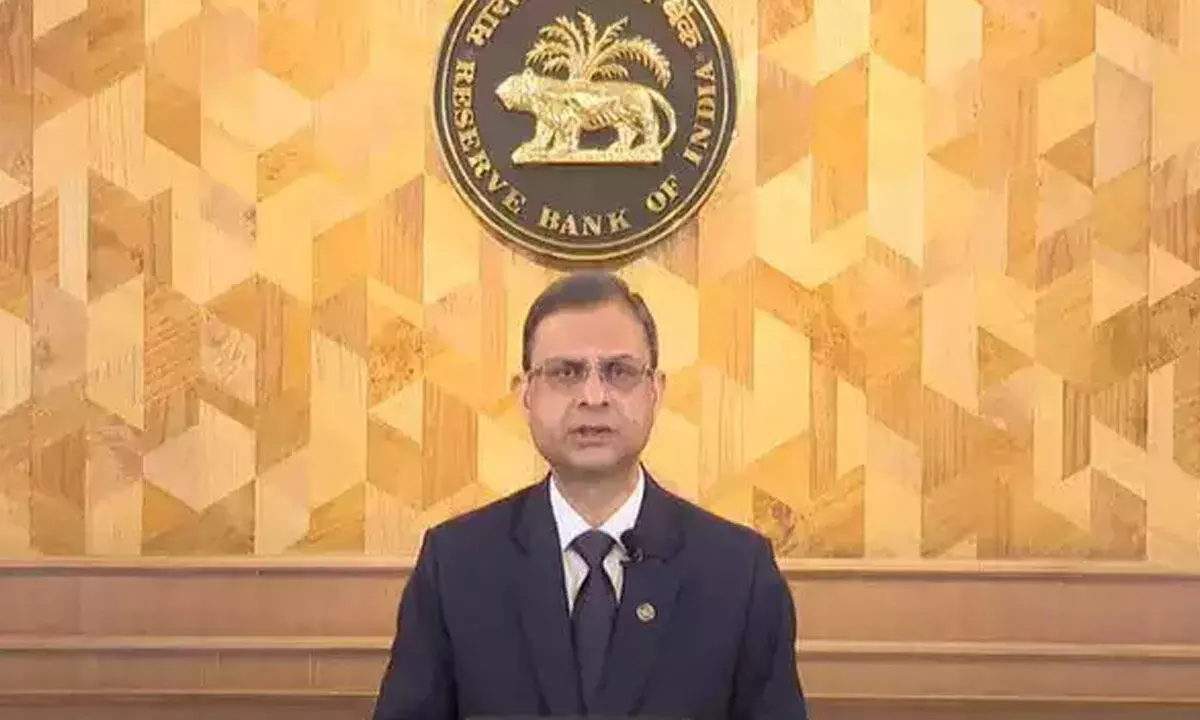
Mumbai: Home, auto and other loans are likely to see a drop in interest rates after the Reserve Bank of India (RBI) under a new Governor cut the key benchmark rate on Friday for the first time in almost five years to spur a sluggish economy. The Monetary Policy Committee, headed by RBI Governor Sanjay Malhotra, slashed the repo rate by 25 basis points to 6.25 per cent. This was the first reduction since May 2020 and the first revision after two-and-a-half years.
Malhotra, a career bureaucrat who replaced Shaktikanta Das barely days after the last bi-monthly MPC meeting in December, headed the MPC meeting held during February 5-7. The repo rate (repurchase rate) is the interest rate, at which the central bank lends money to commercial banks when there is a shortage of funds.
India's GDP growth fell to a 7-quarter low of 5.4 per cent in July-September period of current financial year 2024-25, as against RBI's own projection of 7 per cent. The gross domestic product (GDP) rate of 6.4 per cent will be the lowest since the Covid year (2020-21), when the country witnessed a negative growth of 5.8 per cent.
When repo rate is high, borrowing costs for banks increase, which is often passed on to consumers in the form of higher interest rates on loans.
Conversely, a lower repo rate usually results in lower interest rates on loans such as home loans, car loans, and personal loans. Repo rate also decides the returns on savings and investment products.
A higher repo rate can lead to better returns on fixed deposits and other savings instruments, as banks offer higher interest rates to attract deposits. On the flip side, lower repo rates might reduce the interest earned on these savings products. Analysts said with the rupee hitting record lows virtually every day against the US dollar, a rate cut will put pressure on domestic inflation and the currency, likely triggering capital outflows. The MPC, which consists of three RBI and three external members, “decided unanimously to reduce the policy repo rate by 25 basis points from 6.50 per cent to 6.25 per cent,” Malhotra said.