US researchers identify high-risk cells that may trigger ovarian cancer

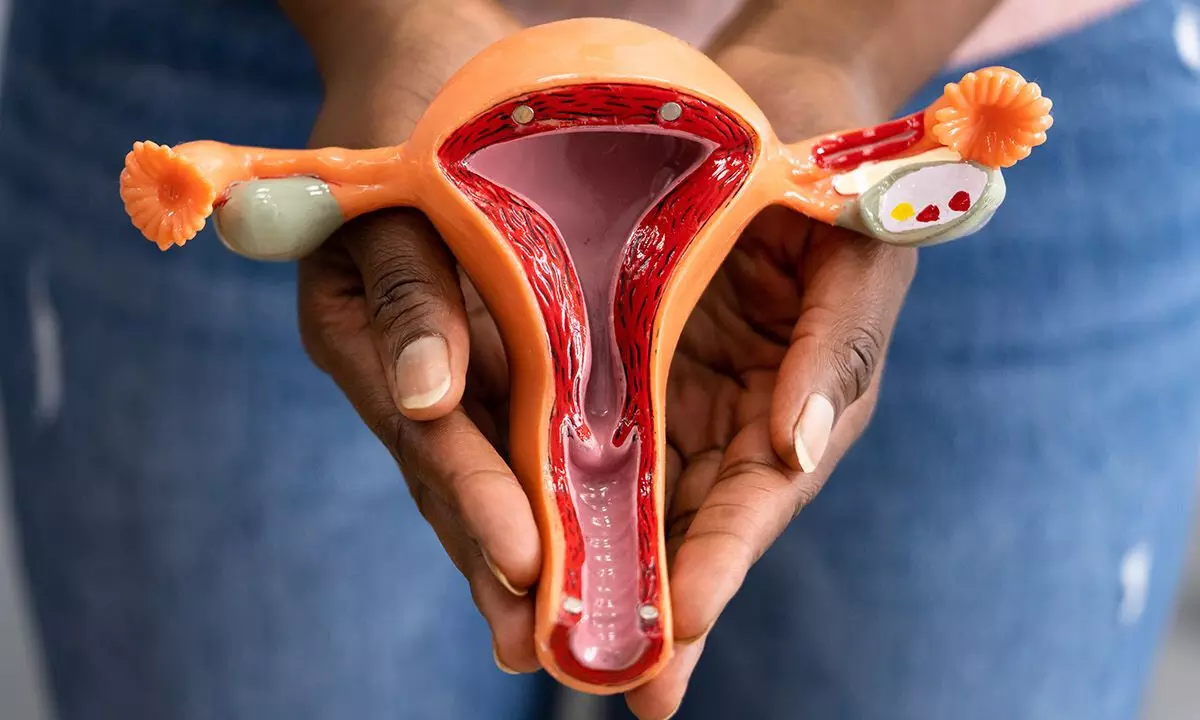
In a major advancement for ovarian cancer research, a team of scientists from the University of Pittsburgh has identified high-risk cells in the fallopian tubes that may lead to a deadly form of ovarian cancer
In a major advancement for ovarian cancer research, a team of scientists from the University of Pittsburgh has identified high-risk cells in the fallopian tubes that may lead to a deadly form of ovarian cancer. The discovery of these cells— a specific subset of progenitor cells located in fallopian tube supportive tissue (stroma)— could open new avenues for early detection and prevention of high-grade serous ovarian cancer (HGSOC).
HGSOC, the most common and aggressive form of ovarian cancer, originates in the fallopian tubes before spreading to the ovaries. However, current medical approaches offer no early detection methods or preventive measures beyond surgical castration, which is only recommended for high-risk individuals.
“Ovarian cancer remains a leading cause of death among gynecologic cancers, and understanding how it develops is crucial to improving patient outcomes,” said Lan Coffman, Associate Professor of Malignant Hematology and Medical Oncology at Pitt School of Medicine. The research findings were published in Cancer Discovery.
HGSOC begins when healthy epithelial cells in the fallopian tubes transform into precursor lesions known as serous tubal intraepithelial carcinoma (STIC), which can eventually develop into cancerous tumors. The researchers focused on the stroma—the connective tissue that typically supports healthy cell growth—to uncover how it plays a role in cancer development.
The study found that mesenchymal stem cells (MSCs), usually involved in tissue growth and repair, become reprogrammed by tumor cells in ovarian cancer. Alarmingly, similar cancer-associated MSCs were identified in the fallopian tubes of healthy women, particularly those of older age or carrying BRCA gene mutations—both of which are known risk factors for ovarian cancer.
Further experiments revealed that when these high-risk MSCs were introduced into organoids—mini-organs derived from patient fallopian tube tissue—healthy epithelial cells began transforming into cancerous cells.
“High-risk MSCs promote DNA damage in epithelial cells and then help those mutated cells survive,” explained Coffman. “It’s the perfect storm for cancer initiation.”
This groundbreaking discovery not only enhances the understanding of ovarian cancer’s origins but also paves the way for potential new screening tools and targeted preventive strategies, offering hope for improved survival rates in the future.