GTA 6’s Delay Signals The End of The Old Games Industry – Here’s What’s Next

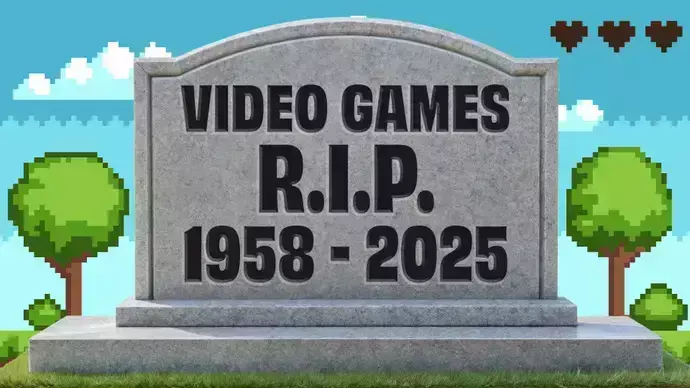
The gaming industry's traditional model is dying, with delays like GTA 6 signaling change. Smaller studios may lead the way in a new, creative gaming era.
As Grand Theft Auto 6’s delay looms, it’s clear: the video games industry, as we’ve known it, is dying. The old model of massive publishers and multimillion-dollar triple-A games isn’t sustainable anymore. The warning signs are everywhere.
The games industry, dominated by companies like Ubisoft, EA, and 2K, used to be about a steady release of blockbusters, annual franchises, and a healthy balance of indie and major games. Meanwhile, console makers like Sony, Microsoft, and Nintendo followed suit with their own big releases. The landscape was once peppered with a thriving indie scene, mobile gaming juggernauts, and a growing live-streaming culture on Twitch and YouTube. However, this model is faltering in the face of several seismic changes.
The past week alone showcased the growing turmoil. EA laid off over 300 employees and scrapped the Titanfall franchise, while Fandom’s acquisition of Giant Bomb led to layoffs, underscoring the media industry's own struggles. Video games have become a “mature” industry, attracting fewer investors, and those who do invest are turning to sectors like AI, diverting attention from the gaming world.
The industry is also battling a shift in consumer behavior. Social media, especially platforms like TikTok, has stolen gamers’ attention away from games themselves. With short, addictive video formats dominating the digital space, even live-streaming platforms like Twitch have laid off significant portions of their workforce, struggling to adapt.
The bigger picture reveals a clear trend: the $350 million development cycles for triple-A games are no longer sustainable for most publishers. Even companies like Ubisoft are feeling the strain, adapting their approach and cutting back on big-budget games. At the same time, live service games have failed to deliver the promised financial stability, and fads like NFTs and blockchain have fizzled out.
This brings us to GTA 6, one of the last hopes for the industry. As Rockstar's highly anticipated title is delayed until mid-2026, many hoped it would reignite the gaming world. However, with social media trends dominating, the rise of short-form content, and gaming platforms fighting to maintain relevance, the spotlight on GTA 6 may not be as bright as anticipated.
For gamers, the immediate impact might not seem severe. There are still plenty of projects in the works, but long-term, the future is uncertain. Fewer triple-A games are likely to emerge, and those that do will be exceptions. Developers are facing an environment where risk-taking is hard, and innovation feels stifled.
But there’s still hope. The gaming industry’s transition may open the door for smaller, independent studios to rise. Companies like Larian Studios, Supergiant, and Hello Games have found success with more focused, lower-budget projects. As the industry shifts away from its bloated, mainstream approach, new voices and more creative endeavors could emerge. The global gaming scene is also expanding, with increasing contributions from South Korea, China, and other international markets.
In the end, while the old model may be dying, the spirit of creation and play isn’t going anywhere. The gaming world may be evolving into something more varied, creative, and unpredictable. The industry as we know it may be finished, but a new one is already emerging. The games industry is dead—long live the games industry.