Education in transition: Advancing skills, inclusion, and innovation

In 2024, the educational landscape underwent substantial alterations, with progress made in inclusion, technology integration, and skill development.
In 2024, the educational landscape underwent substantial alterations, with progress made in inclusion, technology integration, and skill development. As we approached 2025, our focus is on providing kids with important 21st-century skills, closing learning gaps, and promoting mental health.
Key achievements in 2024
In 2024, technology emerged as a prominent driver in education, with efforts such as India’s PM-WANI and NEP 2020 improving rural connection and digital literacy. The dedication to providing a transformative learning environment is unwavering, bolstered by strategic initiatives that address current trends and future demands. These initiatives include expanding curricula through new teaching techniques, updating academic programs and research across disciplines, implementing clinical services and outreach activities, and constantly improving infrastructure.
These projects have empowered millions of marginalised pupils and exposed them to the digital age. AI-powered learning systems have transformed education by providing tailored learning routes and real-time feedback to help students succeed.
Addressing pandemic-related setbacks
In 2024, efforts to reduce the pandemic’s long-term impact were prioritised. The India Learning Recovery Programme provides remedial kits to 18 million rural students to remediate learning loss. Additionally, counseling services and mental health efforts were enhanced to assist students in dealing with the psychological repercussions of the pandemic. Despite these attempts, hybrid learning models remained challenging, with more than half of students worldwide reporting elevated stress levels (Organisation for Economic Cooperation and Development).
Focus on bridging the learning gap in 2025
Building on 2024’s gains, the educational system in 2025 is expected to promote critical thinking, creativity, teamwork, and adaptability—essential abilities for success in today’s workplace. Project-based learning, which incorporates real-world problem-solving into the curriculum, will grow more popular, encouraging students to develop analytical and creative thinking skills while taking ownership of their education.
Soft skills such as communication, emotional intelligence, and teamwork are being integrated into school lessons, extracurricular activities, and community service projects. These exercises, combined with co-curricular programs such as athletics, yoga, and contests, will help students develop discipline, resilience, leadership abilities, and stress management, preparing them for both personal and professional success.
Ensuring equitable access to education
In rural areas, initiatives to guarantee equitable access to quality education are increasing. Initiatives utilising AI, VR, and teacher training are helping to close the educational gap, giving rural children the same opportunity as their urban counterparts.
Way ahead
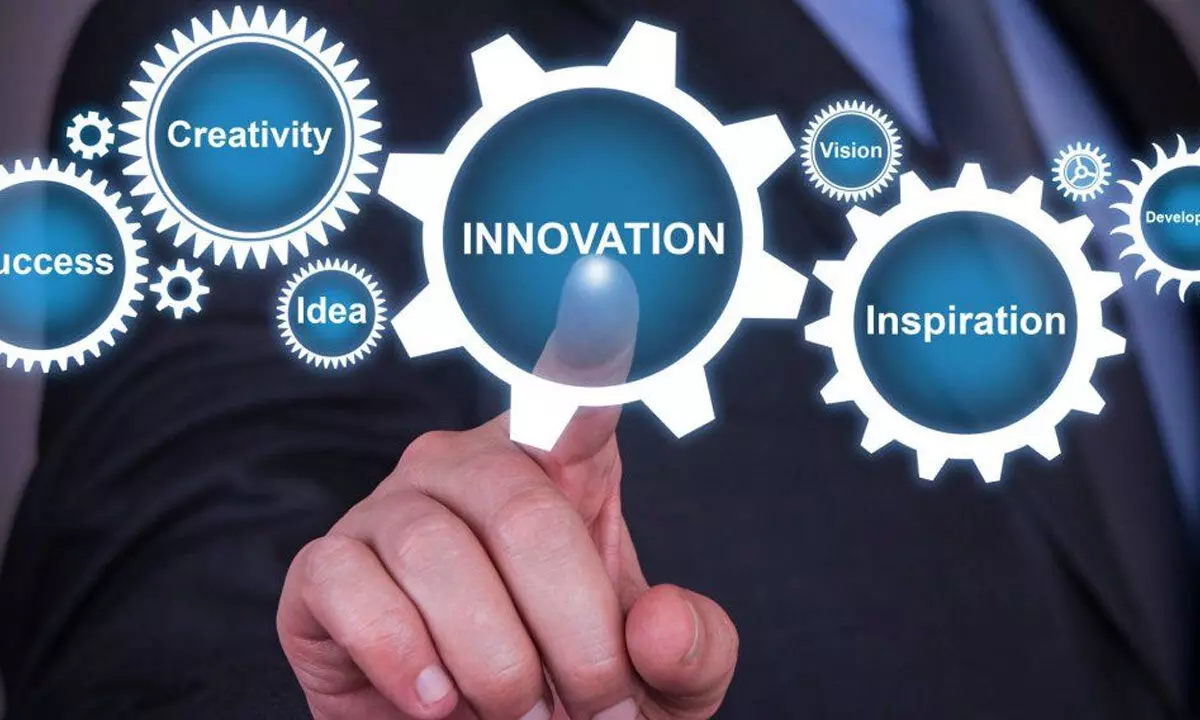
As education evolves, 2025 promises to expand on the accomplishments established in 2024, with a strong emphasis on closing learning gaps and developing critical 21st-century skills. By encouraging innovation, boosting soft skills, and providing fair access to education, we are laying the groundwork for a future in which students are equipped to flourish in a fast changing world. They will be equipped to lead, innovate, and make substantial contributions to society if they have the resilience and creativity needed.
(The author is Director, SDME Society)