The Twin Pillars of Civilization

Language is the most remarkable gift of human civilization. It is not merely a means of communication but a bridge connecting generations, cultures, and societies. In the earliest days, our ancestors used gestures, symbols, and markings to express their thoughts. Dots, curved lines, and pictographs laid the foundation for what would eventually become spoken and written language. Over time, as different regions developed their own ways of pronouncing and structuring these symbols, languages emerged uniquely suited to their environments and cultures. This natural evolution of language is a testimony to human creativity and adaptability.
Role of language in education, progress: Education serves as the lifeline of human progress, ensuring that the knowledge gained through centuries of hard work is not lost but passed on to future generations. Language is at the heart of this process. It enables us to document, share, and refine our ideas, making education a continuous cycle of learning and growth. A child, when first exposed to written words, sees only lines and shapes. However, as they learn to read and write, these lines transform into meaning, thoughts, and expressions. Language gives individuals the power to understand their culture, express their emotions, and participate meaningfully in society.
Language as a unifying force: A nation’s language is not just a tool for communication; it is the soul of its people. When one learns the language of a country, they connect with its people, understand its history, and appreciate its traditions. Language breaks barriers, fostering harmony among diverse communities. It is through language that we build relationships, resolve conflicts, and express our shared humanity. Regardless of our origins, the language we speak becomes our own when we use it to convey our ideas and aspirations.
Challenges in language and education: Despite its importance, language, and education face challenges in today’s world. Many indigenous languages are disappearing, taking with them a wealth of cultural knowledge. Additionally, not everyone has access to quality education, creating a gap between those who can fully participate in society and those who struggle to express themselves. The rise of technology has changed how we communicate, often reducing deep conversations to short, impersonal messages. These challenges must be addressed to preserve the richness of language and its role in human connection.
The Power of Language: A Gateway to Cultural Enrichment: The introduction of a new language alongside an existing one, when driven by a passion for cultural preservation, should be viewed as an opportunity rather than a challenge. Much like planting new crops to diversify and enrich the harvest, language diversity strengthens communities by broadening understanding and fostering inclusivity. Regardless of which language prevails in administration, all individuals should have access to learning it for reading, writing, and speaking. This approach not only saves time in adapting to governance and professional needs but also empowers individuals with greater opportunities for growth and communication.
Education as a Pathway to Progress: Education plays a vital role in shaping society and unlocking human potential. Today, many pursue education primarily for securing jobs, financial stability, and social recognition. While these aspirations are valid, education should also be seen as a tool for personal and intellectual development. True education nurtures curiosity, sharpens critical thinking, and fosters a deeper understanding of the world. When pursued with a sense of purpose beyond material gains, education becomes a source of empowerment and transformation for individuals and communities alike.
The Importance of Thoughtful Learning: For education to be truly impactful, it must go beyond rote learning and memorization. Understanding concepts deeply and applying them practically is what builds strong intellects. Simply memorizing words or reciting texts without comprehension does not contribute to real knowledge - it limits reasoning abilities and prevents meaningful growth. A well-educated individual should not just accumulate knowledge but also develop the wisdom to apply it effectively. Experience, reflection, and real-world engagement are crucial in making learning meaningful and transformative.
Holistic Growth Through Education: Education should contribute to both intellectual and personal well-being. It is essential to balance academic pursuits with practical life experiences. Societal norms and personal well-being must be considered, ensuring that education aligns with the natural development of individuals. A well-rounded education system should cater to the holistic growth of students, fostering not just knowledge but also emotional intelligence, adaptability, and ethical values.
The True Value of Knowledge: A person’s true worth is measured not by the degrees they hold but by their ability to think critically and contribute meaningfully to society. Knowledge must be paired with experience, humility, and the willingness to learn continuously. By fostering a culture of thoughtful learning and open-mindedness, education can truly uplift individuals and lead to a more enlightened and progressive society.
The Responsibility of Journalists and Newspapers: The pen has the power to shape societies, influence opinions, and drive change. Journalists and newspapers bear a profound responsibility in shaping the world. Every word published can either build or break a nation. Therefore, journalism should be committed to truth, integrity, and constructive dialogue. Instead of sensationalism and bias, journalists must focus on educating people by swiftly and accurately transmitting news. Impartial reporting, aligned with the needs of the time and place, should foster informed discussions rather than discord. Writing with wisdom and foresight can prevent conflicts, promote understanding, and lay the foundation for a just and enlightened society. With good intentions, responsible journalism can reduce tensions and contribute to a more peaceful world.
Books: Tools for Knowledge and Progress: Books are invaluable resources that preserve knowledge, experiences, and discoveries. Research-based books offer insights that help society progress, providing a foundation for future improvements. They allow readers to engage with the experiences of others, leading to informed decision-making and societal advancements. Well-researched books serve as stepping stones for reform, helping individuals refine their understanding and push the boundaries of knowledge. The Danger of Fiction Masquerading as Truth: While imagination fuels creativity, books that propagate unverified or ancient imaginary concepts without rational backing can mislead uncritical readers. Such works may captivate audiences and gain admiration, but they rarely produce tangible benefits for society. Readers must develop critical thinking skills to differentiate between fact and fiction, ensuring they engage with literature that promotes intellectual growth and constructive change.
Books Written with Deceptive Intent: Some books are deliberately crafted to mislead and manipulate. Authors with ulterior motives may distort facts, spread misinformation, or promote ideologies that contradict reason and reality. Readers who invest time, effort, and money in such deceptive literature end up misguided and disillusioned. It is essential to question sources, verify claims, and approach all written material with a discerning mind.
Books Born from Unquestioned Beliefs: Many books arise from the minds of those who have uncritically accepted flawed ideas. When authors fail to scrutinize the information they consume, their works reflect personal biases rather than universal truths. Such writings, often detached from reality, lack practical relevance and fail to benefit society at large.
Conclusion: The Everlasting Impact of Language and Education: Language and education are the twin pillars that uphold civilization, shaping the past, present, and future of humanity. Language connects people, preserving culture and fostering understanding, while education empowers individuals to think critically, innovate, and evolve. When these two forces work together, they create societies that value knowledge, wisdom, and progress. True education should not be limited to rote learning but must encourage meaningful engagement with ideas, promoting intellectual curiosity and lifelong growth. As civilization continues to advance, embracing diverse languages and a well-rounded education system will ensure a future built on knowledge, cooperation, and human excellence.
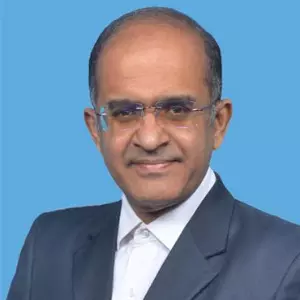
(Writer is a Professor of Media & Post Doctoral Fellow in AI, Data Journalism, Analytics and Media Entrepreneurship at Institute of Management & Commerce, Srinivas University, Mangalore)