How to Make Ghee from Malai at Home: A Simple 5-Step Guide

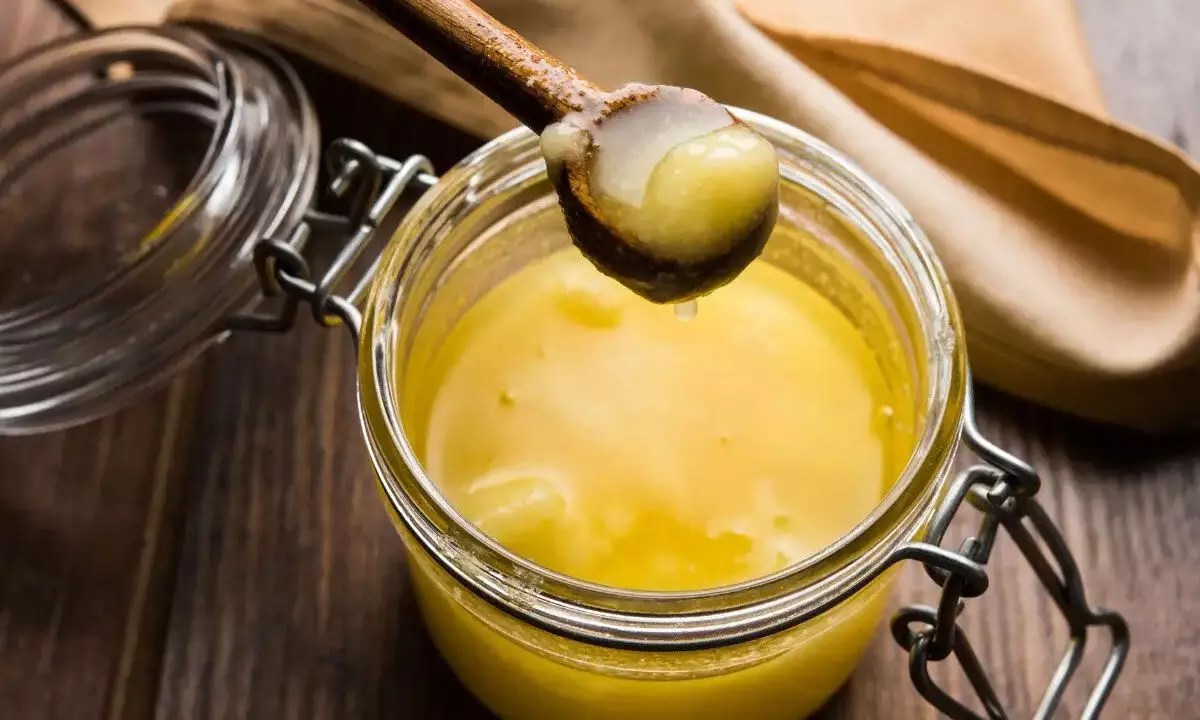
Discover a quick and easy 5-step method to prepare pure desi ghee at home using collected malai from boiled milk
Ghee holds a special place in Indian kitchens for its rich taste, delightful aroma, and health-enhancing properties. It adds depth to countless dishes—from traditional dals and curries to sweets and fried snacks. While store-bought ghee may contain additives or preservatives, preparing it at home ensures purity, better taste, and nutritional value.
If you’ve been collecting malai (cream) from boiled milk, don’t let it go to waste. You can easily turn it into wholesome, homemade desi ghee. This process not only minimizes food waste but also guarantees a more authentic product compared to many commercially available alternatives.
Here’s a straightforward 5-step guide to making pure ghee from collected malai, right in your own kitchen.
Step 1: Collect and Store Malai
Start by collecting the malai that forms on top of boiled and cooled milk. Each time you boil milk, skim off the malai and store it in a clean, airtight container. Keep this container refrigerated to prevent spoilage. Once you’ve gathered enough malai (roughly 500 grams or more), you can begin the ghee-making process.
Step 2: Churn the Malai into Butter
Take the chilled malai and transfer it to a blender. Add a small amount of cold water and churn until the butter separates from the liquid (buttermilk). If preferred, you can use a traditional hand-whisk or wooden churner (mathani) for this step. After the butter forms, strain and rinse it under cold water to remove any traces of buttermilk. This helps purify the butter and improves the ghee’s shelf life.
Step 3: Heat the Butter to Extract Ghee
Place the white butter (makhan) in a heavy-bottomed pan and begin heating it over low flame. Stir it occasionally to ensure even melting and to prevent sticking or burning. As the butter melts, it will start to clarify—milk solids will separate and sink to the bottom, while golden ghee rises to the top.
Step 4: Observe for Colour and Aroma
Continue heating for 10–15 minutes. You’ll notice the ghee developing a deep golden hue and releasing a rich, nutty fragrance. When the milk solids at the bottom turn brown and the ghee looks clear and aromatic, switch off the heat. Be cautious not to overcook, as it can affect the flavour and quality.
Step 5: Strain and Store the Ghee
Allow the ghee to cool slightly. Then strain it using a muslin cloth or a fine mesh sieve into a clean, dry glass or steel container. Discard the browned milk solids or use them in parathas or sweets if desired. Let the ghee cool fully before sealing the jar. Store your homemade ghee at room temperature in a dry place. It will stay fresh and flavourful for weeks without refrigeration.
Making desi ghee at home from malai is not only simple but also rewarding. It’s a sustainable way to use leftover cream and ensures a healthier alternative to processed store-bought ghee. With just a few basic steps, you can enjoy pure, aromatic, and nutritious ghee every day in your cooking.