Endogamy causing hereditary diseases, says CCMB study

Persistent practice of endogamy, which involves marrying within small communities, is the primary cause for population-specific hereditary diseases in India, a recent study by the researchers of the Centre for Cellular and Molecular Biology (CCMB), Hyderabad revealed.
Hyderabad: Persistent practice of endogamy, which involves marrying within small communities, is the primary cause for population-specific hereditary diseases in India, a recent study by the researchers of the Centre for Cellular and Molecular Biology (CCMB), Hyderabad revealed. The study was led by Dr K Thangaraj, CSIR Bhatnagar Fellow, CCMB.
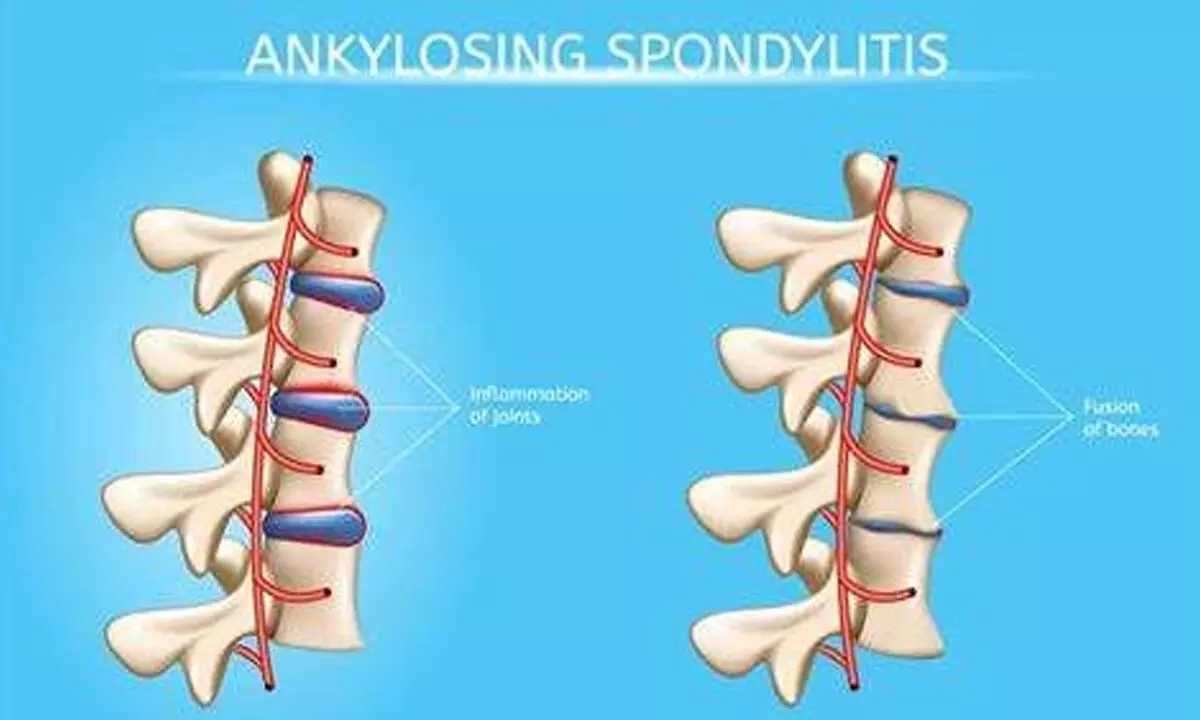
One of the key findings of this study, published in Journal of Genetics and Genomics, was identifying that the widespread prevalence of ankylosing spondylitis, a type of arthritis that causes inflammation in the joints and ligaments of the spine. The ailment is linked to the HLA-B27:04 risk allele, a genetic variant that increases the likelihood of developing a disease.
“We found a high incidence of ankylosing spondylitis disease in the Reddy community, who dwell in a specific geographical region of Andhra Pradesh”, said Dr Sarath Chandra Mouli Veeravalli, Rheumatologist from Krishna Institute of Medical Sciences, and one of the authors of this study.
The study also uncovered novel genetic variants associated with drug metabolism, with implications for personalised medicine, especially in response to some of the common drugs, such as tacrolimus (an immunosuppressive drug) and warfarin (an anticoagulant drug).
“We observed genetic variations in the genes that alter the drug response, which differ across populations, and hence provide opportunity for developing targeted drug and improving health outcomes”, said Dr Divya Tej Sowpati, co-author of the study. Dr Thangaraj said, “Our study forecasts the impact of endogamy in causing population-specific genetic diseases and drug responses. This emphasises the need for appropriate genetic screening, counselling and clinical care for the communities that are vulnerable to various health conditions.”
Dr Vinay K Nandicoori, Director, CSIR-CCMB, said that the study reveals a major step towards our understanding of the genetic underpinnings for India’s unique genetic architecture.