National brainstorming session tackles evolving threats of Naxalism in India


Experts and activists explore ideological shifts and tribal impact at Osmania University
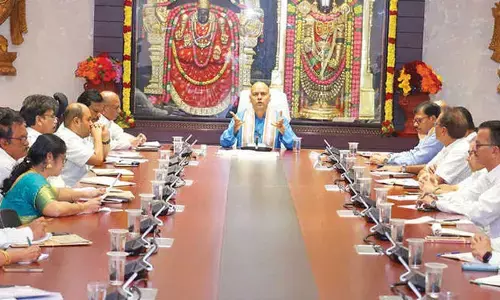
Hyderabad: In a thought-provoking initiative aimed at dissecting the evolving threat of Naxal violence, the Martius Memorial Research Institute (MMRI), Telangana, convened a one-day national brainstorming session titled “Naxal Massacre – Brainstorming” at PGRRCDE Auditorium, Osmania University on Friday.
The session brought together law enforcement veterans, legal experts, journalists, and social workers to critically examine the historical roots and shifting patterns of Naxal extremism in India. Notably, discussions emphasised the transition from traditional forest-based guerrilla tactics to the emergence of so-called urban Naxals embedded within intellectual and political circles.
Among the key speakers, retired ASP Panuganti Chandramouli shared first-hand experiences and insights from ground operations. Senior Advocate Surender Rao analysed legal tools and constitutional challenges. Senior Journalist Suresh Kochatil has provided media perspectives on ideological narratives. While social worker Masadi Bapurao highlighted tribal exploitation and misinformation, Sai Krishna (CEO, NHTV) spoke on the role of digital intelligence and civic education.
Balakrishna of ABVP addressed the youth mobilisation against extremist ideologies.
MMRI General Secretary Ranjit Mohan, in his opening remarks, stressed the need to distinguish facts from ideological propaganda, stating, “It’s time to rethink how tribal communities are engaged—not as tools for ideological warfare, but as citizens needing empowerment.”
The event underscored the urgency of re-evaluating policies and public discourse surrounding Naxalism, especially its urban variants. It also called for enhanced grassroots awareness, responsible intellectual engagement, and informed governance to tackle this multifaceted challenge.
The brainstorming session concluded with a collaborative declaration advocating for strategic, ethical responses and community-driven resistance to extremist exploitation, marking a pivotal moment in India's internal security discourse.