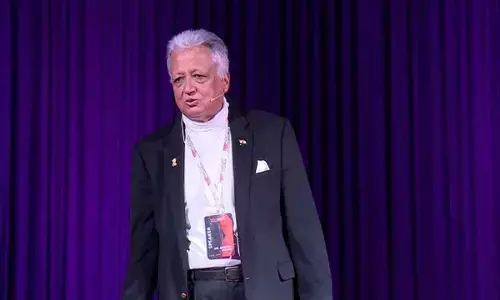
Arm Taps Amazon’s AI Chip Veteran Rami Sinno to Power Its Bold Chipmaking Leap

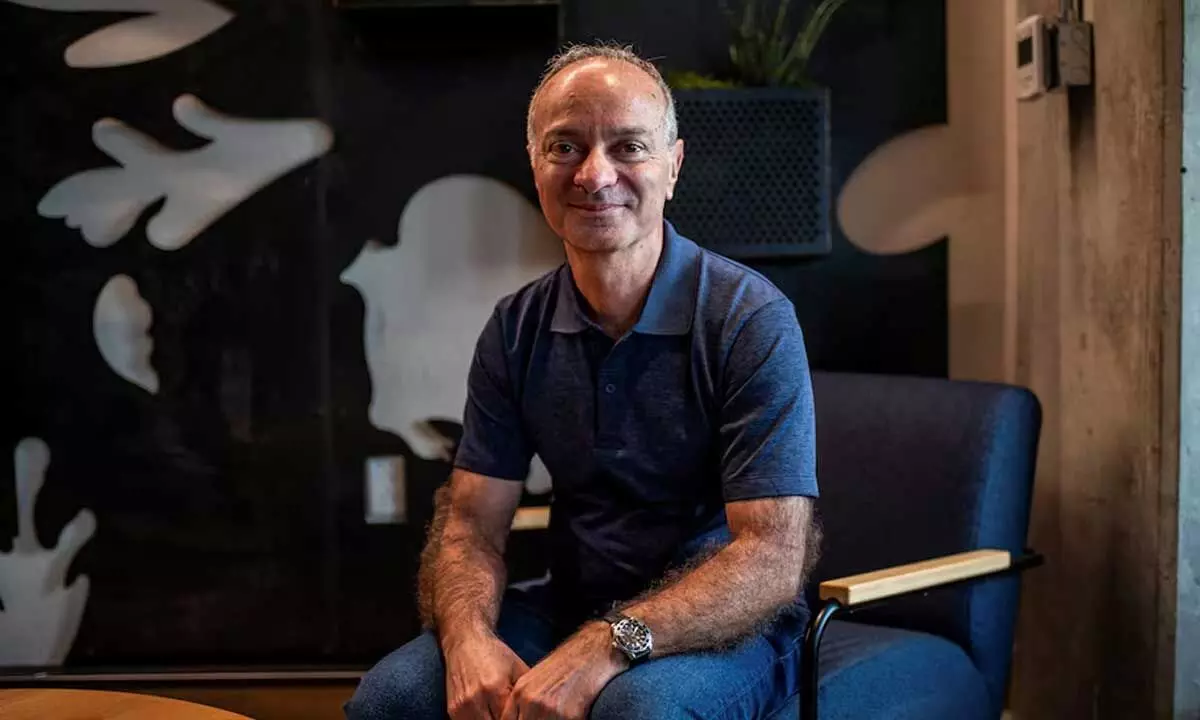
Arm hires Amazon AI chip guru Rami Sinno, signaling a bold shift from licensing to full-fledged chip and systems development
Arm Holdings has taken a decisive step in reshaping its future by hiring Rami Sinno, Amazon’s former director of AI chip development. Sinno, who played a pivotal role in designing Amazon’s Trainium and Inferentia processors, joins Arm at a time when the company is preparing to evolve from a chip design powerhouse into a full-scale chipmaker.
According to an exclusive Reuters report, Sinno’s move underscores Arm’s ambition to expand its role in the semiconductor industry. At Amazon, Sinno was instrumental in building custom processors aimed at powering large-scale artificial intelligence applications—direct rivals to Nvidia’s graphics processing units, which dominate today’s AI market. His expertise in developing cutting-edge AI chips could be critical to Arm as it looks to carve out a place in this fiercely competitive sector.
Traditionally, Arm has thrived on licensing processor architectures and instruction sets that underpin products made by industry giants like Apple, Nvidia, and Qualcomm. This approach has cemented its position as the backbone of the global smartphone industry and has increasingly made it a serious contender in data centers. However, Arm is now signaling a broader ambition.
In July, the company revealed plans to reinvest profits into building its own chips and components. Chief executive Rene Haas has also hinted at the possibility of developing chiplets—specialized components that can be pieced together into larger systems—as well as complete chips for end-to-end solutions. This shift represents more than just a business adjustment; it is a strategic evolution designed to capture greater value from the rapidly growing semiconductor market.
Hiring Sinno aligns with this new vision. At Amazon, he helped develop chips that not only reduced reliance on Nvidia but also offered cost-effective performance for AI workloads. Bringing that knowledge into Arm could accelerate its entry into AI-focused semiconductors, an area currently dominated by tech titans with massive R&D budgets.
Arm’s recruitment drive doesn’t stop with Sinno. Earlier this year, the company also brought in Nicolas Dube, a former Hewlett Packard Enterprise executive with expertise in large-scale systems design, and Steve Halter, a veteran engineer from Intel and Qualcomm. These strategic hires paint a clear picture: Arm is building a leadership bench capable of delivering full-fledged processors rather than serving only as a blueprint supplier.
The shift is not without challenges. Nvidia continues to set the standard in AI chips, while companies like Amazon, Google, and Microsoft are also ramping up their in-house chip efforts. For Arm, breaking into this space will require not just technical innovation but also the ability to compete on cost, scale, and ecosystem support.
Still, the company’s stronghold in mobile processors, coupled with its growing presence in server technology, provides a solid foundation for the next phase. With Sinno and other top industry veterans onboard, Arm appears ready to transform from an intellectual property supplier into a formidable force in chipmaking.