Aspirants ambushed: Telangana’s quota rethink crushes myriad hopes

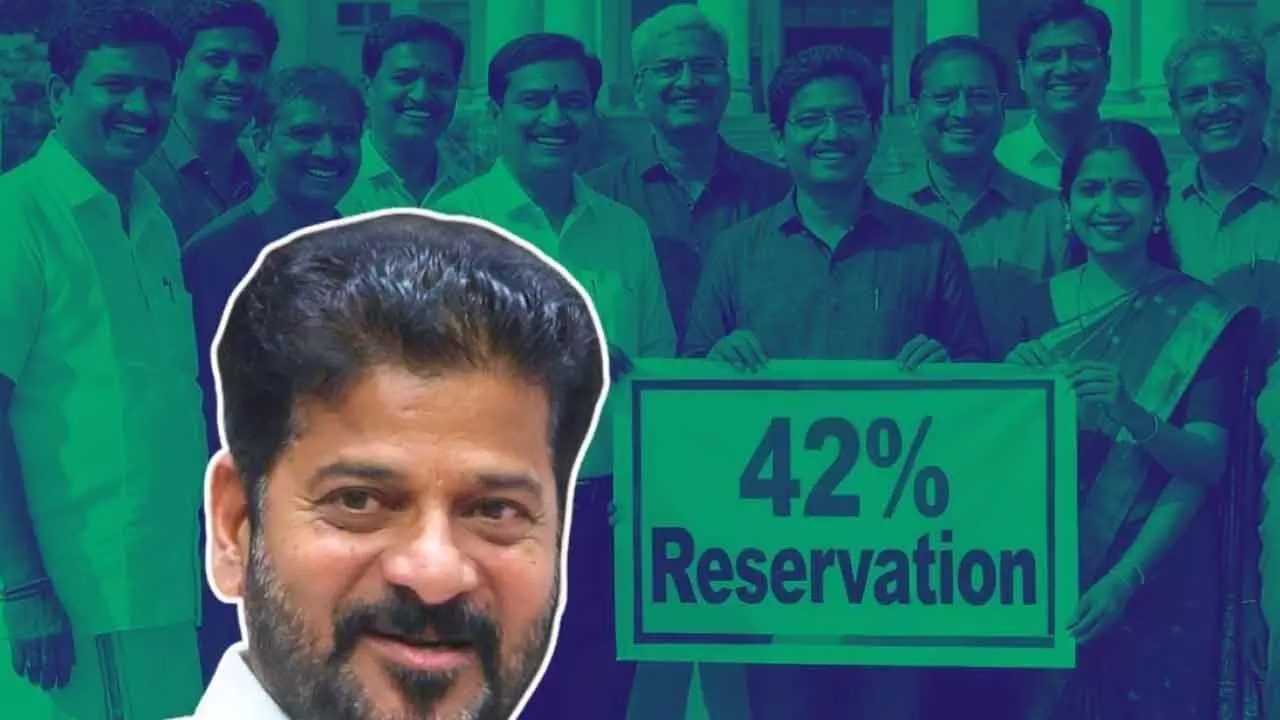
The declaration, which boosts quotas for Backward Classes to 42 per cent in panchayats and urban local bodies, has transformed what was expected to be a routine poll process into a high-stakes drama of inclusion versus exclusion, reshaping grassroots leadership overnight.
In a stunning turn of events that has upended the political calculus in Telangana, the state government’s announcement of enhanced reservations for local body elections has left a trail of shattered ambitions. Probables presumed destined for victory have bitten the dust, hopefuls find themselves unceremoniously sidelined, aspirants stand astonished at the swift reconfiguration of the electoral landscape, and even seasoned analysts are caught off guard by the boldness and timing of the move.
The declaration, which boosts quotas for Backward Classes to 42 per cent in panchayats and urban local bodies, has transformed what was expected to be a routine poll process into a high-stakes drama of inclusion versus exclusion, reshaping grassroots leadership overnight. The core of the surprise lies in the sheer scale and speed of the implementation. Just days ago, on September 26, the government issued an order that elevates the total reservation to 67 per cent—encompassing 42 per cent for BCs, alongside existing allocations for Scheduled Castes and Tribes. This pushes beyond the conventional 50 per cent ceiling long upheld by judicial precedents, invoking special provisions and drawing parallels to other states’ experiments.
For months, whispers of quota hikes circulated in political corridors, fuelled by a comprehensive caste survey that highlighted BCs’ demographic dominance yet persistent underrepresentation. But the abrupt rollout, amid looming election deadlines set by the High Court, caught many unprepared. Aspirants who had been campaigning subtly, building coalitions in villages and wards, woke up to find their targeted seats reclassified under the new roster system. What was once an “open” category opportunity has evaporated, forcing recalibrations or outright withdrawals.
At the heart of this upheaval are the everyday hopefuls—local influencers, young professionals, and community elders—who view these elections as entry points to public service. In districts like Warangal, Khammam, and Nalgonda, where BC populations are significant, the impact is profound.
Imagine a small-town entrepreneur who has invested time and resources rallying support for a sarpanch position, only to learn that the seat is now reserved for a specific sub-caste.
Such stories are proliferating: a retired teacher in Hyderabad’s outskirts, poised to contest as an independent, expressed bewilderment at the sudden shift, noting how months of groundwork now seem futile exercises. Women aspirants face compounded challenges, navigating the interplay of gender and caste quotas, where general category slots dwindle further. The rotational nature of reservations, designed to ensure fairness over cycles, instead amplifies the shock—previous open seats flipping to reserved ones without ample warning. Analysts, who anticipated a more gradual rollout pending legislative nods, admit underestimating the government’s resolve to push through despite legal grey areas.
The astonishment extends to political parties, which must now scramble to realign candidate lists. For the ruling Congress, this fulfils a manifesto pledge, potentially consolidating BC support ahead of the polls.
Chief Minister A Revanth Reddy’s administration positions it as a step toward equitable empowerment, backed by data showing BCs’ lag in education and employment. Yet, the move has ignited backlash from general category groups, who decry it as discriminatory and hasty. BRS and BJP label it “quota overreach,” arguing it prioritizes vote banks over merit. In rural mandals, where elections hinge on personal networks rather than ideology, sidelined hopefuls are contemplating alliances or protests, potentially fragmenting voter bases. Even within BC communities, there’s nuance: while leaders celebrate the hike, sub-caste allocations could spark internal rivalries, as not all groups benefit equally.
The surprise among analysts stems from the broader implications for democratic processes. Local bodies, handling everything from water supply to road maintenance, thrive on diverse representation. With the decision to reduce general seats, the policy risks alienating a segment that has ben driving local initiatives. Economically stable aspirants, often from forward castes, bring resources and expertise; their exclusion could slow development in non-reserved areas. Moreover, the timing—coinciding with a High Court mandate to hold overdue elections by month’s end—adds urgency. Petitions challenging the order’s constitutionality are already in court, with judges questioning the bypass of pending approvals. If upheld, this could set a national precedent, encouraging similar escalations elsewhere, but a reversal might delay polls further, prolonging administrative vacuums.
Yet, amid the dismay, there’s an undercurrent of necessary reform. Reservations have long been India’s tool for correcting historical inequities, and Telangana’s demographics justify amplification.
To soften the blow on aspirants, suggestions float for transparent pre-announcement rosters or hybrid models blending merit with quotas. As notifications roll out, possibly today, the focus shifts to adaptation: sidelined hopefuls might pivot to supporting roles or wait for future cycles. Analysts predict a more polarized electorate, with turnout reflecting both enthusiasm from empowered groups and apathy from the disillusioned.
In essence, this announcement underscores the double-edged sword of affirmative action—uplifting the marginalized while inadvertently “dumping” others’ dreams. As Telangana braces for what could be its most contentious local polls, the astonished aspirants serve as a reminder: in the quest for social justice, the human cost of sudden shifts cannot be ignored.
The dust may settle, but the sidelined hopefuls’ stories will echo, urging for a more balanced path forward.