Nepal Bans 26 Social Media Platforms: Gen Z Leads Massive Protests

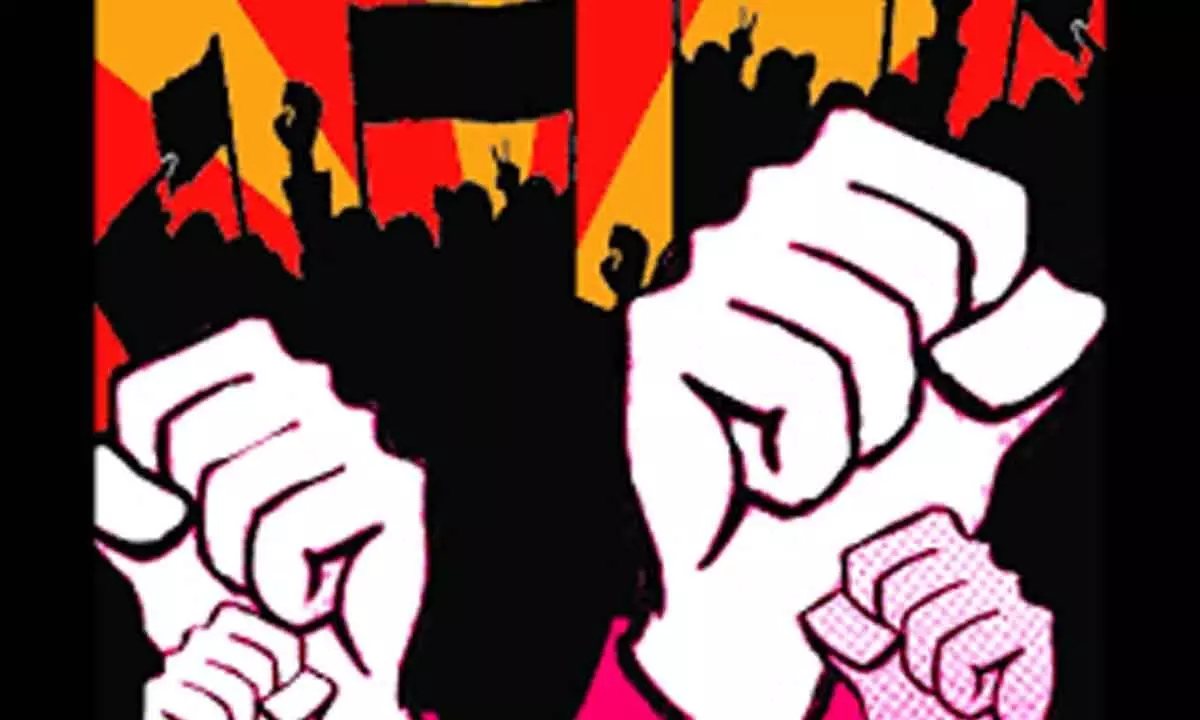
Nepal has banned 26 social media platforms, including Facebook, WhatsApp, and Twitter. Gen Z is leading protests in Kathmandu, clashing with police over the government’s move, which critics call censorship.
Social media has become an integral part of people's lives, particularly for Gen Z. People use social media to connect, entertain, express, learn, and stay updated. It has become very difficult to live without these platforms.
Despite its penetration into every nook and corner of the world, Nepal has announced a ban on 26 social media platforms.
The decision by Nepal’s government is drawing widespread criticism from its citizens. Gen Zers have raised serious objections, protesting against the move of the KP Sharma Oli government.
People are staging protests near Parliament, raising slogans against the government. In response, police opened fire, leading to the death of one protester and injuries to 80 others. Youngsters in huge numbers thronged Kathmandu, pulling down barricades to gain access to restricted areas near Parliament.
These incidents forced the government to impose a curfew near Parliament and in other important areas of the capital.
Gen Zers are spearheading a massive protest in Nepal against corruption in the KP Sharma Oli government and its recent move to ban 26 social media platforms. What began online spilled onto the streets on Monday, with demonstrators clashing with police near Parliament. Security forces opened fire, leaving one protester dead and more than 80 others injured.
Thousands of young protesters flooded Kathmandu in what has been dubbed the “Gen Z Revolution.” Many breached restricted zones, breaking through police barricades. As the clashes escalated, police opened fire at multiple locations, prompting authorities to impose a curfew in the capital.
Nepal banned 26 social media platforms on September 4, including Facebook, Twitter, WhatsApp, and YouTube. The government attributes the ban to companies failing to register with the Ministry of Communications and Information Technology, but protesters see it as censorship aimed at silencing criticism.
Even as many oppose the move, Prime Minister KP Sharma Oli has defended his decision to ban the platforms. He said it is about protecting national sovereignty and dignity, and that any company failing to register is disrespecting the constitution.