Private operators to manage water supply

New Delhi: In a major step toward reforming Delhi’s water supply system, the state government has announced a new policy that divides the capital into eight water service zones, each to be managed by a private operator. The move, aimed at improving efficiency, reducing water loss, and ensuring 24x7 supply, has sparked some criticism, with concerns about the potential privatization of water services.
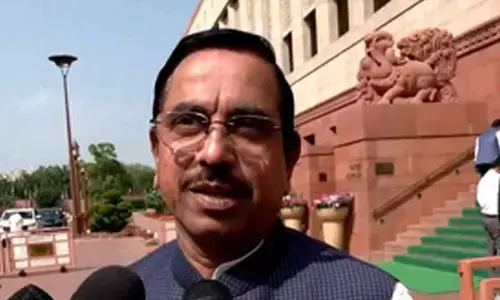
However, Delhi Water Minister Pravesh Verma has firmly dismissed such claims, stating that the initiative is not about privatizing water, but about introducing accountability and operational efficiency into a system long plagued by inefficiencies and leakages. Verma clarified that all matters related to water tariffs, billing, and regulatory control will continue to remain under the Delhi Jal Board (DJB), and private operators will only be tasked with technical and operational responsibilities such as distribution, maintenance, leak detection, meter reading, and customer service.
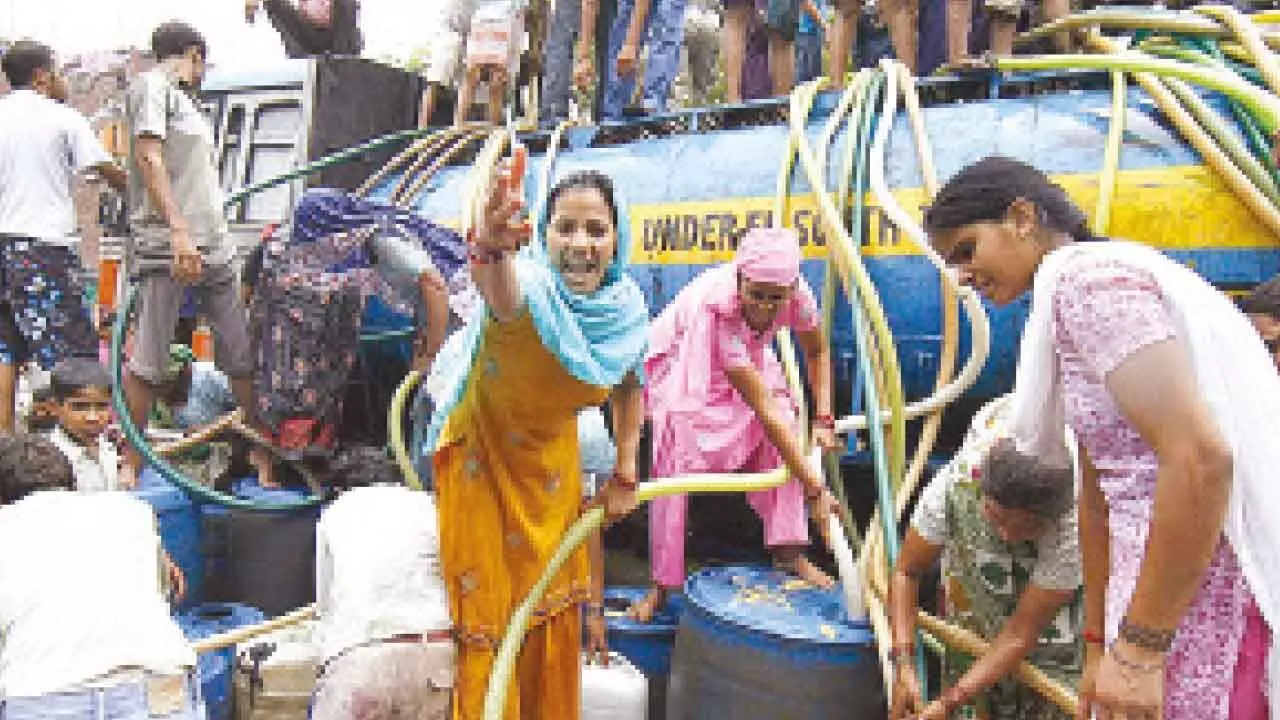
The new model, based on the principle of "one zone, one operator," mirrors the city’s existing electricity distribution setup, where specific areas are managed by designated companies to ensure better accountability. At present, Delhi suffers from a fragmented water supply system, which has led to inconsistent service, frequent leaks, and customer complaints.
To address these issues, the government has planned to launch the scheme on a pilot basis in the Wazirabad zone, which serves a population of over 31.6 lakh. If successful, the scheme will gradually be extended to the remaining seven zones. The DJB will continue to be responsible for bulk water procurement, purification, and overall monitoring of the private operators working in the field.
Delhi’s water infrastructure is under immense stress. The city has a 15,600 km-long water pipeline network, of which nearly 2,800 km is over 30 years old. This aging infrastructure results in significant water loss—around 50% of treated water is wasted due to leakage, theft, or unmetered usage. Compounding the problem is the low registration rate of water connections.
Although Delhi has a population of more than 2.15 crore, only 29 lakh water connections are officially registered, suggesting that a large number of consumers are accessing water without authorization. This not only results in revenue losses but also disrupts water pressure and quality across the network.
According to the Delhi Jal Board, the city needs about 935 million gallons of water per day (MGD), but actual supply capacity is severely limited, making it essential to plug losses and streamline operations.
Water Minister Verma emphasized that the reform will not lead to any increase in water rates nor will it change the public ownership of water services. The move, he said, is purely aimed at improving service delivery, reducing wastage, and ensuring a fair, transparent, and accountable water supply mechanism for all citizens. He stressed that water will remain a public good, and private operators will function only under the supervision and direction of the Delhi Jal Board. The operators will be contractually bound to meet service-level standards and their performance will be regularly audited.