India and Philippines broaden deepen ties with an eye on China

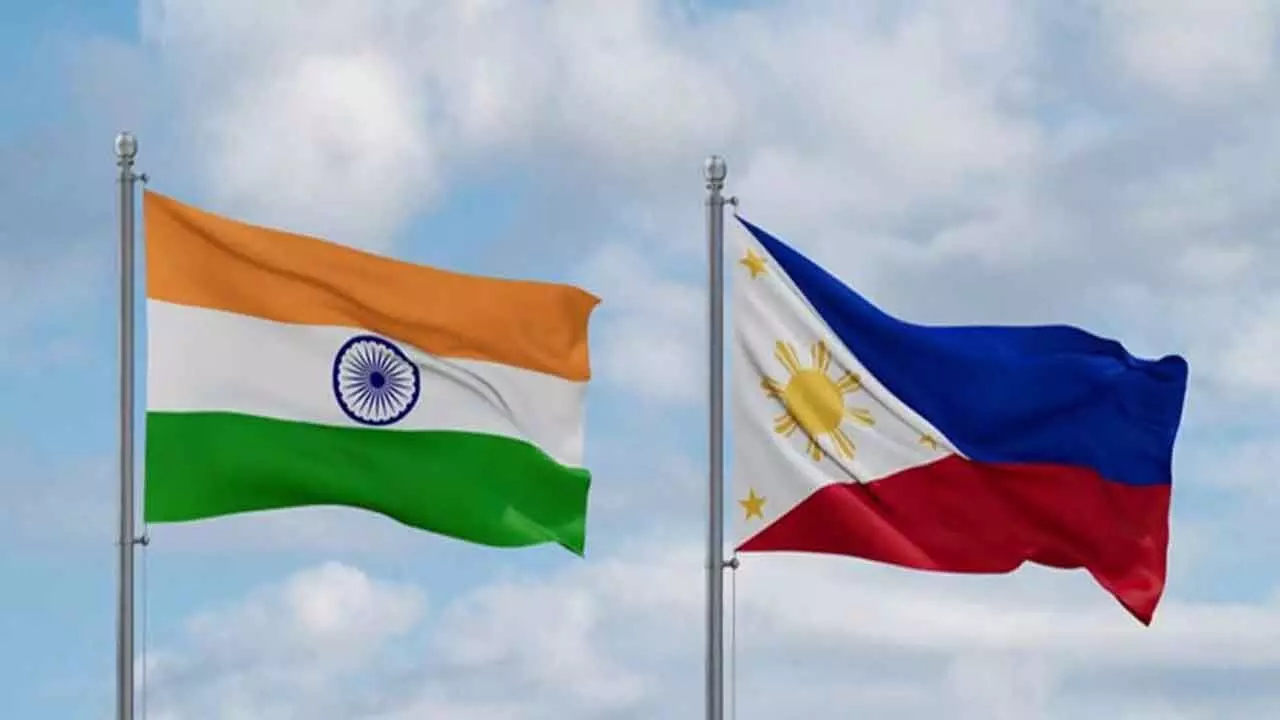
India’s growing engagement with Philippines marks a substantive milestone in its regional diplomacy and defence outreach, one that promises wide-ranging strategic and economic ramifications. The relationship between the two nations has now been elevated to a strategic partnership, signalling a clear intent to broaden cooperation beyond traditional areas and anchor it firmly in the realms of defence, maritime security, and emerging technologies. The upgrade manifested itself during Philippine President Ferdinand Marcos Jr’s visit to Delhi, where he and Prime Minister Narendra Modi held comprehensive discussions that were aimed at shaping the future of bilateral ties. The leaders reviewed the state of the relationship across multiple domains and agreed to prioritise defence and maritime collaboration, a natural outcome of their shared concerns about the evolving security environment in the Indo-Pacific, particularly in the South China Sea. Both countries, which have consistently championed the principles of a rules-based order, see greater synergy in addressing common challenges that stem from rising assertiveness in regional waters.
Both feel threatened by China. A significant part of the dialogue centred on weapons procurement and joint military exercises. India, which has rapidly expanded its defence production capacity in recent years, is positioning itself as a credible partner to meet the modernisation needs of Philippines. The two discussed prospects for joint naval drills and closer operational coordination between their armed forces, reflecting a shift towards deeper interoperability. The visit also coincided with the 75th anniversary of diplomatic ties, adding symbolic weight to the substantive agreements under discussion. Looking ahead, six new agreements are set to be finalised, covering areas such as trade facilitation, digital transformation, and developmental cooperation. India has committed to expanding its development projects in the Philippines, with a particular focus on infrastructure, healthcare, and education, while also exploring ways to boost bilateral trade, which remains well below potential. Digital cooperation is emerging as a promising frontier, with India offering its expertise in fintech, e-governance and start-up ecosystems to complement Philippines’ growing digital economy. Parallel to these diplomatic advances, India is undertaking a major upgrade of its own defence capabilities.
The Defence Acquisition Council (DAC) recently cleared modernisation proposals worth Rs 67,000 crore, underscoring New Delhi’s resolve to strengthen its military posture while promoting indigenous production. Among the headline approvals are the procurement of 87 armed Medium Altitude Long Endurance (MALE) drones and over 110 BrahMos supersonic cruise missiles. The MALE drones, designed for long-endurance surveillance and precision strikes, will be produced with 60 per cent indigenous content, aligning with India’s Atmanirbhar Bharat initiative. These drones are intended to significantly enhance the capabilities of the Army, Navy, and Air Force, offering greater situational awareness and operational flexibility across India’s vast and diverse theatres of operation. The BrahMos missiles, to be deployed on Sukhoi-30MKI fighter jets, will provide a substantial boost to the Indian Air Force’s strike power, particularly in maritime roles where long-range precision capability is critical. Together, these steps reflect a broader strategic vision: India is not merely strengthening its defence for deterrence but also positioning itself as a reliable security provider and defence partner in the Indo-Pacific. Its growing collaboration with the Philippines fits squarely within this framework, as New Delhi seeks to build resilient networks of likeminded countries to ensure regional stability and uphold the principles of sovereignty and freedom of navigation.