
The unseen tapestry: A journey into tribal voices
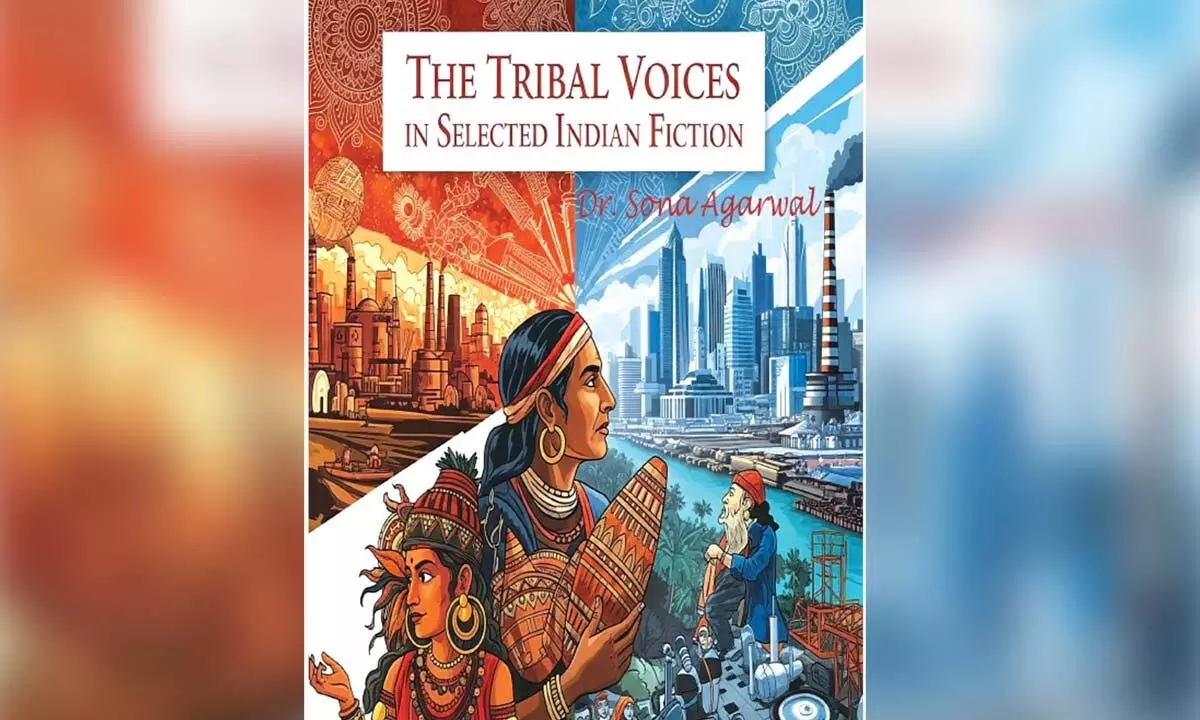
‘The Tribal Voices in Selected Indian Fiction’ is a profound and essential work that delves deep into the rich, yet often overlooked, world of tribal cultures. It is not a dry academic text; instead, it is a living tapestry woven from the stories, struggles, and wisdom of indigenous people from different parts of India. The author, Dr. Sona Agarwal, masterfully steps aside, allowing the tribal voices to speak for themselves—unfiltered and raw.
Since time immemorial, their stories have been told through a lens that was either overly romanticised or condescending. This book cuts through that, addressing the real-world social and political issues that tribal people face. Mainstream society has often failed to see these vibrant and culturally rich communities as unique, instead attempting to subsume them under a single, dominant idea of “Indian civilisation.”
The book begins by painting a clear picture of tribal culture, celebrating its warmth, deep connection to the natural world, and strong sense of community. But it does not linger in this idyllic space for long. It quickly shifts to examine how outside forces have eroded these societies. Readers witness a long history of marginalisation—from being displaced by traders and armies to the massive changes imposed on their way of life by both Hinduism and Christianity.
What makes this study so powerful is how it weaves its arguments through the analysis of selected literary works. Using books like Gopinath Mohanty’s Paraja and Mahasweta Devi’s Bashai Tudu, it portrays the deep pain of being forced from ancestral homes.
It challenges the idea of “national development,” showing how this so-called progress has often been disastrous for tribal communities, costing them their land and leading to desperate, radical movements. The book also explores the struggle for identity through works like Narayan’s Kocharethi, which shows the consequences when the pressures of the modern world clash with tradition.
One of the most fascinating parts of the book is its focus on eco-feminism. Using Maitreyi Pushpa’s Alma Kabutari, it highlights the deep connection between the oppression of women and the destruction of nature. The book argues that tribal worldviews, which perceive humanity and nature as an interdependent whole, offer a powerful counter-narrative to the destructive dualisms of patriarchal culture. It also celebrates the rich history of tribal storytelling, myths, and rituals, reminding us that these priceless traditions are now in danger of being lost to a world driven by money.
In short, ‘The Tribal Voices in Selected Indian Fiction’ is an incredibly important book. It blends literary criticism with history and social theory to provide a sharp and compassionate look at past and present injustices. The study successfully argues that despite constitutional guarantees and promises of development, India’s tribal communities continue to face exploitation and systemic inequality. It is an essential read for anyone seeking to understand the politics of representation and the enduring struggle of indigenous peoples to have their voices heard, their land respected, and their unique identity preserved in the face of relentless change.








