Engineering Scalable Data Futures Through Cloud Innovation

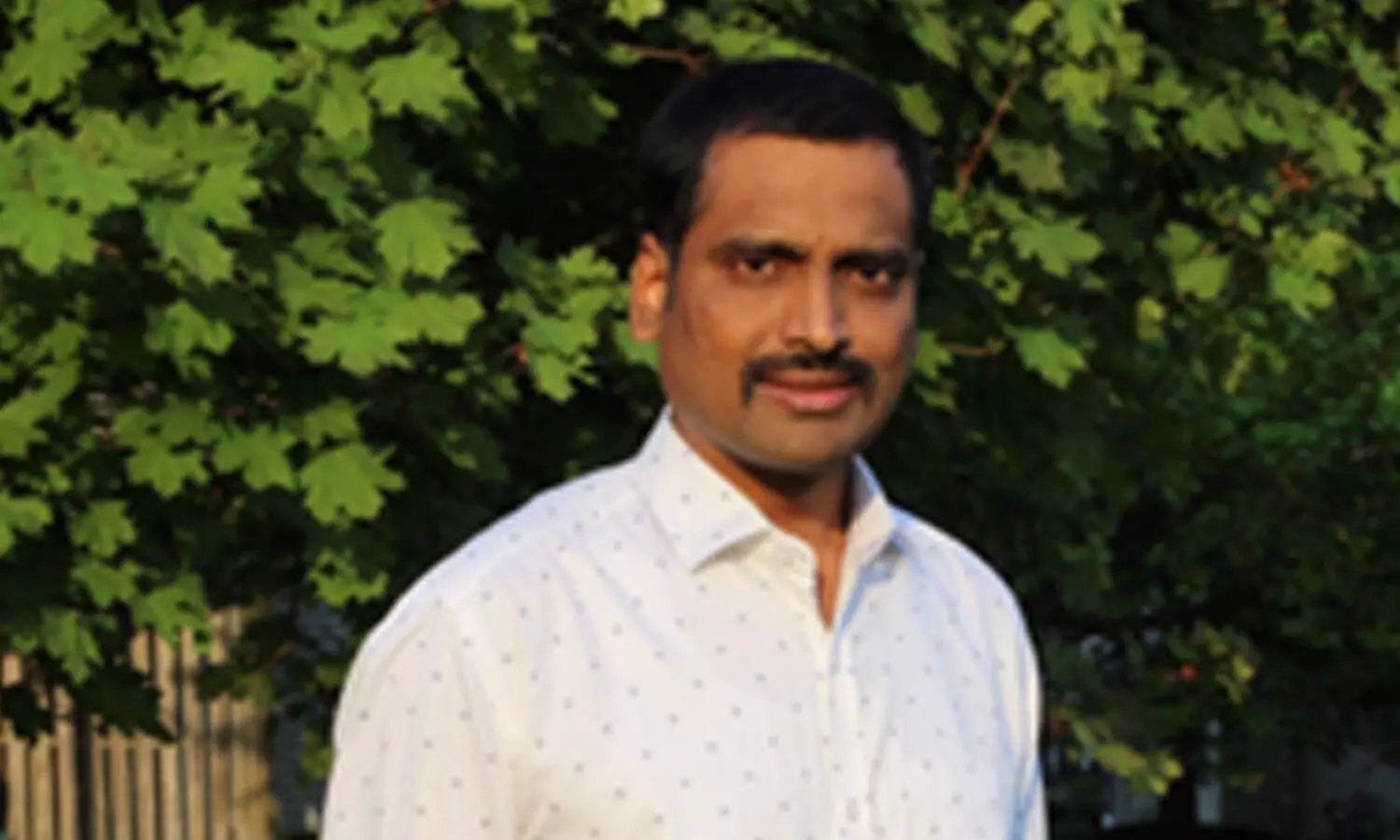
Sunil Gudavalli spoke about his passion for transforming raw data into meaningful insights and how his career evolved into designing cutting-edge data systems in the cloud. With a future-focused mindset, he emphasizes automation, real-time processing, and continuous learning as key pillars of modern data engineering
With over 14 years of experience in data systems and cloud architecture, Sunil’s journey into data engineering was fueled by a deep interest in solving complex challenges. “I’ve always been fascinated by the potential of turning raw data into actionable insights,” he said. As enterprises began generating massive volumes of data, he saw the cloud as a way to scale and innovate efficiently.
Sunil’s pipeline design process starts with understanding the business outcome. “Every pipeline must be tied to a clear business objective,” he explained. Whether enabling real-time analytics or supporting machine learning models, he maps out data sources, transformation needs, and the appropriate technologies—choosing from Kafka, Spark, or Snowflake depending on the case.
One of his most challenging projects involved migrating legacy on-prem systems to the cloud without any disruption. “We had to run parallel systems and build custom data validation frameworks,” he said, highlighting the importance of phased execution and collaboration with both business and technical teams. By optimizing cloud-native components, the team ensured a seamless, high-performing solution.
Ensuring data quality and governance is a central part of Sunil’s strategy. “You have to implement controls at every layer—ingestion, transformation, and consumption,” he emphasized. He uses schema validation, business rule checks, and automated monitoring to catch issues early. Data lineage, access controls, and metadata management are also essential to meet governance and compliance goals without limiting usability.
To keep pace with evolving technologies, Sunil carves out time weekly to explore new tools and frameworks. “Certifications, community involvement, and hands-on experimentation are my key strategies,” he said. He believes working on real-world personal projects offers deeper insight than just reading documentation.
In terms of tools, he’s found Apache Spark, Snowflake, Airflow, Kafka, and Terraform to be consistently effective. “There’s no silver bullet—success lies in assembling the right mix based on the business need,” he noted.
Looking ahead, Sunil sees data engineering evolving toward real-time processing, serverless architecture, and data mesh models. “We’re moving toward integrated, intelligent systems where automation and agility will define success,” he said. To stay future-ready, he’s expanding into machine learning engineering, adopting DataOps, and deepening his understanding of domain-driven design—always anchored in adaptability and business value.