Modi And Putin Hold Bilateral Talks Following Joint Journey At Shanghai Cooperation Summit

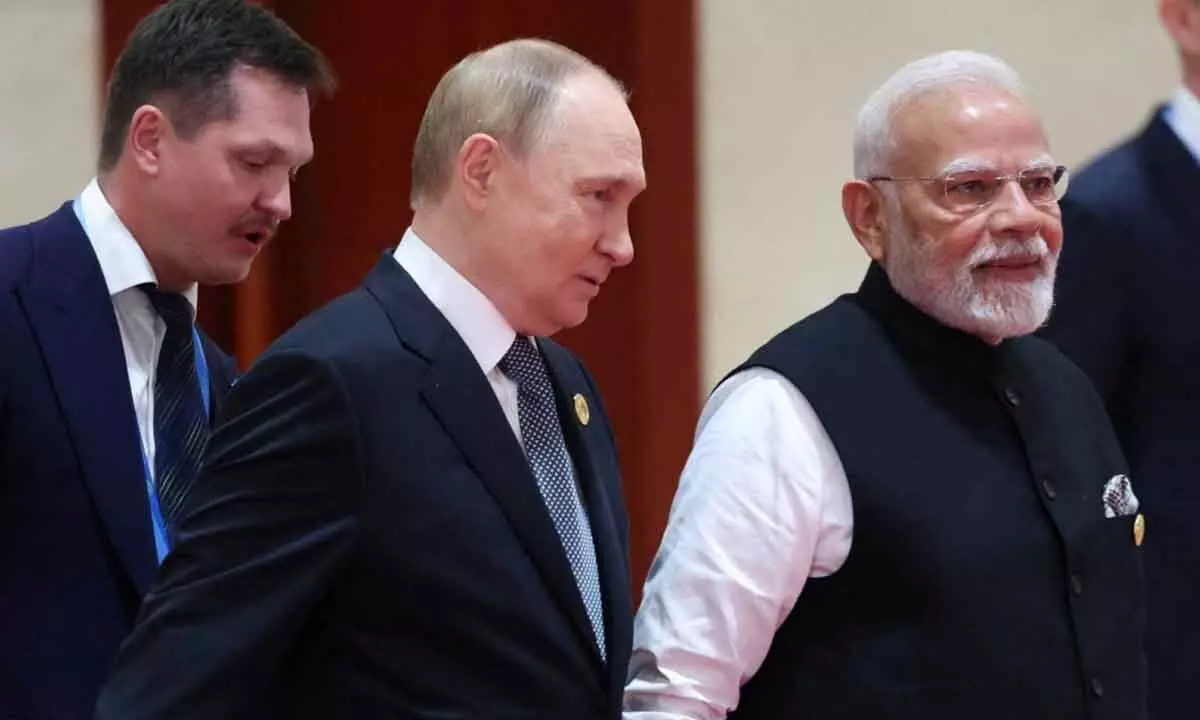
PM Modi and Russian President Putin conduct bilateral meeting at SCO Summit 2025 in Tianjin, China, discussing trade, defense and energy cooperation amid global geopolitical tensions.
Prime Minister Narendra Modi and Russian President Vladimir Putin commenced their bilateral discussions on Monday following a symbolic joint car ride to the meeting venue during the second day of the Shanghai Cooperation Organisation Summit in Tianjin, China.
The high-profile meeting between the two leaders occurred after Modi delivered a comprehensive address to the summit's plenary session, where he emphasized regional cooperation while addressing critical security challenges including terrorism and regional stability concerns. Putin also presented his perspectives during the session, contributing to the multilateral dialogue among major Eurasian powers.
The summit has showcased notable displays of diplomatic cooperation among world leaders, with Modi, Chinese President Xi Jinping, and Putin demonstrating unified approaches to regional challenges despite underlying global tensions. The gathering brings together representatives from major Eurasian nations to address pressing issues including regional security frameworks, trade expansion, and evolving geopolitical alignments.
Modi's participation in the summit marks his first visit to China in seven years, representing a significant diplomatic engagement between the two Asian giants. Prior to the Putin meeting, Modi held substantive discussions with President Xi Jinping, focusing on rebuilding bilateral trust through mutual respect and emphasizing the critical importance of maintaining peace along their disputed border regions. This encounter built upon their previous interaction during the 2024 BRICS summit held in Kazan.
The Modi-Putin bilateral agenda encompasses multiple strategic areas including trade enhancement, defense cooperation, and energy partnerships. The discussion assumes particular significance given recent international pressures surrounding India's continued purchases of Russian oil, which have drawn criticism from Western nations and contributed to recent US tariff impositions on Indian goods.
Both leaders are expected to explore mechanisms for strengthening their strategic partnership while navigating complex international dynamics. The meeting will likely address Putin's anticipated visit to India later this year, which would further cement the longstanding relationship between the two nations despite global geopolitical pressures.
The Shanghai Cooperation Organisation Summit provides a crucial platform for these nations to coordinate their approaches to regional challenges while demonstrating alternatives to Western-dominated international frameworks. The organization's focus on security cooperation, economic integration, and cultural exchanges offers member states opportunities to strengthen multilateral ties independent of traditional alliance structures.
The timing of these high-level engagements coincides with significant global shifts in international relations, including evolving US-China dynamics and ongoing tensions related to various regional conflicts. The summit allows participating nations to present unified positions on key international issues while pursuing bilateral cooperation opportunities.
Modi's diplomatic schedule in Tianjin represents a continuation of India's multi-alignment foreign policy, maintaining strategic relationships with major powers while protecting national interests. The summit outcomes will likely influence regional cooperation frameworks and provide insights into how major Asian powers plan to navigate increasingly complex global challenges in the coming months.