Bandipur implements FASTag for green tax collection to ease weekend traffic woes

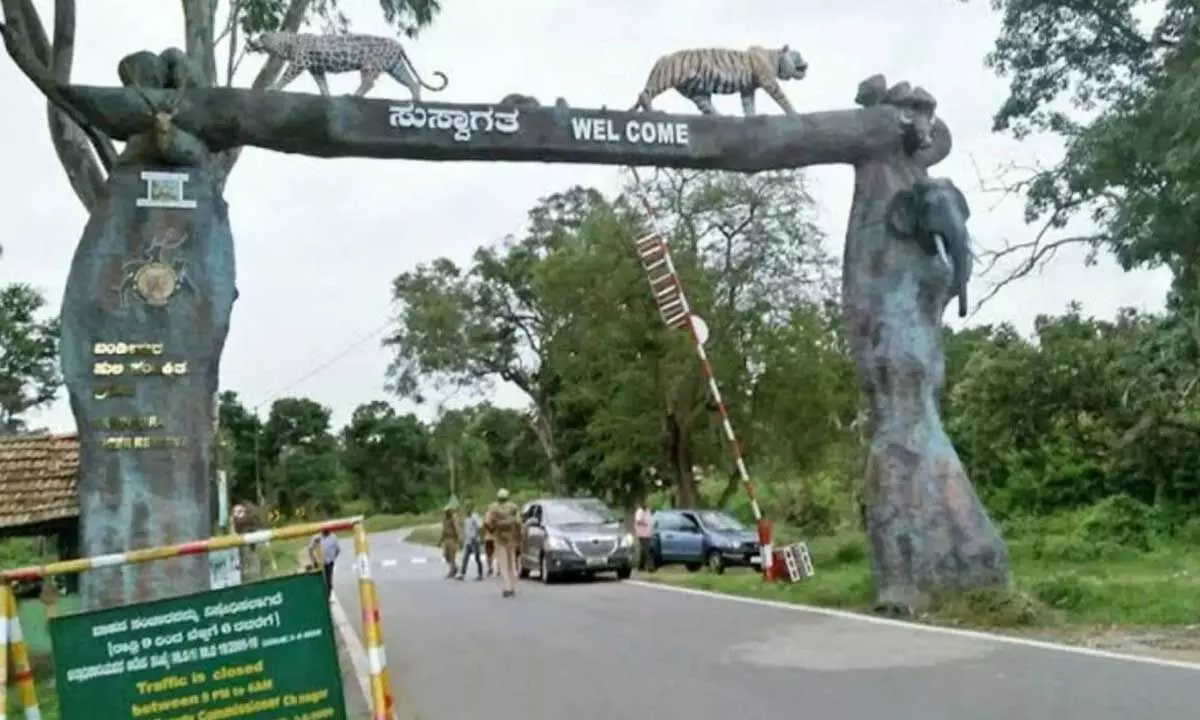
In a bid to tackle heavy weekend traffic congestion, the Forest Department has introduced FASTag-based green tax collection for vehicles passing through the Bandipur Tiger Reserve.
Chamarajanagara: In a bid to tackle heavy weekend traffic congestion, the Forest Department has introduced FASTag-based green tax collection for vehicles passing through the Bandipur Tiger Reserve. This move aims to eliminate long queues that previously plagued the check posts, especially during weekends and holidays. The FASTag system has been experimentally launched at three key locations—Melukamanahalli, Kekkanahalli, and Maddur check posts—along National Highways 67 and 766. Vehicles heading towards Kerala and Ooty through Bandipur will now be able to pay the green tax digitally, drastically cutting down waiting times at check posts. The department collecting rs 20 from light vehicles and rs 50 from heavy vehicles .The tax is collected to support forest maintenance, accident management, and waste disposal in the protected area. Previously, manual ticketing caused kilometer-long traffic jams. Tourists often waited over an hour to pay the green tax, during which vehicles would remain stationary within the forest area, disturbing wildlife. Some tourists even used the delays to step out, click photos, or feed animals—posing a danger to both themselves and the animals. Weekends and holidays see up to 4,000 vehicles passing through Bandipur, putting tremendous pressure on the check posts. With only one or two officials issuing tickets, delays were inevitable. This also disrupted the movement of essential vehicles carrying milk and vegetables and inconvenienced local commuters.
The introduction of fastag would enable Vehicles can clear the check post within minutes,eliminates cash handling, ensuring a clear record of payments and reduces vehicle idling inside the forest, limiting animal disturbances.
The new system has already provided some relief, significantly reducing congestion during peak travel times. Authorities plan to fine-tune the process based on feedback from the pilot phase, with full-scale implementation expected soon.
The initiative marks a crucial step in balancing tourism needs with environmental conservation at one of Karnataka’s most frequented wildlife corridors.