Congress Criticizes Modi's China Diplomacy As "Capitulation" Following Xi Jinping Meeting

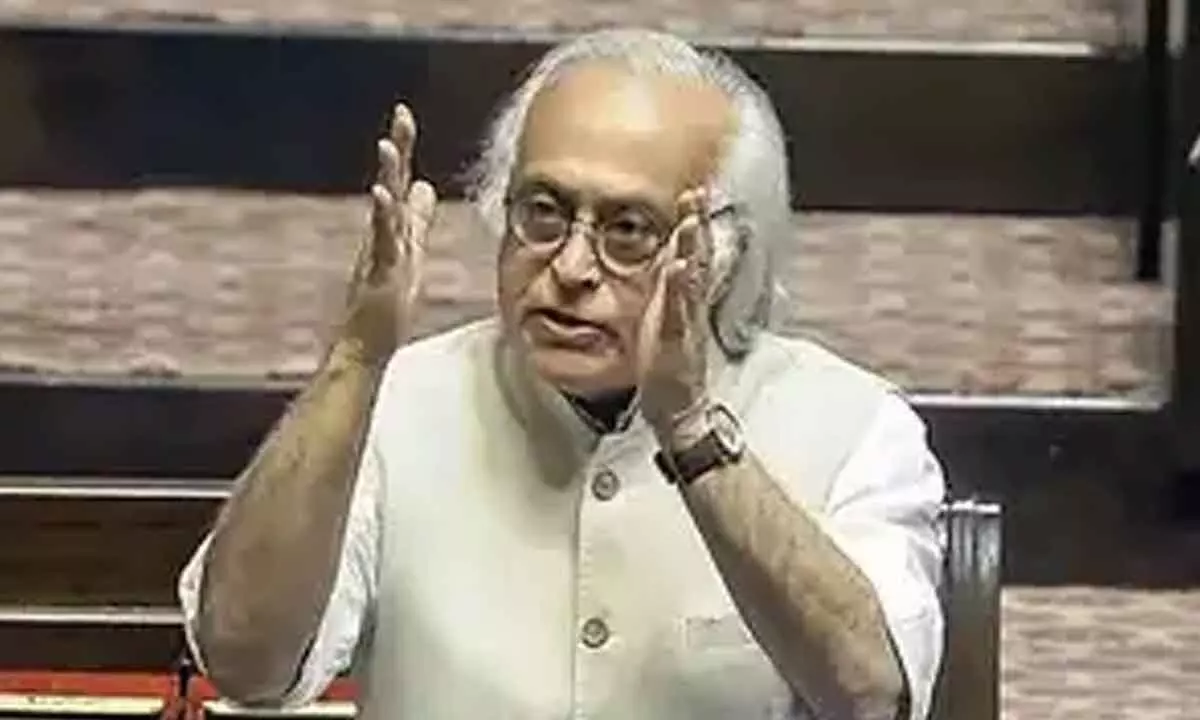
Congress leader Jairam Ramesh attacks PM Modi's meeting with Chinese President Xi Jinping, alleging weakness on terrorism stance and silence over China-Pakistan military cooperation during Operation Sindoor.
The Congress party has launched a sharp critique of Prime Minister Narendra Modi's diplomatic engagement with Chinese President Xi Jinping, characterizing the interaction as a display of weakness and capitulation to Beijing's regional ambitions.
Congress General Secretary Jairam Ramesh condemned Modi's approach during the Tianjin talks, particularly focusing on the Prime Minister's characterization of both India and China as victims of terrorism. Ramesh interpreted this stance as a fundamental shift from India's previous accusations regarding China's inconsistent position on counter-terrorism efforts and its alleged double standards in addressing regional security threats.
The opposition leader employed symbolic language to describe what he perceived as India's diplomatic retreat, suggesting that the interaction represented a capitulation by the metaphorical elephant before the dragon. This criticism centers on Modi's apparent softening of India's traditionally firm stance regarding Chinese policies and regional behavior patterns.
Ramesh's most pointed criticism addressed Modi's alleged silence regarding China's military cooperation with Pakistan during Operation Sindoor, which Indian Army officials had previously highlighted as a security concern. The Congress leader characterized this omission as particularly troubling, suggesting it demonstrated a failure to address critical national security issues during high-level diplomatic exchanges.
The opposition's attack referenced what Ramesh described as a pattern of providing "clean chits" to China, drawing parallels to previous diplomatic interactions that Congress views as insufficiently assertive. He specifically mentioned the June 19, 2020 engagement, suggesting that Modi's approach has consistently failed to adequately represent Indian interests in bilateral discussions with Beijing.
The criticism comes against the backdrop of Modi's historic visit to China for the 25th Shanghai Cooperation Organisation Summit, marking his first trip to the neighboring nation since the devastating 2020 Galwan Valley clashes that resulted in military casualties and severely strained bilateral relations. The four-year gap between high-level visits underscores the complexity of India-China diplomatic relations.
Foreign Secretary Vikram Misri provided official context for the diplomatic engagement, explaining that Modi emphasized the critical importance of border peace for maintaining stable bilateral relationships. Misri characterized border tranquility as an "insurance policy" for India-China ties, highlighting the government's position that boundary disputes significantly impact broader diplomatic cooperation.
The Modi-Xi meeting encompassed extensive discussions aimed at rebuilding bilateral ties that have remained under severe strain throughout the prolonged eastern Ladakh border standoff. The talks addressed multiple dimensions of the relationship while attempting to establish frameworks for managing ongoing disputes and preventing future escalations.
Congress's criticism reflects broader political tensions regarding India's foreign policy approach toward China, with opposition parties questioning whether the government maintains sufficient firmness in defending national interests. The party's characterization of the diplomatic engagement as "cowardly kowtowing" suggests fundamental disagreement with the administration's strategy for managing complex regional relationships.
The political controversy surrounding these diplomatic interactions highlights the challenges facing Indian foreign policy as it navigates relationships with major powers while addressing domestic political pressures. The Congress criticism underscores ongoing debates about appropriate diplomatic approaches when dealing with countries that pose both opportunities and security challenges.
The timing of these criticisms during Modi's China visit demonstrates the political sensitivity surrounding India-China relations and the domestic implications of high-level diplomatic engagements. The opposition's response indicates that foreign policy approaches toward China will likely remain a contentious issue in Indian political discourse.