Indian Army Considers Increasing Agniveer Retention Rate To 75% Ahead Of First Batch Completion

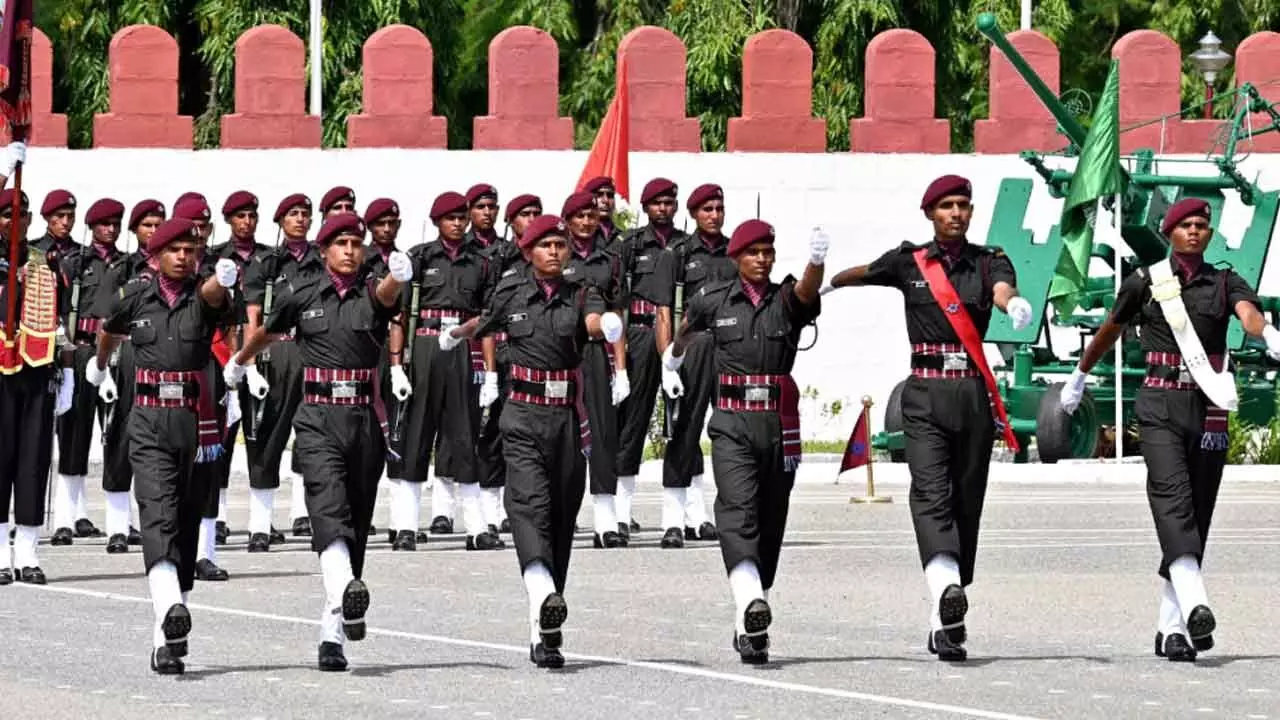
- The Indian Army is evaluating a proposal to retain up to 75% of Agniveers, a major shift from the existing 25% retention policy, as the first batch nears completion of its four-year term.
- The matter will be discussed during the Army Commanders Conference in Jaisalmer, alongside key initiatives for inter-service coordination and operational modernization.
The Indian Army is likely to deliberate on a major policy change to increase the retention rate of Agniveers—from 25% to as high as 75%—during the upcoming Army Commanders Conference in Jaisalmer on October 23 and 24. This move comes at a crucial juncture, as the first batch of Agniveers, inducted under the Agnipath recruitment scheme in 2022, is set to complete its four-year service term next year.
The Agnipath scheme, introduced to bring younger soldiers into the force and reduce the long-term pension burden, allows Agniveers to serve for four years, after which only 25% are currently eligible for permanent recruitment into the armed forces. However, with the program’s first cycle nearing completion, the Army leadership is reviewing its outcomes and considering whether expanding the retention percentage could strengthen operational readiness and maintain trained manpower.
Officials familiar with the matter suggest that raising the retention limit would not only ensure better utilization of trained Agniveers but also improve morale and continuity within units. The proposal is expected to be a key part of discussions during the conference, where top commanders will also assess initiatives aimed at greater jointness among the Army, Navy, and Air Force—a central goal of India’s ongoing military reforms.
Another major topic on the agenda is the review of Mission Sudarshan Chakra, an infrastructure development initiative designed to enhance the Army’s operational preparedness and logistics capabilities along sensitive border regions. Commanders will evaluate progress in upgrading facilities, integrating technology, and improving overall combat readiness.
The conference in Jaisalmer marks the second phase of the Army’s biannual deliberations, which bring together senior military leadership to set strategic priorities, address operational challenges, and evaluate ongoing reforms. The final decision on increasing Agniveer retention rates will depend on feasibility assessments, budgetary implications, and long-term manpower planning within the armed forces.
If approved, the change could mark a significant shift in the Agnipath scheme’s structure, balancing the government’s original intent of lean recruitment with the Army’s practical need for experienced soldiers in an evolving security environment.
Next Story