CM Revanth Reddy Reaffirms Commitment to 42% Reservations for Weaker Sections

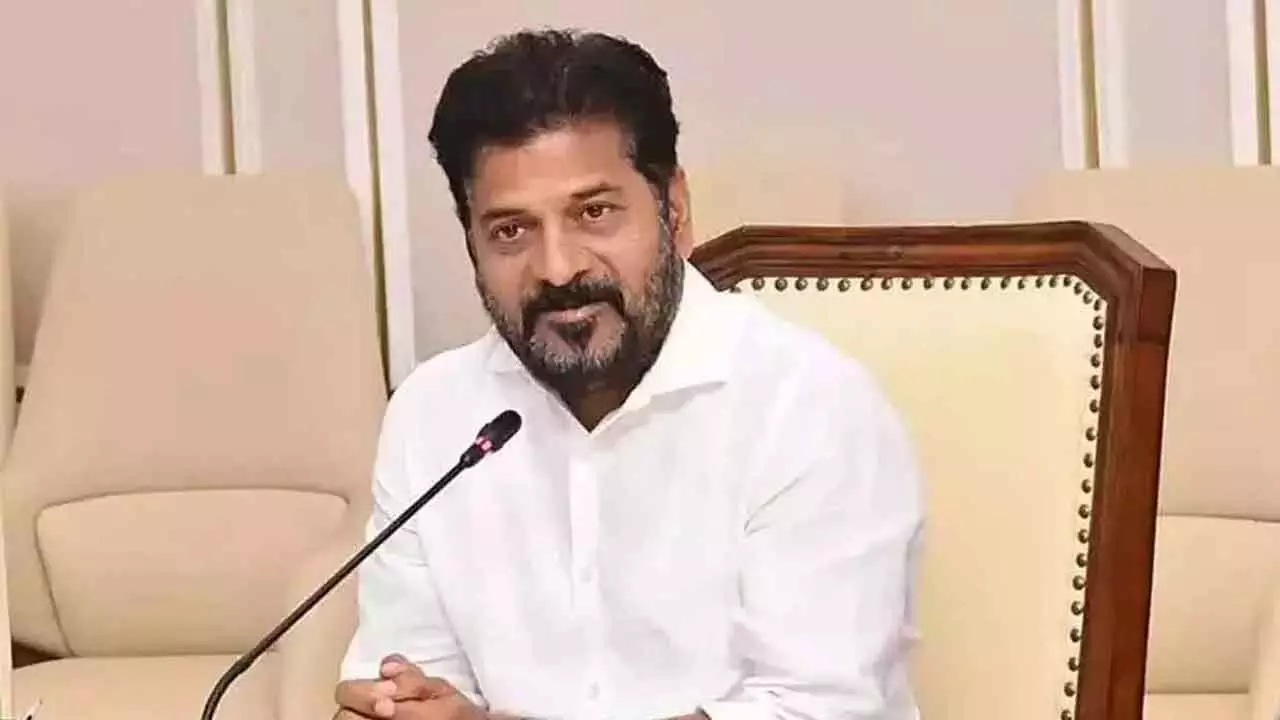
Telangana Chief Minister A. Revanth Reddy has reiterated his commitment to leading the struggle for 42% reservations for weaker sections until it is fully achieved.
Telangana Chief Minister A. Revanth Reddy has reiterated his commitment to leading the struggle for 42% reservations for weaker sections until it is fully achieved. He warned that opposing the caste survey, conducted with transparency and dedication by the state government, could severely harm the Backward Classes (BCs).
Speaking at a gathering organised by BC associations following the state legislature’s approval of a bill granting 42% reservations in education, employment, and politics, the Chief Minister emphasised the importance of caste enumeration in the national census.
Push for Caste Census in 2026
"We have passed a resolution in the state assembly demanding the inclusion of caste enumeration in the 2026 national census and have sent it to the central government. If we fight together, why can’t we achieve this? Telangana was formed through struggle, India gained independence through struggle, so why shouldn’t we fight for caste enumeration? Once caste data is collected in the national census, it will provide greater clarity every ten years," he stated.
A Milestone in Social Justice
Revanth Reddy hailed the state’s socio-economic, educational, employment, and political caste survey as a historic milestone. "We take pride in being part of this process. Opposing it will only harm the BCs. I will stand in full support of the struggle for weaker sections to secure their rightful place," he declared.
Emphasising the survey’s importance, he compared it to religious scriptures: "This caste enumeration is like the Bhagavad Gita, Bible, and Quran for everyone. Those who wish to exploit caste for political gain should not mislead the people."
The Chief Minister stressed that the survey lays a strong foundation for social justice and any attempt to hinder it would be a disservice to the weaker sections. "We must implement it first and make amendments as needed later," he concluded.
ReplyForward |